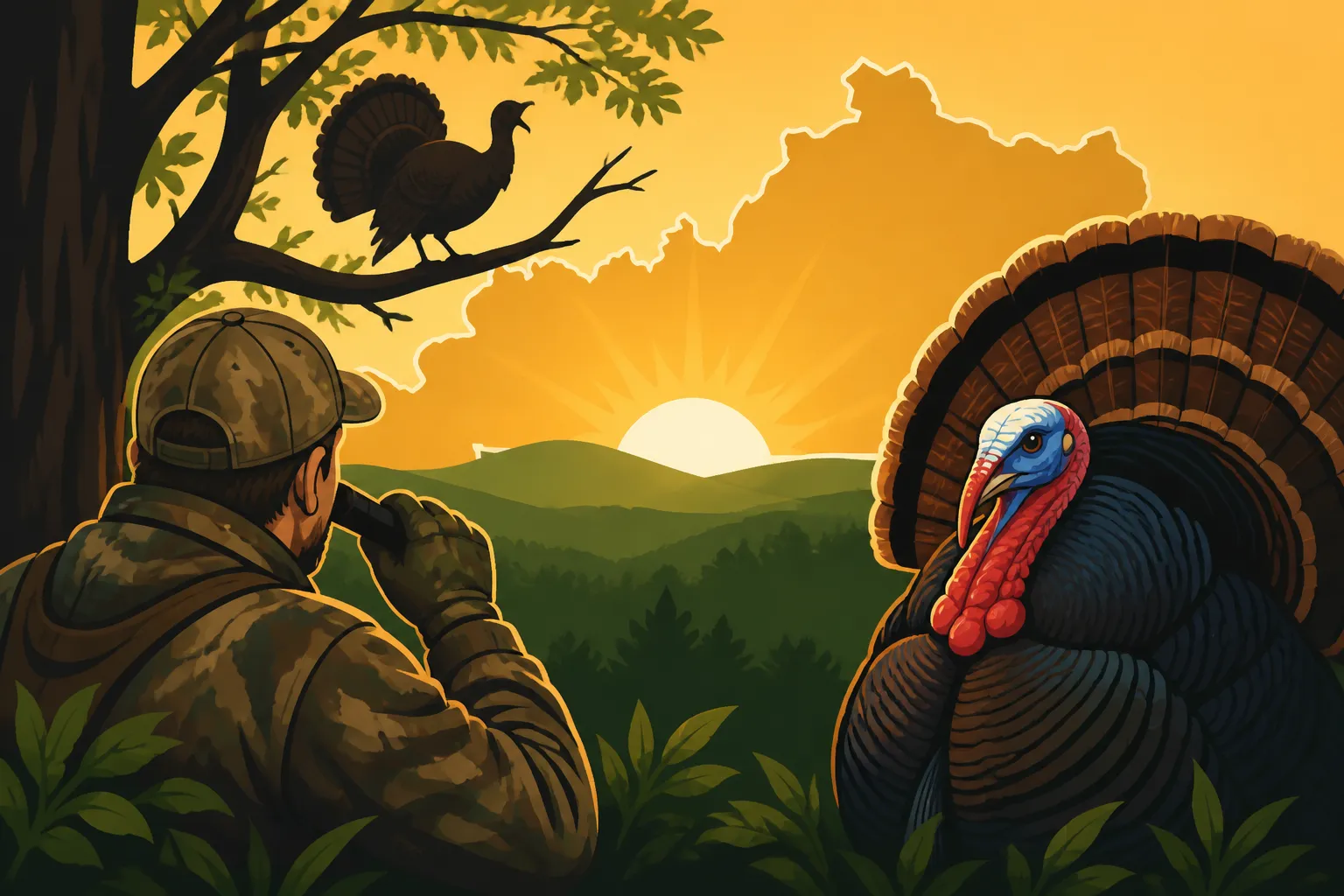
Calling a Kentucky Gobbler Off the Roost
There’s nothing quite as heart-stopping as the sound of a gobbler hammering from his roost tree just before dawn, but the real challenge begins when you try to convince him to fly down in your direction. So often, we get set up, we call, he gobbles his head off, and then… he flies down with his hens or pitches out the back of a ridge, leaving us scratching our heads. This guide is all about tackling that exact frustration, equipping you with the knowledge and tactics to consistently call a Kentucky gobbler off the roost and into your lap.
Pre-Dawn Preparation and Stealthy Positioning
Successfully calling a gobbler off the roost starts long before the first hint of daylight. It begins with diligent scouting and a strategic, silent approach. You can’t just stumble into the woods at the last minute and expect magic; these birds are smart, and they’ve heard it all.
Locating the Roost Tree Before Light
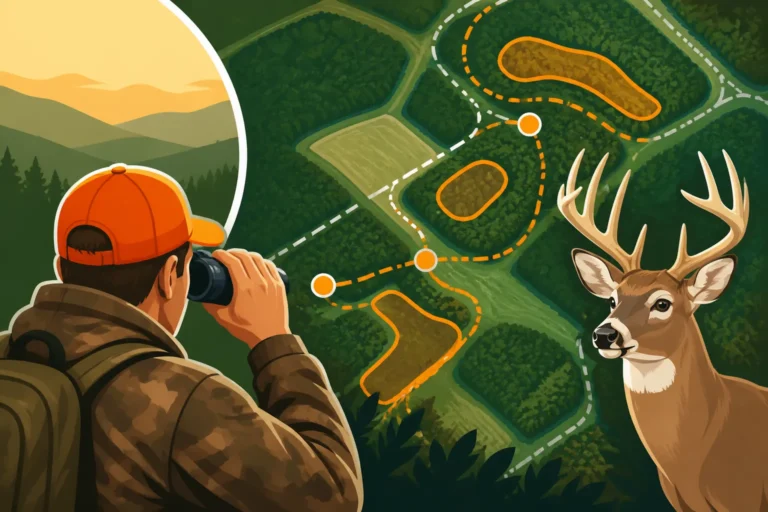
Finding where a gobbler roosts the evening before or listening intently during the predawn hours is paramount. Many seasoned hunters will spend an hour or two just before dark, trying to pinpoint gobblers as they fly up to their roost trees. Sometimes a simple crow call or owl hoot will get a shock gobble, revealing their location. Once you hear that tell-tale sound, make a mental note, or better yet, drop a pin on your mapping app like GoHunt. This intel is golden because it allows you to plan your morning approach with precision, minimizing unnecessary movement and noise. Knowing the exact tree, or at least the general area, can make all the difference in where you decide to set up.
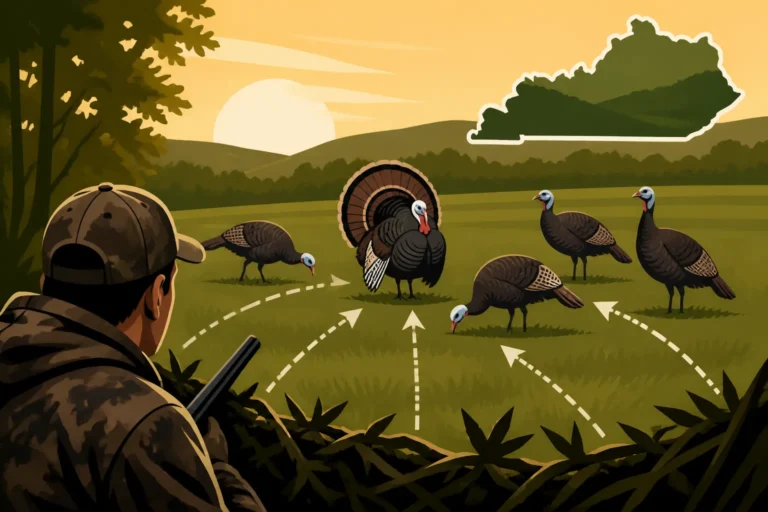
Understanding the terrain around that roost is equally important. Are there steep hollows, open fields, or thick creek bottoms? A gobbler will often fly down to the path of least resistance or where he feels safest joining his flock. For instance, a gobbler on a ridge might pitch into a saddle or a powerline cut. Observing these patterns during scouting can tell you a lot. It also helps to consider natural travel corridors they might use once on the ground. You want to place yourself in a position that intercepts his most likely fly-down path, rather than just hoping he comes straight to your calls.
Stealthy Approach and Optimal Setup Location
The approach to your chosen setup spot must be executed under the cover of darkness with absolute stealth. This means moving slowly, picking your footing carefully, and avoiding snapping twigs or rustling leaves. A bright headlamp can be a double-edged sword; use it sparingly and on a low red light setting if possible to avoid spooking any deer or other critters that might alert your gobbler. Your goal is to be in position, completely still and silent, at least 30-45 minutes before first light, or whenever you expect the gobbler to start sounding off.
Choosing the right setup spot means considering cover, visibility, and shooting lanes. You need to be hidden from the bird's keen eyesight, especially once he's on the ground. A big oak tree, a dense cedar thicket, or even a well-brushed-in ground blind can offer excellent concealment. Make sure you have clear shooting lanes in the direction you expect the gobbler to approach, but don't clear so much that you look out of place. Remember, these birds can pick out the slightest anomaly. Positioning yourself with a natural barrier behind you, like a rise in the terrain or a thick patch of timber, can also prevent a gobbler from circling around and spotting you from an unexpected angle. Sometimes, the best strategy is to set up where you believe he wants to fly down, rather than just where you want him to fly down.
The Art of the Wake-Up Call
Once you're in position, the real magic of calling begins. It's not just about making noise; it's about making the right noise at the right time, mimicking the subtle language of the woods to draw that gobbler into range.
When to Start Your Calling Sequence
The timing of your first calls is critical and can vary based on the specific gobbler and location. Generally, you want to start with very soft, subtle calls as the woods begin to lighten, often just after you hear the first natural sounds of songbirds waking up. Resist the urge to aggressively call the moment you're settled. Begin with a few soft tree yelps – sleepy, contented sounds that mimic a hen waking up on her roost. These are often enough to get a gobbler to shock gobble in response, letting you know he's heard you without overdoing it. A good starting point is usually 15-20 minutes before fly-down time, or when you begin to see outlines of trees.
Avoid loud, aggressive calling right out of the gate. A gobbler that hasn't even left his limb yet can be easily spooked or made suspicious by calls that are too enthusiastic. Think of it as waking someone up gently versus blasting an air horn. You're trying to convince him that there are desirable hens right where he should fly down. If he responds to your soft yelps, give him some space, maybe a few clucks and purrs, and then go quiet. Let him gobble naturally a few times. Sometimes, less is more, especially with a pressured bird that has heard every trick in the book. This softer approach can often be key on public land where birds are wary.
Matching the Mood of the Morning
The key to calling a gobbler off the roost is to adapt your calling to his mood and the situation. Is he gobbling aggressively and often? Or is he quieter, only responding occasionally? If he’s hammering every few minutes, you might increase your call volume and intensity slightly, perhaps adding a fly-down cackle (a series of loud, rapid yelps that simulate a hen flying down from her roost). This can sometimes tip him over the edge and convince him to pitch down. However, if he's only gobbling sparsely, stick with those soft, inviting tree yelps and clucks. You’re trying to pique his curiosity and suggest easy companionship, not challenge him or make him wary.
Another crucial aspect is knowing when to shut up. Many new hunters, and even some experienced ones, make the mistake of over-calling. Once a gobbler has responded and you know he's interested, go quiet for a bit. Let him wonder where you went. Often, he’ll gobble more frequently, trying to locate you. This can pull him off the limb and onto the ground in search of that "disappearing" hen. Silence can be a powerful call itself. Once he flies down, a few soft yelps or clucks might be all you need to seal the deal. Remember, he's going to come looking, and you want him to find an enticing scene. You can also vary your sounds and keep him interested without over-yelping.
| Time Relative to Fly-Down | Call Type | Description | Purpose |
|---|---|---|---|
| 45-30 mins Before | Scout/Locate | Owl hoot, crow call, listen for natural gobbles | Confirm roost location, get set up |
| 30-20 mins Before | Soft Tree Yelps | 2-3 soft, sleepy yelps, clucks. Low volume, infrequent. | Announce presence subtly, pique curiosity |
| 15-10 mins Before | Intermittent Yelps | 3-5 medium yelps, clucks, purrs. Slightly louder, more confident. | Keep interest, sound like waking hens, respond to his gobbles |
| At Fly-Down | Fly-down Cackle | Series of loud, rapid yelps followed by wing beats (if using a wing). | Simulate hens pitching off roost, entice him to join |
| After Fly-Down | Soft Clucks/Purrs | Very soft clucks, contented purrs. | Act like a contented hen, reassure him |
| Subsequent Calls | Yelps, Cuts, Gobbles | Vary based on his movement; aggressive cuts if he hangs up, light yelps if coming in. | Maintain interest, draw him closer, encourage him to break a hang-up |
Decoy Strategies and the Patience Game
Calling a gobbler off the roost is often a multi-sensory experience for the bird. While auditory cues are primary, visual stimulation from decoys can be the final piece of the puzzle, especially when dealing with reluctant gobblers.
Choosing the Right Decoy Spread and Placement
Decoys can be incredibly effective, but their placement is crucial. For a gobbler coming off the roost, a simple setup often works best: one or two hen decoys, perhaps with a submissive jake. The "love triangle" setup, where two hens are positioned a few feet apart and a jake is placed slightly behind them, can be a potent visual. Ensure the decoys are visible from the gobbler's likely fly-down path and positioned so that the gobbler will approach them (and thus you) from your shooting lanes. Ideally, place your decoys 20-30 yards from your position, giving him a focal point that keeps his attention off of you.
Consider the type of decoy as well. Full-strut tom decoys can be incredibly effective at drawing in dominant gobblers who want to assert their dominance, but they can also intimidate less aggressive birds or hang-up older, wiser gobblers. If you're hunting highly pressured public land, a simple hen or two might be less intimidating and more effective. Sometimes, having a jake decoy can trigger a territorial response, making a gobbler feel compelled to come in and run off the younger bird. However, remember to position your decoys into the wind if possible, as birds naturally land and approach into the wind. This subtle detail can make your setup seem much more realistic.
The Waiting Game After Fly-Down
The moments immediately after a gobbler flies down can be agonizing. He's on the ground, but he might still be with hens, or he might just be evaluating the situation. This is where patience truly becomes a virtue. Once he’s on the ground, resist the urge to call too aggressively. If he's already seen your decoys and is heading in your direction, go silent. Let him come. Often, a few soft clucks or purrs are all you need to reassure him that the hens are still there and content. If he hangs up, strutting just out of range, this is where you might need to try some subtle finessing.
One common frustration is when a gobbler flies down and immediately veers off with real hens. At this point, your best bet might be to try some "cutting" – sharp, aggressive yelps that mimic a hen trying to break up another flock. This can sometimes make him abandon his hens for yours. If that doesn't work, then a run-and-gun strategy may be your only option. But for birds that are interested but hesitant, maintaining quiet confidence is key. Remember, turkey hunting is often a test of patience, and the hunter who can sit still and let the bird work is often the one who finds success.
Troubleshooting and Advanced Tactics
Even with the best preparation, turkeys are wild animals, and they don't always read the script. Understanding how to react when things go wrong and having a few advanced tactics in your back pocket can turn a frustrating morning into a successful one.
Dealing with Hang-Ups and Circle-Arouds
A common scenario is the "hang-up" – a gobbler who flies down, comes to within 70-100 yards, and then stops, strutting and gobbling, refusing to come closer. He sees your decoys (if you're using them) or hears your calls, but for some reason, he just won't commit. This often happens because he expects the hen to come to him. In these situations, several tactics can be employed. Firstly, go silent. Completely. Let him gobble and strut, letting his ego take over. Often, if he thinks the hen is losing interest, he'll start to close the distance.
If silence doesn't work, try a very light, almost seductive series of soft clucks and purrs, mimicking a hen that's comfortable and not rushing. Another advanced tactic is to "mirror" his actions. If he gobbles aggressively, you might respond with a slightly more assertive series of cuts, as if challenging him or another hen. If he's just staring, try a simple, soft yelp as if you're just looking for company. Sometimes, a subtle movement on your part, like slowly reaching for a different call, might be enough to catch his eye and convince him you're a real bird. Another option is to consider crawling slightly closer, using terrain or thick cover, though this is very risky and should only be attempted if you have absolute confidence in your stealth and the terrain allows it.
Transitioning to a Run-and-Gun Approach
Sometimes, despite your best efforts, the gobbler flies down and immediately heads in the opposite direction, or he hangs up and eventually wanders off with real hens. When the roost setup completely fails, it's time to switch gears. Don't dwell on the missed opportunity; embrace the challenge. This means packing up your gear quickly and quietly, and moving.
The goal now is to relocate the bird or find another one entirely. Start by moving slowly in the direction you heard the gobbler go, or to another area where you've scouted birds. Use locator calls like an owl hoot, crow call, or even a coyote howl, every 150-200 yards as you move. These calls can often trigger a shock gobble from a distant bird without him associating the sound with a hen. Once you get a response, quickly but stealthily move to cut the distance, setting up quickly against a tree or in some natural cover. The run-and-gun method is about aggressive pursuit and making things happen rather than waiting. It's often highly effective on pressured public land, where birds are constantly on the move and less likely to respond to prolonged, stationary calling. Many hunters find success with this method throughout the season, not just after a failed roost attempt.
Disclaimer
Hunting is an inherently dangerous activity. Always prioritize safety, understand and follow all Kentucky hunting regulations, and ensure you have proper training and equipment. The information provided in this guide is for educational purposes and should not replace official safety courses or local game laws.