Coolers for an Early Archery Kill
There’s nothing quite like the thrill of an early archery season kill here in Kentucky, but let's be real: that joy can quickly turn to dread if you're not prepared for the inevitable heat. September and even early October mornings can be crisp, but by mid-day, those temperatures can soar, putting your hard-earned venison at serious risk. This guide is all about tackling that critical challenge head-on, ensuring your deer goes from the woods to the freezer in prime condition, regardless of the thermometer.
The Urgent Challenge of Early Season Heat on Your Harvest
Hitting a mature whitetail in early September or October is a fantastic feeling, but it comes with a major caveat: the heat. Unlike the frosty mornings of November or December, those warm, humid early fall days in Kentucky are a breeding ground for bacteria. Your venison can spoil rapidly if not handled correctly and quickly. This isn't just about losing some meat; it's about respecting the animal and the effort you put into the hunt. No one wants to waste a deer simply because the weather didn't cooperate.
Think about it: you make a clean shot, the buck drops within sight, and you're feeling on top of the world. But as you approach, you notice the flies already buzzing, and the air is thick and muggy. Every minute counts. The internal temperature of the deer's body, especially in the thickest parts of the hams and shoulders, holds heat for a long time. This heat, combined with external warmth, accelerates bacterial growth, leading to souring and spoilage. It's a race against time, and your primary tool in that race is a good cooler and a solid plan. It's why seasoned hunters always stress immediate and proper field dressing, even more so when the mercury is high. Don't underestimate the power of those warm temperatures to ruin your meat if you're not proactive. For more on extending your archery season, check out Bowhunting Kentucky's Long Archery Season.
Understanding Your Cooler Options for Game Meat
When it comes to preserving an early archery kill, not all coolers are created equal. You're not just looking for something to keep your sodas cold; you need a robust system capable of rapidly chilling and maintaining a low temperature for a significant amount of time. Investing in the right cooler is an investment in your venison, preventing the heartbreak of spoiled meat.
Rotomolded Coolers: The Gold Standard
These are the heavy-duty beasts you see advertised everywhere, often costing a pretty penny, but for good reason. Rotomolded coolers, like those from Yeti, RTIC, or Orca, are built with a seamless, single-piece construction that offers superior insulation and durability. They use pressure-injected insulation between thick walls, allowing them to hold ice for days, even in warm conditions. For an early archery kill, this extended ice retention is absolutely critical. You might be hunting public land miles from your truck or camp, and you need that cooler to perform for hours on end, keeping your quartered deer cold until you can get it to a butcher or into your own processing setup. They also tend to have excellent, leak-proof drain plugs, which are essential for flushing out bloody water and keeping your meat clean. While the initial cost can be higher, the peace of mind and the assurance of unspoiled meat make them a worthwhile investment for any serious hunter. Many hunters use resources like GoHunt to compare different gear options, including cooler specifications and user reviews, before making a significant purchase like this.
Insulated Bags and Soft-Sided Coolers: Flexible Alternatives
Sometimes, a massive rotomolded cooler just isn't practical. Maybe you're on a quick, close-to-the-truck hunt, or you need something lighter to carry. This is where high-quality insulated bags or soft-sided coolers come into play. Brands like Engel or even some heavier-duty versions from familiar names offer surprising insulation in a more flexible format. They won't hold ice as long as their hard-sided counterparts, but for quick trips, or for an initial carry out from a spot where you can quickly transfer to a larger cooler, they can be incredibly useful.
The key here is quality. Cheap insulated bags from the grocery store won't cut it. Look for thick insulation, robust zippers, and leak-proof liners. These can be great for carrying out backstraps and inner loins immediately after field dressing, giving you a head start on cooling those prime cuts while you work on the rest of the deer. They're also much easier to clean than you might imagine, and their portability makes them excellent for situations where you might be Packs for a Day on Public Land and need to keep your gear light.
Cooler Type Comparison for Early Archery Kills
Here's a quick rundown to help you decide which cooler type is best suited for various early season scenarios:
| Feature | Rotomolded Cooler | Insulated Soft Cooler / Bag |
|---|---|---|
| Ice Retention | Excellent (multiple days) | Good to Fair (hours to a full day) |
| Durability | Extremely High (bear-proof options available) | Moderate (puncture risk, zipper wear) |
| Portability | Low (heavy, bulky) | High (lighter, flexible, often shoulder straps) |
| Capacity | Very High (20-150+ quarts) | Moderate (10-40 quarts typically) |
| Cost Shape | Higher upfront investment | Moderate to lower |
| Best Use | Main processing cooler, camp storage, long hauls | Initial meat removal, short trips, small game |
| Cleanability | Easy (smooth interior, drain plug) | Good (wipeable liner, can be harder to drain fully) |
Field Dressing and Pre-Cooling Strategies Before the Cooler
The cooler is only one part of the equation. What you do before the meat ever touches the ice is equally, if not more, important, especially in warm weather. You've got to think proactively about removing heat from that animal as quickly as possible.
Immediate Field Dressing and Skinning
As soon as you find your deer, the clock starts. The absolute first step is to field dress it immediately. This removes the heat-generating internal organs, which are a major source of spoilage. Get those guts out! Beyond just removing the viscera, if circumstances allow and you're close to your vehicle or camp, skinning the deer in the field can make a huge difference. Skinning removes another layer of insulation, allowing the carcass to cool much faster. While skinning a whole deer in the field might not always be feasible on public land deep in the Daniel Boone National Forest Hunting, if you can do it, it will pay dividends.
Even if you can't completely skin it, open up the chest cavity as much as possible to maximize airflow and heat dissipation. Some hunters will even bring a small, clean cloth to wipe out any excess blood or stomach contents from the cavity. The goal is to get that internal temperature down to ambient air temperature, and then below, as rapidly as you can. This is a critical step that cannot be rushed or skipped. You can find more detailed advice on the process in Field Dressing a Deer in Cold Weather, even though you'll be adapting it to hotter conditions.
Quartering in the Field and Ice Slurry Preparation
For larger deer, or if you have a significant distance to pack out, quartering the animal in the field is often the best strategy. This breaks the deer down into manageable pieces – usually four quarters, the backstraps, tenderloins, and possibly the neck meat. Quartering allows for much faster cooling because you're exposing more surface area to the air and, subsequently, to your ice. This is particularly important for the hindquarters, which contain the largest muscle groups and hold heat the longest.
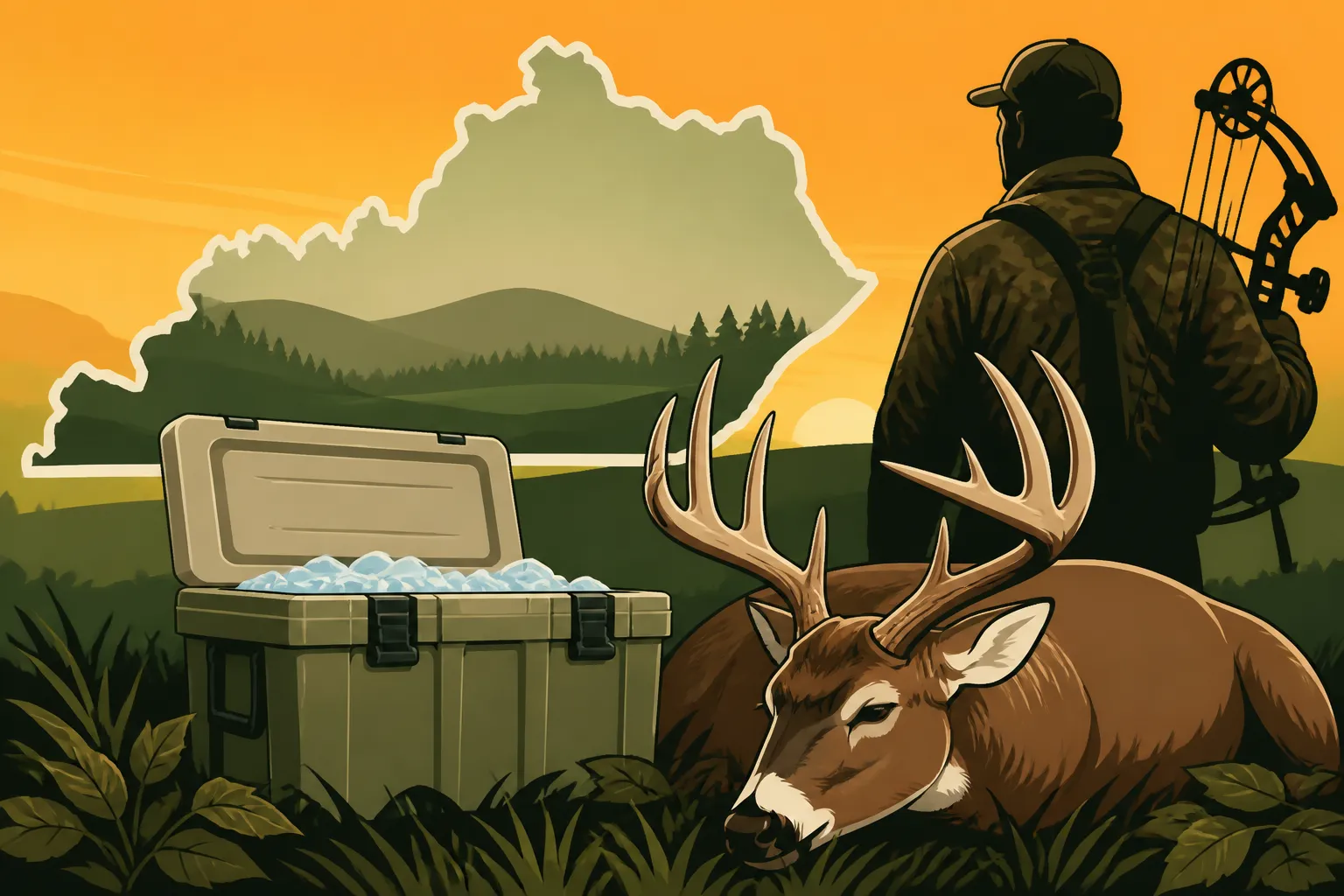
Once quartered, these pieces are ready for your pre-chilled cooler. Before you even head out to hunt, make sure your cooler is ready. Fill it with ice and a little water to create an "ice slurry" – a mix of ice and icy water. This slurry makes direct contact with all surfaces of the meat, drawing heat out much more efficiently than just ice cubes alone. Think about how a chef chills vegetables; it’s all about maximum surface contact with the cold. This ice slurry method is the fastest way to drop the core temperature of your venison and halt bacterial growth. Remember to keep the meat as clean as possible during quartering; use Game Bags for Warm September Days to protect the meat from dirt, leaves, and insects.
Packing and Transporting Your Harvest for Maximum Preservation
Once your deer is field dressed and potentially quartered, the real work of preservation moves to the cooler. Proper packing and transportation are vital to ensure that all your hard work in the field isn't undone on the drive home.
Layering, Drainage, and Cleanliness
When you place your quartered meat into the ice slurry, make sure there's plenty of ice making contact with every surface. Don't just dump meat on top of ice. Arrange the quarters so that they are submerged as much as possible in the icy water. If you have multiple quarters, layer them with ice in between. The cooler should be mostly ice and meat, with enough water to create that effective slurry.
As the ice melts, it will mix with blood and other fluids. This bloody water needs to be drained periodically, especially if you have a long drive or are storing the meat for a day or two before processing. Most quality rotomolded coolers have excellent drain plugs for this purpose. Draining and adding fresh ice helps keep the meat cleaner and prevents it from soaking in a pool of blood, which can contribute to off-flavors. Maintain a clean environment inside that cooler. GoHunt often highlights the importance of clean processing gear, and your cooler is the first step in that chain.
Transport Considerations and Extended Storage
For transport, secure your cooler so it doesn't slide around in your truck bed. A tumbling cooler can bruise meat and shift the ice, reducing its effectiveness. If you're driving a long distance, consider stopping to refresh the ice, especially if it's a particularly hot day. You want to maintain a constant, very low temperature.
Once you get home, the goal is to get the meat fully processed as soon as realistically possible. Ideally, within 24-48 hours, especially if temperatures remain high. If you need to store it for a few days before Butchering a Deer at Camp, ensure it remains on fresh ice, drained regularly, and stored in a cool place like a garage or basement. Some hunters even keep multiple coolers, rotating meat from a primary cooler into a second, freshly iced one if they need to extend the chilling time. This is especially true for hunters who might be trying a method like aging their venison in cold weather. Always prioritize getting that meat into a freezer as soon as you're able to process it. Remember, an early season kill doesn't offer the luxury of simply hanging a deer in a cold shed for days; active cooling is paramount.
Disclaimer
This article is for general informational purposes only and does not constitute professional advice. Laws, prices and regulations vary by location and change over time. Consult a qualified professional for guidance on your specific situation.