Bringing a First-Timer on a December Hunt
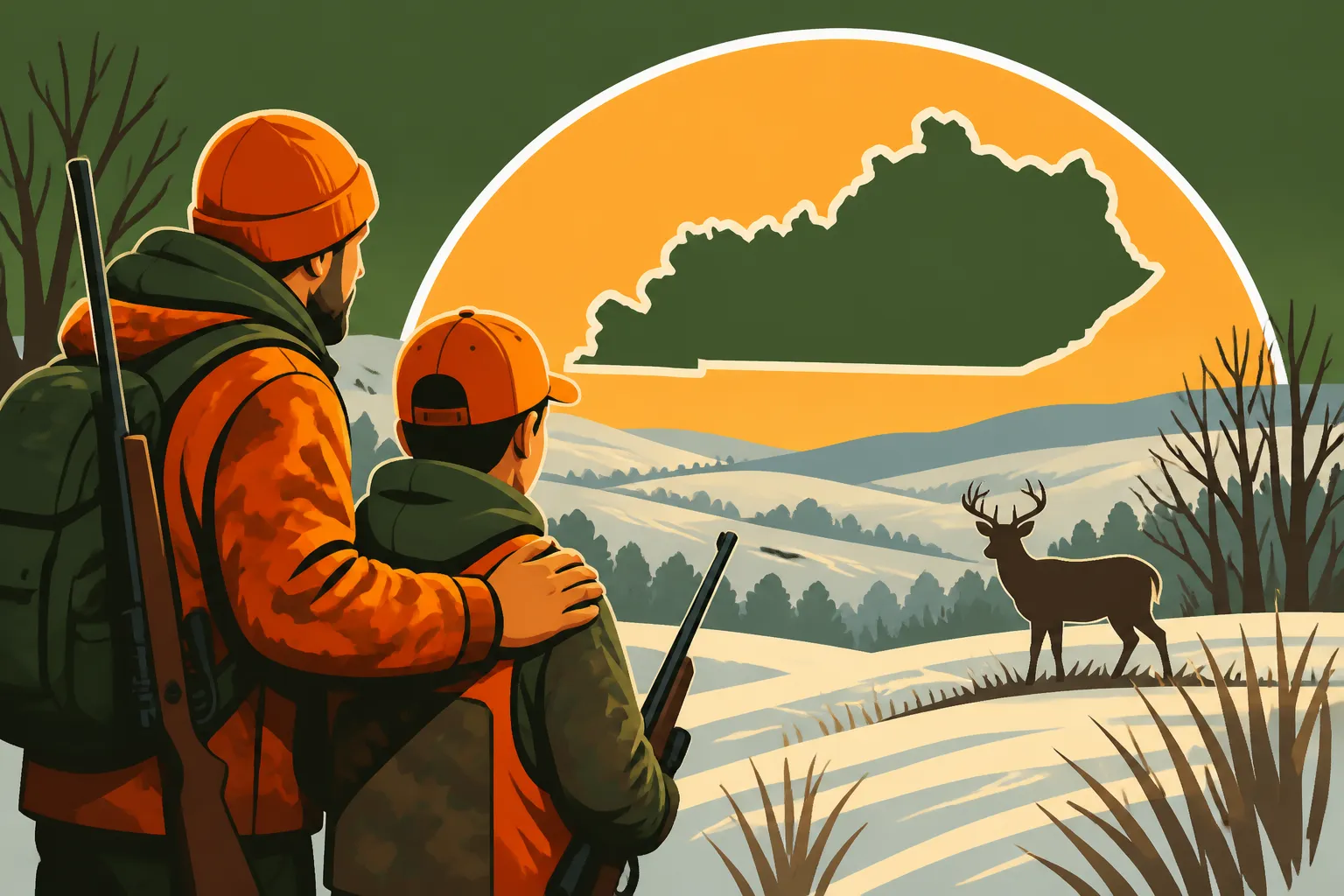
Bringing someone new into the world of hunting is a truly special experience, but let's be honest, asking them to brave the biting cold and sometimes scarce deer sign of a Kentucky December can feel like a tall order. Many experienced hunters hesitate, worried the discomfort will turn a potential new enthusiast off for good. This comprehensive guide is here to walk you through exactly how to make that late-season Kentucky hunt an enjoyable, educational, and ultimately positive memory for your first-timer, setting them up for a lifelong passion rather than a one-time shiver-fest.
Laying the Groundwork: Pre-Hunt Preparation and Education
Before you even think about stepping foot in the woods, the most critical phase of bringing a first-timer on a December hunt in Kentucky happens well before the dawn breaks on opening day. This isn't just about packing gear; it's about building a foundation of knowledge, comfort, and realistic expectations. Rushing this can lead to frustration and a miserable experience for everyone involved.
Hunter Education and Safety First
For anyone new to hunting, the absolute non-negotiable first step is completing a certified hunter education course. In Kentucky, anyone born on or after January 1, 1970, must carry a valid hunter education card or be exempt under the apprentice hunter exemption. Even if your first-timer falls under an exemption, or was born before the cutoff, the knowledge gained in these courses is invaluable. They cover firearm safety, wildlife identification, conservation principles, and ethical hunting practices – all foundational elements that can’t be skipped. Imagine a first-timer fumbling with a safety or unsure about identifying a legal buck; it’s a recipe for danger and disappointment. Make sure you fully understand Kentucky Hunter Education Requirements before getting started. This initial investment ensures they understand the gravity and responsibility of carrying a firearm or bow, and it instills confidence in their ability to handle themselves safely in the field, even with you by their side. It's not just a legal hurdle; it's a vital part of becoming a responsible hunter.
Understanding Kentucky Regulations and Late-Season Specifics
Kentucky's hunting regulations can feel like a thick novel to a newcomer, especially when navigating specific season dates, bag limits, and legal equipment. December in Kentucky means the statewide modern gun season might be over, but you're likely looking at the late muzzleloader season or the tail end of the archery/crossbow season. Each of these has distinct rules. For instance, if you're planning a black powder hunt, ensuring your first-timer understands the nuances of a muzzleloader for a Kentucky December hunt, from loading to misfires, is paramount. You need to clearly explain antlered versus antlerless deer regulations, what constitutes a legal harvest in your specific deer zone, and how to properly tag and telecheck a deer. Don't overwhelm them with the entire regulation book at once. Instead, focus specifically on the rules pertinent to your chosen December hunt, breaking them down into digestible pieces. Tools like the Kentucky Department of Fish and Wildlife Resources (KDFWR) website and apps like GoHunt can be incredibly helpful for quickly referencing specific rules and showing map overlays for zones and public land.
Mental Preparation and Realistic Expectations
Let's face it, hunting in December can be tough. The weather can be brutal, deer movement might be sporadic, and success is never guaranteed. This is where setting realistic expectations becomes crucial. You don't want your first-timer thinking they're going to bag a Boone and Crockett buck on their first sit. Talk openly about the challenges: the cold, the quiet, the potential for long hours with no deer sightings, and the importance of patience. Frame the experience as an adventure, a chance to connect with nature, learn about wildlife, and enjoy your company. Emphasize that the "hunt" is about so much more than the "kill." Maybe the goal is simply to stay warm and alert for a full two hours, or to identify three different types of squirrel chatter. By managing expectations from the outset, you prevent disappointment and allow them to appreciate the smaller victories and overall experience, even if they don't punch a tag.
Gearing Up for the Kentucky Cold: December Essentials
Kentucky winters, especially in December, are no joke. A cold, wet, or unprepared first-timer is a miserable first-timer. The right gear isn't just about comfort; it's about safety and ensuring they can focus on the hunt, not their shivering toes or numb fingers. This is where investing in or borrowing proper cold-weather essentials truly pays off.
Layering for Arctic Comfort: Cold Weather Clothing
The golden rule for December hunting in Kentucky is layering. Begin with a good moisture-wicking base layer – something that pulls sweat away from the skin. Synthetic materials or merino wool are excellent choices. Avoid cotton directly against the skin, as it retains moisture and will make them feel colder once they stop moving. Next, add an insulating mid-layer like fleece or a puffy down jacket. Finally, an outer layer that is waterproof and windproof is essential to battle unexpected rain, sleet, or biting gusts. Think about where you'll be hunting. If you're perched in a treestand, that wind can cut right through you. Don't forget the extremities! A warm hat that covers the ears, insulated gloves or mittens, and thick wool socks are crucial. Seriously, nothing ends a hunt faster than cold feet. Ensure they have quality, insulated boots for all-day sits in Kentucky. Consider hand warmers or foot warmers as well; these small additions can make a huge difference in comfort and morale during a long, cold sit. You might even have to loan them some of your own gear, as quality cold-weather hunting apparel can be a significant investment for a newcomer.
Essential Hunting Tools and Optics
Beyond clothing, a first-timer needs a few key tools to feel prepared and engaged. Good optics are fundamental. A decent pair of binoculars (8×42 or 10×42 are versatile options) allows them to scan the woods, spot distant deer, and observe wildlife without making unnecessary movements. Teach them how to properly use them, focusing on scanning techniques and identifying potential game versus stumps. A rangefinder is also incredibly helpful, especially if they're shooting a rifle or crossbow. Knowing the exact distance to a target is critical for ethical shot placement. For late-season hunts, a reliable headlamp is non-negotiable for walking in before dawn and especially for walking out after dark. A small backpack or day pack to carry snacks, water, extra layers, and small essentials is also important. This is where a platform like GoHunt can be invaluable before the hunt, allowing you to research and plan what gear might be most suitable for the specific terrain and conditions of your chosen hunting area. Don't forget the essentials for personal safety too: a whistle, a small first-aid kit, and a fully charged cell phone (with a portable charger) are always wise additions, particularly if you're venturing into more remote parts of Daniel Boone National Forest.
Muzzleloader and Crossbow Considerations
December in Kentucky often means hunters are relying on primitive weapons. If you're bringing a first-timer on a late muzzleloader hunt, ensuring they are familiar with the specific mechanics of loading, firing, and safely handling a black powder rifle is critical. This isn't like a modern cartridge rifle. The loading process is slower, and the shot can be louder with more smoke. Practice at the range is paramount. For crossbows, while often simpler to operate than a vertical bow, understanding the safety mechanisms, how to cock it quietly, and the importance of a clear shooting lane are still vital. Whether it's a muzzleloader or a crossbow, emphasize the importance of making an ethical shot. Discuss shot placement in detail, using diagrams or even a practice target to illustrate the vitals. The goal is a quick, clean harvest, and proper equipment handling is a huge part of that. Also, ensure they understand the specific rules regarding crossbow versus vertical bow in Kentucky, as regulations can sometimes differ based on the season.
| Item Type | Essential Gear for December Hunt | Why It's Crucial for a First-Timer |
|---|---|---|
| Clothing | Layered System (base, mid, outer) | Prevents hypothermia, allows adjustment to activity/temperature. |
| Insulated, Waterproof Boots | Cold, wet feet are miserable and can end a hunt prematurely. | |
| Warm Hat, Gloves/Mittens | Significant heat loss occurs from head and hands. | |
| Optics | Binoculars (8x or 10x) | Aids in spotting deer, observing wildlife, reduces unnecessary movement. |
| Rangefinder | Essential for accurate, ethical shot placement at varying distances. | |
| Safety/Comfort | Headlamp (with extra batteries) | Safe entry/exit in low light, crucial for tracking. |
| Small Backpack/Day Pack | Carries essentials: water, snacks, extra layers, first-aid. | |
| Hand Warmers | Boosts comfort and morale during long, cold sits. | |
| Weapon-Specific | Practice Rounds/Arrows | Builds confidence and proficiency before live hunting. |
| Cleaning Kit | Teaches proper maintenance and responsibility. |
Picking the Perfect Spot: December Hunting Locations
Kentucky in December often presents a unique hunting landscape. Many of the earlier season food sources, like acorns, might be depleted, and deer are heavily focused on remaining nutrition and thermal cover. Knowing where to look and what sign to scout for is key, especially when bringing someone new.
Public Land Versus Private Ground Options
For many Kentuckians, public land is the primary option, and we're fortunate to have some fantastic resources. Areas like Daniel Boone National Forest or various Wildlife Management Areas (WMAs) offer vast tracts of hunting opportunities. However, public land can also come with increased hunting pressure, particularly if you're near accessible roads. For a first-timer, this can be intimidating. If you have access to private land, this often offers a more controlled and potentially less pressured environment, which can be ideal for a newcomer to learn the ropes. If public land is your only option, focus on finding ground others walk past. This might mean hiking further off the beaten path or utilizing mapping tools from GoHunt or similar apps to identify less obvious access points. Regardless of the land type, always confirm any specific WMA permit requirements or private land permissions well in advance. Understanding Kentucky WMA Permit Requirement is a good first step.
Reading Winter Sign and Deer Movement
In December, deer movement patterns shift significantly. Their primary drivers are food, water, and thermal cover. Look for areas where these three elements converge. Scrapes and rubs from the rut might still be visible, but they're likely older and less actively used. Instead, concentrate on fresh tracks, droppings, and browsed vegetation. Deer will often be feeding on late-season food sources for Kentucky whitetails like leftover agricultural crops (if you're hunting farmland), specific types of browse, or even some mast if it's still available. They'll bed in thickets, cedar stands, or south-facing slopes that offer protection from the wind and capture warmth from the sun. Learn to read Kentucky mud for fresh deer movement; knowing the difference between fresh tracks and old ones is crucial. Pay close attention to transition areas – where different habitat types meet, like a hardwood ridge dropping into a pine thicket, or a field edge bordering a creek bottom. These funnels are natural travel corridors for deer moving between bedding and feeding areas.
Focusing on Late-Season Food Sources
As mentioned, food becomes paramount for deer in December. If you're hunting near agricultural fields, scout for standing corn, beans, or winter wheat plots that haven't been harvested or have been intentionally left for wildlife. These are calorie-dense and will draw deer, especially during cold snaps. In timbered areas, look for mast crops that might still be present, though often scarce this late in the year. Overlooked white oak acorns, for example, can be a gold mine. Beyond traditional food sources, deer will turn to various types of browse. Identify common browse species in your area and look for signs of heavy feeding. Creek bottoms with abundant greenbriar or honeysuckle can be magnets. Using aerial photos and topographical maps (which mapping features in GoHunt excel at) to identify potential food sources, thick bedding areas, and likely travel corridors before you even step foot in the woods can save you a lot of aimless wandering and increase your chances of finding deer sign. This pre-scouting is also a great activity to involve your first-timer in, teaching them how to interpret maps and terrain.
Learning in the Field: In-the-Field Tactics for First-Timers
Once you're actually in the woods with your first-timer, the focus shifts to direct experience and hands-on learning. This is where patience, good communication, and adapting your hunting style become absolutely essential. Remember, it’s about their experience, not necessarily your trophy.
Still-Hunting and Stand Hunting Strategies
For a first-timer, a comfortable, safe stand hunt is often the best introduction. This allows them to settle in, observe, and learn without the added complexity of quiet movement. Choose a treestand setup in Daniel Boone National Forest or a ground blind that offers good visibility but also good cover. Make sure it's secure, comfortable, and warm. A two-person ladder stand or a roomy ground blind with a heater (if safe and permissible) can make a world of difference. Explain the importance of scent control, remaining still, and scanning the woods effectively. Practice whispering about what you're seeing – a squirrel, a bird, the way the wind is shifting. For a more active approach, particularly if conditions are mild or deer are moving in specific patterns, a slow, methodical still-hunt can be engaging. Teach them how to walk silently, stop and scan, and identify deer sign as you go. This is a great way to cover ground and educate them on how to read the landscape. However, be prepared to scale back if they get cold or tired; an uncomfortable first hunt can be a last hunt. Focus on a cold-weather sitting strategy in Kentucky that maximizes comfort.
Ethical Shot Placement and Tracking Essentials
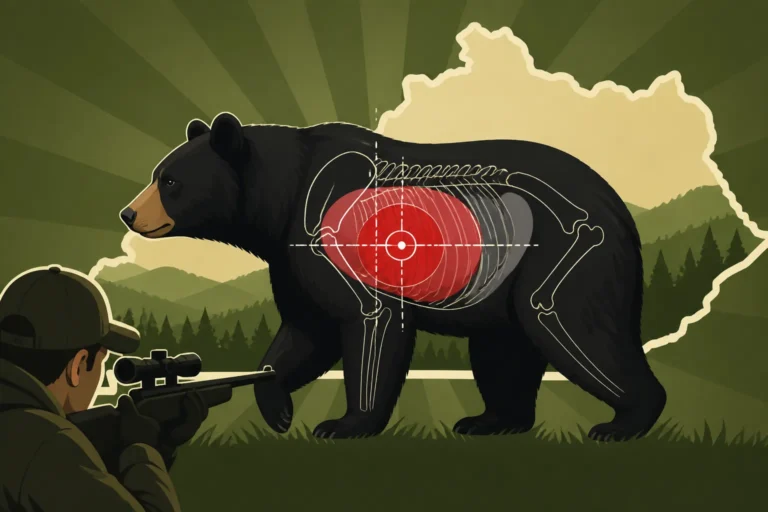
This is arguably the most critical teaching moment in the field. Before any deer appears, review shot placement thoroughly. Use a small deer target or even a picture on your phone to point out the vital organs and the ideal zone for a clean, ethical shot. Emphasize patience: waiting for the deer to be broadside, or slightly quartering away, and ensuring a clear, unobstructed shot. Stress that it’s always okay to pass on a shot if they don’t feel confident. After a shot is taken, don't immediately rush in. Teach them the importance of waiting a minimum of 30 minutes (or longer for a marginal hit) to allow the deer to lie down. Then, begin the tracking process together. Show them how to look for blood, hair, bone fragments, and tracks. Teach them to follow the easiest sign and to mark the last known blood trail. If you're in an area with thick leaf litter or snow, tracking a deer through Kentucky leaf litter can be challenging, but it's a vital skill. This process can be incredibly educational, even if the deer isn't recovered, as it teaches responsibility and persistence.
Communication and Field Etiquette
Effective communication is key to a successful and enjoyable mentored hunt. Establish clear signals for when to whisper, when to be absolutely silent, and how to communicate about deer sightings. Before you even get to your stand, discuss field etiquette: no sudden movements, avoid unnecessary noise, and always prioritize safety. Teach them to appreciate the quiet, observe other wildlife, and absorb the natural surroundings. It's a fantastic opportunity to discuss conservation, wildlife management, and the role hunters play in it. If you encounter other hunters on public land, show them how to be courteous and respectful, giving them ample space. This isn't just about hunting; it's about being a good steward of the land and a respectful member of the hunting community. Share stories of your own experiences, successes, and even failures. These personal anecdotes build camaraderie and make the experience more relatable and memorable for a first-timer. These moments contribute to Kentucky deer camp traditions, even if it's just two of you.
Beyond the Shot: Post-Harvest Mentorship
Assuming your first-timer successfully harvests a deer, the mentorship doesn't end with the shot. In fact, some of the most profound lessons and bonding experiences happen after the deer is on the ground. This is where they learn about responsibility, respect for the animal, and the practicalities of harvesting game.
Field Dressing and Meat Care in Cold Weather
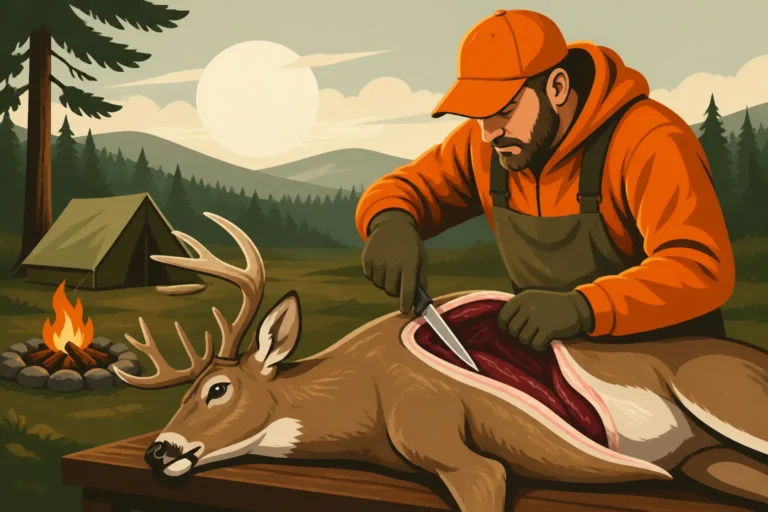
For many first-timers, the idea of field dressing an animal can be daunting, or even a bit unsettling. Approach this step with calmness and confidence. Walk them through each cut, explaining its purpose. Emphasize hygiene and efficiency. December's cold weather is actually a huge advantage here, as it helps cool the meat quickly, but you still need to be efficient. Show them how to properly gut the deer, how to handle the internal organs respectfully, and how to prepare the carcass for transport. Involve them as much as they're comfortable with, even if it's just holding a leg or handing you a knife. You can teach them the proper way of field dressing a deer in cold weather. Explain the importance of getting the animal cooled down to preserve the meat. Discuss the process of dragging a deer out of a steep hollow if you're in Eastern Kentucky, or using a deer cart on flatter terrain. This hands-on experience transforms the abstract concept of "getting meat" into a tangible, respectful process.
Celebration, Reflection, and Future Hunts
Whether a deer is harvested or not, take time to celebrate the experience. If they did get a deer, it's a huge milestone. Congratulate them wholeheartedly. Reflect on the entire day – the cold, the patience, the deer sightings (or lack thereof), the shot, and the field dressing. Ask them what they learned, what they enjoyed, and what they found challenging. This is also the time to telecheck the deer properly, teaching them how to report a deer through Kentucky Telecheck, another crucial step in responsible hunting. This reflective period solidifies the memories and reinforces the lessons learned. Most importantly, use this opportunity to talk about future hunts. Maybe next year you'll try spring turkey hunting in Kentucky, or perhaps they'd like to learn about shed hunting on Kentucky public land in the late winter. The goal is to keep the spark alive, to foster a desire for more outdoor adventures, and to cement their place within the hunting community.
Cultivating a Lifelong Passion: Managing Expectations and Enthusiasm
Bringing a first-timer on a hunt, especially a challenging December one, is less about achieving immediate success and more about nurturing a nascent interest. It's about planting seeds for a lifelong love of the outdoors and the tradition of hunting.
Setting Realistic Goals Beyond the Harvest
As mentors, we often get caught up in the "kill." But for a first-timer, particularly in the late season, the goal should be much broader. Set simple, achievable non-harvest goals. Maybe it’s staying warm for a certain amount of time, identifying a specific bird call, understanding how wind and thermals on a Kentucky ridge affect deer movement, or recognizing distinct deer sign. Focus on the process, not just the outcome. Each small success—identifying a track, sitting quietly for an hour, or making a perfect grunt call—builds confidence and a sense of accomplishment. This shift in perspective ensures that even on days when deer are scarce, the experience remains positive and enriching. It validates their presence in the woods and celebrates their learning journey.
Embracing the Challenge and the Outdoors
Hunting, by its very nature, is challenging. December hunting amplifies that. Teach your first-timer to embrace the discomfort and the unpredictability. Show them how to find beauty in the stark winter landscape, the quiet solitude, and the raw connection to nature. This isn't just about bagging an animal; it's about understanding ecosystems, tracking animals, and developing resilience. Share stories of your own tough hunts, the lessons you learned from failure, and why you keep going back. This realism helps them understand that the challenges are part of the allure, not a reason to quit. It transforms potential frustration into character-building experiences.
Fostering a Lasting Love for Hunting and Conservation
Ultimately, your role is to foster a lasting love for hunting, outdoor stewardship, and conservation. Talk about where their meat comes from, the nutritional benefits of venison, and how hunters contribute to wildlife management in Kentucky. Emphasize the importance of ethical hunting and respecting the game and the land. Consider other outdoor activities you can introduce them to in the off-season, such as scouting Kentucky public land before season, fishing, or even just hiking. The more positive experiences they have in the outdoors, the stronger their connection will be. A first-timer's December hunt might not yield a trophy, but if it ignites a spark of passion, instills respect, and creates a desire to return to the wild, then you've achieved something far more valuable than any rack.
Disclaimer
Always consult the official Kentucky Department of Fish and Wildlife Resources (KDFWR) regulations before engaging in any hunting activities. Regulations can change annually, and it is the hunter's responsibility to be aware of and comply with all current laws and safety guidelines.