Saddle Hunting in Kentucky Hardwoods
There's nothing quite like the challenge and reward of hunting Kentucky's diverse landscape, from the steep, rugged hollers of Eastern Kentucky to the rolling timber of the Bluegrass region. But let's be honest, lugging a bulky traditional treestand and all your gear into those remote, often unforgiving spots can be a real pain, limiting your adaptability and sometimes even blowing your hunt before it truly begins. This guide is all about embracing a different, more flexible approach: saddle hunting, which offers unparalleled mobility and a whole new way to connect with the wild Kentucky hardwoods.
Why Saddle Hunting Shines in Kentucky Hardwoods
Kentucky's forests, whether you're in Daniel Boone National Forest or a small private woodlot, present unique challenges. Dense undergrowth, towering oaks and hickories, and often unpredictable terrain make traditional treestand hunting a labor-intensive affair. This is where saddle hunting truly shines, offering a lightweight, adaptable, and stealthy alternative that can transform your hunting experience.
Unparalleled Mobility and Adaptability
One of the biggest frustrations with traditional stands is their weight and bulk. You often find yourself committing to a stand location long before the season, or worse, making a ruckus trying to hang one on a scouting trip or before an early morning hunt. Saddle hunting throws that old script out the window. A typical saddle setup—the saddle itself, a lineman's belt, a tether, and a few climbing sticks—weighs significantly less than most hang-on or climber stands. This reduced weight means you can go deeper into public land, access those hard-to-reach ridges and creek bottoms, and set up quickly and quietly.
Imagine you've been scouting with a tool like GoHunt, marking potential bedding areas or travel corridors in a new section of woods. You arrive on an unseasonably warm November morning and realize the wind has unexpectedly shifted, making your pre-set stand location a bust. With a saddle, instead of packing up and heading home defeated, you can easily move to a new tree a few hundred yards away, adjusting your entry and exit routes to account for the fickle Wind and Thermals on a Kentucky Ridge. This adaptability isn't just a luxury; it's a strategic advantage, especially during crucial times like Hunting the Rut in Early November when deer movement is highly dynamic. You're no longer married to a single tree; you're free to hunt the deer where they are, not just where your stand is.
Maximizing Cover and Shot Opportunities
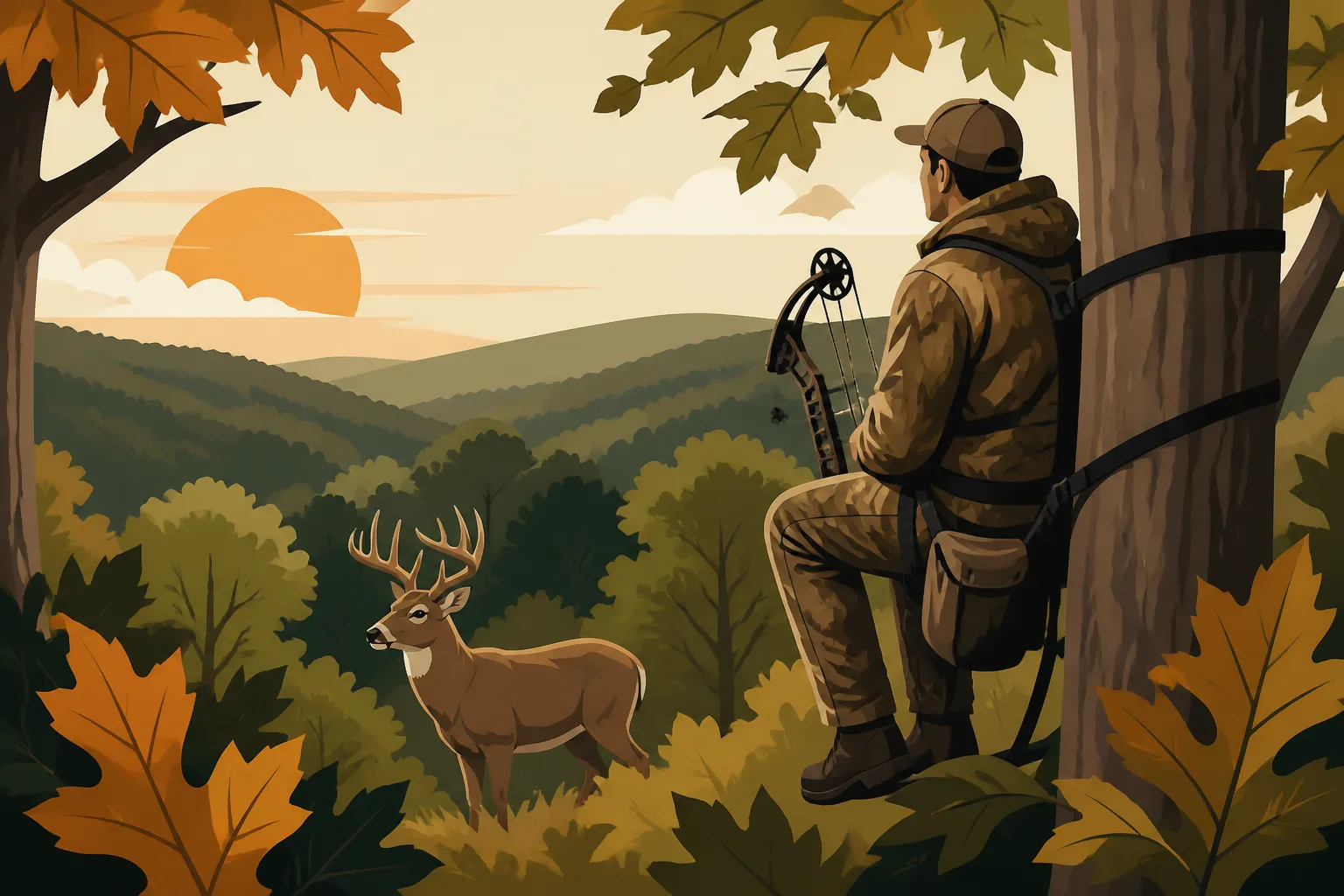
Traditional stands often position you high and exposed, relying on height to get above a deer's line of sight. While effective, it can also limit your shot angles and make you feel like a giant silhouette in the canopy. Saddle hunting changes this by allowing you to "hunt around" the tree. Instead of facing outward, you can use the tree trunk as natural cover, shifting your position around it as a deer approaches. This means you can keep that big old buck from ever pinpointing your exact location.
Think about a common scenario in the dense Kentucky timber: a mature buck is easing through a thicket, wary and alert. From a traditional stand, you might be frozen, hoping he doesn't spot your silhouette against the sky. With a saddle, you can simply rotate around the tree, keeping the trunk between you and the approaching deer until the moment you need to draw. This allows for incredibly fluid movement, often presenting better shot angles that traditional stands simply can't offer. You can shoot comfortably from either side of the tree, giving you 360-degree coverage, which is invaluable in a dynamic hunting situation.
Comfort for Longer Sits
Now, I know what some of you are thinking: "A saddle? That looks terribly uncomfortable for a long sit!" And while it does have a learning curve, many saddle hunters actually find them more comfortable for extended periods than traditional stands. The key lies in the hammock-like design that distributes your weight across your hips and rear, rather than concentrating it on a small seat. This reduces pressure points and allows for subtle adjustments and shifts throughout the day, preventing that numbing sensation you often get in a traditional seat.
Imagine a chilly late-season sit, during Hunting the Late-Season January Lull, when deer activity might be sporadic, requiring you to be patient for hours. With a saddle, you can lean into the tree, sit in a relaxed position, or even stand and stretch your legs without leaving your elevated position. The ability to vary your posture significantly boosts comfort. You can also customize your saddle setup with various bridge lengths, backbands, and knee pads to find what works best for your body and preferred hunting style. This comfort translates directly to increased endurance, allowing you to stay on stand longer, especially during those critical hours when a mature buck might finally decide to make an appearance.
Essential Gear for Your Kentucky Saddle Setup
Venturing into saddle hunting means rethinking some of your gear, but the core principles of safety and efficiency remain paramount. Building the right setup for Kentucky's terrain will make all the difference in your experience.
The Saddle and Its Components
At the heart of it all is the saddle itself. This isn't just a climbing harness; it's a specialized piece of hunting equipment designed for comfort, safety, and silent operation. Saddles come in various designs, from minimalist models to those with more padding and features. It's crucial to find one that fits your body comfortably and allows for a full range of motion.
Your saddle system will also include:
- Lineman's Belt: This short strap allows you to safely ascend and descend the tree, keeping both hands free for climbing sticks. It wraps around the tree, clipping to loops on either side of your saddle.
- Tether: Once you're at hunting height, the tether is your primary safety connection to the tree. It usually attaches to the front of your saddle and wraps around the tree trunk, securing you in place. Many come with a small rope grab or similar adjustment mechanism.
- Bridge: This is the connection point between your saddle and the tether. It's often a piece of rope or webbing that allows you to adjust your distance from the tree, giving you flexibility for drawing your bow or swinging around for a shot. Different lengths and materials can impact comfort and mobility.
Choosing these components requires careful consideration. You want durable, quiet materials that can withstand the elements you'll encounter in Kentucky's fall and winter. Spending a little extra on quality components is an investment in your safety and enjoyment. Always double-check ratings and ensure all your gear meets safety standards.
Climbing Methods for Hardwood Giants
Getting up the tree is half the battle, and saddle hunting offers several efficient and quiet ways to do it. Unlike cumbersome climbing stands, these methods are often lighter and more versatile, adapting to a wider range of trees found in Kentucky's forests.
| Climbing Method | Pros | Cons | Ideal Use Case |
|---|---|---|---|
| Climbing Sticks | Lightweight, compact, adaptable to varied trees, very quiet | Can be time-consuming to set up multiple sticks, some models are pricey | Mobile hunting, public land, varied tree sizes |
| Stealth Strips | Extremely lightweight and compact, can be used on difficult trees | Steeper learning curve, requires good foot placement, slower ascent | Minimalist setup, deep public land, uneven trees |
| Rope Access Methods | Very quiet, minimal gear, ultimate adaptability | Highest learning curve, requires extensive practice and skill, specialized knots | Advanced users, specific high-access needs, technical terrain |
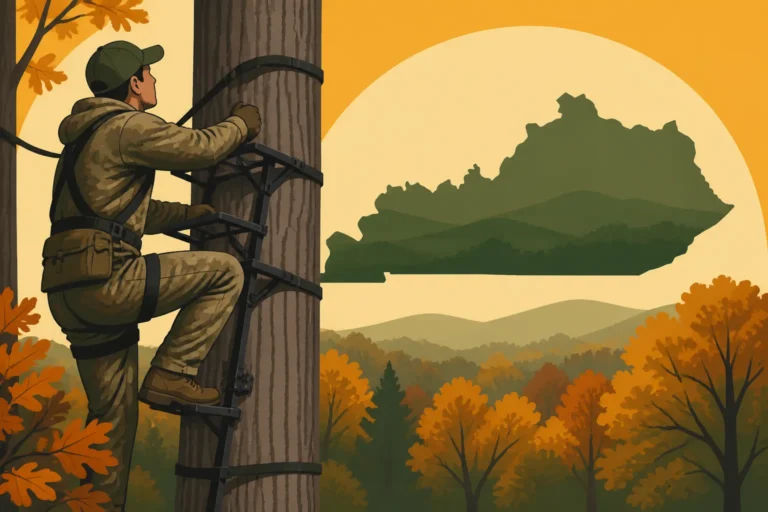
For most Kentucky hunters, Climbing Sticks for Kentucky Hardwoods are the go-to choice. They are efficient, relatively easy to use, and attach securely to the tree. Some popular options feature single or double steps, and you can stack them for transport. Using a lineman's belt with climbing sticks allows you to always be safely secured to the tree as you work your way up. Another option gaining popularity, particularly for those looking for the ultimate minimalist setup, is the use of "stealth strips" or "mini-sticks" combined with an aider. These allow you to reach surprising heights with minimal gear, though they do require more practice to master. Remember, the goal is a quiet and secure ascent, crucial for not alerting game in a quiet hardwood forest.
Accessories for Enhanced Hunting
While the saddle and climbing method are core, a few well-chosen accessories can significantly enhance your saddle hunting experience in Kentucky. These are often small, lightweight additions that make a big difference in comfort, organization, and efficiency.
- Platform/Steps: Once at hunting height, many saddle hunters use a small platform or a set of extra steps to give them a wider, more stable area to stand or lean against. This enhances comfort and provides a solid base for shooting. These platforms often attach directly to the tree below your tether.
- Gear Hangers/Hooks: Keeping your bow, backpack, and other essentials within easy reach is vital. Small, lightweight gear hangers or screw-in hooks (check WMA rules for screw-in restrictions) are indispensable for organized hunting. Consider systems that clip directly to your saddle or tether for quick access to calls, rangefinders, or binoculars.
- Haul Line: A simple haul line is absolutely essential. You'll use this to pull up your bow, backpack, and any other heavy gear once you're safely secured in your saddle. Never climb with your bow or heavy pack strapped to your back; it's a safety hazard and a recipe for noise.
- Knee Pads/Backband: For added comfort, especially during longer sits, many saddle hunters incorporate knee pads or a flexible backband. These reduce pressure points and allow for a more relaxed posture, making those hours on stand much more bearable.
When considering accessories, always think about weight and noise. Every piece of gear you carry needs to earn its spot in your pack. Using a quality hunting pack, like those designed for a Packs for a Daniel Boone Forest Day Hunt, can help organize these smaller items and keep them from clanking around.
Mastering Saddle Hunting Techniques in Kentucky's Terrain
Saddle hunting isn't just about the gear; it's a mindset and a set of techniques tailored for maximum stealth and adaptability. Kentucky's diverse terrain, from steep ridges to dense creek bottoms, demands a strategic approach to tree selection, climbing, and shot execution.
Scouting and Tree Selection
Effective saddle hunting begins long before you ever step into the woods with your gear. It starts with meticulous scouting. Because you're no longer limited to trees that can accommodate a specific stand type, your options for setup locations open up dramatically. You can hunt skinny trees, crooked trees, or even multi-trunk trees that would be impossible with a traditional stand. This is where tools like GoHunt really shine, allowing you to Reading Aerial Photos for Eastern Kentucky Deer to identify potential pinch points, saddles, and creek crossings that might hold deer.
When on the ground, focus on identifying travel corridors, fresh sign, and rub/scrape lines. With saddle hunting, you're looking for the best tree in the best spot, not just any tree.
Consider these factors when selecting a tree:
- Cover: Does the tree offer good visual cover from multiple angles, ideally with branches or other vegetation to break up your outline? Don't just think about height; think about concealment.
- Diameter: While you can hunt smaller trees, one that offers enough width to comfortably move around while remaining concealed is ideal. Too small, and your movements are easily spotted; too large, and your tether might not reach or you'll be too far from the trunk.
- Height: Aim for a height that gives you a good vantage point but still allows for natural cover. Often, 15-25 feet is sufficient in many Kentucky hardwoods.
- Shot Lanes: Visualize potential shot opportunities in all directions. Are there clear lanes through the canopy and understory? You can always trim a few small branches, but avoid making major modifications, especially on public land.
- Entry/Exit: This is paramount. Can you get to and from your chosen tree without busting deer? Consider Finding Ground Others Walk Past by using terrain features or thick cover to mask your approach.
Remember to Scouting Kentucky Public Land Before Season to ensure you're picking prime locations before the pressure of opening day. Don't be afraid to try out a few different trees in a general area to see which one offers the best combination of cover, shot lanes, and entry/exit strategy.
Stealthy Ascent and Descent
The true advantage of saddle hunting is its inherent stealth. Every step of your ascent and descent should be executed with minimal noise and movement. Traditional stands often involve metal-on-metal clanking or squeaky parts, but a well-practiced saddle setup can be almost silent.
Here's how to maximize your stealth:
- Preparation at the Base: Before you even start climbing, have your climbing sticks and other essentials ready. Attach your lineman's belt, ensure your tether is untangled, and have your haul line accessible. This minimizes fumbling once you start ascending.
- Quiet Climbing: When using climbing sticks, focus on controlled, deliberate movements. Avoid kicking the tree or scraping your boots loudly. Each step should be placed softly. Some hunters wrap their sticks in camouflaged silencing tape to reduce noise. Remember to always maintain three points of contact (two hands, one foot, or one hand, two feet) and keep your lineman's belt securely attached while moving sticks up the tree.
- Smooth Transition: Once at your desired height, the transition from your lineman's belt to your primary tether needs to be smooth and silent. Take your time. Ensure your tether is properly secured around the tree before you unclip your lineman's belt.
- Controlled Descent: Descending is just as important as ascending. Reverse your movements, maintaining stealth and safety. Lower your bow and pack first with the haul line, then carefully work your way down the sticks.
Practice this sequence in your backyard or a low-pressure area multiple times. The more fluent you become, the less noise you'll make when it counts. This practice is also crucial for mastering Treestand Safety Gear for Steep Ground in a stress-free environment.
Shooting Angles and Practice
Shooting from a saddle is different than shooting from a traditional stand. Because you're often facing the tree, using it as cover, your shot setup will involve leaning into or around the trunk. This provides fantastic concealment but requires practice to ensure ethical and accurate shots.
- Understanding the Lean: The saddle allows you to lean into the tree, using your bridge to adjust how far out you are. For a shot, you'll rotate around the tree, lean out, and draw. Your body becomes part of the setup, providing a stable shooting platform.
- Full Range of Motion: Practice shooting from different angles – forward, backward, and to both sides of the tree. Recreate scenarios where a deer might be quartering away slightly, or even directly behind you. This 360-degree capability is a huge advantage, but only if you're proficient with it.
- Bow Clearance: Pay attention to bow limb clearance, especially when drawing around the tree trunk or through branches. You don't want your top or bottom limb hitting something during the shot sequence.
- Shot Placement: Just like any elevated shot, remember the critical angles for shot placement. Practice with a 3D target or a block target from an elevated position to understand how arrow trajectory and vitals change when shooting down.
Many hunters find that shooting from a saddle feels incredibly stable because of the three points of contact (your feet on the platform/sticks, your body against the tree, and the saddle supporting you). However, it's a skill that requires dedicated range time. Don't let your first hunt be your first time shooting from your saddle setup.
Safety First: A Non-Negotiable Aspect
I cannot stress this enough: safety is paramount in any elevated hunting, and saddle hunting is no exception. While saddles offer inherent safety advantages by keeping you tethered to the tree from the moment your feet leave the ground, proper technique and diligent gear inspection are non-negotiable. We're talking about hunting in Kentucky's rugged terrain, often alone, so cutting corners on safety isn't an option.
Proper Gear Inspection and Usage
Before every hunt, take a few minutes to meticulously inspect all your saddle hunting gear. This isn't just a suggestion; it's a critical safety protocol that could literally save your life.
Here's what to look for:
- Saddle and Webbing: Check for any fraying, cuts, tears, or excessive wear on the saddle fabric and all webbing straps. Pay close attention to stitching. Look for signs of UV degradation, which can weaken materials over time.
- Ropes and Cordage: Your lineman's belt, tether, and bridge are all made of specialized rope. Inspect them thoroughly for nicks, cuts, abrasions, or flat spots, which indicate wear. Ensure knots are tight and properly tied if you're using a system with adjustable knots.
- Carabiners and Hardware: Ensure all metal components, like carabiners and buckles, are functioning correctly. Check for cracks, bends, or corrosion. Make sure self-locking carabiners lock securely and smoothly. If you have any doubts about a piece of hardware, replace it.
- Climbing Sticks/Steps: Check all welds, bolts, and attachment points on your climbing sticks. Ensure they are secure and free of cracks or damage. Test the cam straps or attachment mechanisms to ensure they lock tightly to the tree.
Always follow the manufacturer's instructions for weight limits and proper usage. Never modify your gear in ways not approved by the manufacturer. Store your gear in a cool, dry place away from direct sunlight and harsh chemicals, which can degrade materials. The investment in quality gear is an investment in your safety, and taking care of it ensures it performs when you need it most.
Practice in a Controlled Environment
Just like you wouldn't head out on a deep woods hike without breaking in your boots, you shouldn't head out saddle hunting without extensive practice. The backyard or a local park (where hunting isn't allowed, of course) is your classroom.
- Ground-Level Familiarization: Start by just putting on your saddle and getting used to how it feels. Connect your lineman's belt and tether, ensuring you understand how they work.
- Short Climbs: Begin with short climbs on a sturdy tree. Focus on getting comfortable with your climbing method and the transition from lineman's belt to tether. Practice adjusting your bridge and moving around the tree trunk.
- Simulated Hunting: Once comfortable with climbing, practice shooting from your saddle at various heights and angles. Hang a target and run through your full hunting sequence: climb, get set, draw, aim, and "shoot." Do this repeatedly until it feels natural.
- Descent Practice: Don't neglect descent. Practice lowering your gear, then safely and quietly climbing down. Many falls happen during descent when hunters are tired or rushing.
The goal of practice isn't just to get faster; it's to develop muscle memory and confidence, so that when you're 20 feet up a tree in the dark, with adrenaline pumping, your movements are automatic and safe. Think of it like practicing Kentucky Deer Camp Traditions – the more you do it, the smoother it gets.
Emergency Preparedness
Even with the best gear and diligent practice, accidents can happen. Being prepared for an emergency is a crucial aspect of responsible saddle hunting. Especially when hunting alone, which many of us do in Kentucky's vast public lands, a self-rescue plan is vital.
- Personal Locator Beacon (PLB) or Satellite Messenger: If you hunt in remote areas with no cell service, a PLB or satellite messenger is a non-negotiable piece of gear. Devices like the Garmin inReach allow you to send SOS signals and communicate with emergency services even when off-grid.
- Communication: Always tell someone exactly where you're going and when you expect to return. Share your GoHunt map pin with a loved one. Have a fully charged cell phone, even if service is spotty.
- First Aid Kit: Carry a compact first aid kit with essentials for minor injuries, severe bleeding, and shock. Understand how to use its contents.
- Self-Rescue Device: In the event of a fall while tethered, you might be suspended and unable to reach the ground. Carry a small, lightweight self-rescue device (like a small rope ascender or a prusik loop) that can help you descend safely or climb back to your platform. Understand how to use it before you need it.
- Whistle: A simple, loud whistle can be invaluable for attracting attention if you're injured or disoriented.
Being prepared for the worst allows you to focus on the hunt with peace of mind. Kentucky's hardwoods can be unforgiving, and a little foresight goes a long way in ensuring you come home safely.
Disclaimer
This article is for general informational purposes only and does not constitute professional advice. Laws, prices and regulations vary by location and change over time. Consult a qualified professional for guidance on your specific situation.