Muzzleloaders Under Kentucky Rules
Many hunters find themselves scratching their heads when trying to decipher the specific regulations surrounding muzzleloaders in Kentucky. It often feels like a puzzle, with different rules for different seasons and weapon types, leaving you wondering if your trusty smoke pole is even legal for the hunt you've planned. This guide aims to cut through that confusion, giving you a clear, comprehensive understanding of Kentucky's muzzleloader rules and how to prepare for a successful and legal hunt.
Understanding Kentucky's Muzzleloader Seasons
Kentucky offers specific seasons tailored for muzzleloader enthusiasts, providing unique opportunities to pursue deer and other game. These seasons are distinct from modern gun seasons, often occurring when deer are still following relatively predictable patterns, or when weather conditions add an extra layer of challenge and reward. It’s crucial to understand the nuances of each to ensure you’re hunting within the legal framework.
Early Muzzleloader Season Specifics
The early muzzleloader season is a cherished time for many Kentucky hunters. It typically arrives after the archery season has had a chance to settle in, but before the widespread pressure of modern firearms. This window often falls in mid-October, when the leaves are turning golden, and the air carries that crisp hint of autumn. The deer are usually still in their pre-rut patterns, focused on food sources, which can make scouting before the season incredibly productive. You'll find that deer might be less wary than they become once the modern gun season opens, offering a slightly different hunting experience. However, this season also presents its own challenges, such as variable temperatures that can make dressing appropriately a bit tricky. The regulations for this season are quite specific about the type of muzzleloader allowed, often favoring traditional designs or in-lines that don't blur the line with modern firearms. Understanding the nuances of projectile choice and powder types is key. Make sure to consult the current year's hunting guide, as specific dates and any special county regulations can change. For more in-depth strategy, check out Kentucky Early Muzzleloader Tactics.
Late Muzzleloader Season Details
As the chill of December settles over the Kentucky landscape, the late muzzleloader season offers another exciting opportunity for deer hunters. This season usually kicks off after the general modern gun season has concluded, often falling in the second week of December. By this time, the rut is well over, and deer have shifted their focus almost entirely to finding and conserving energy through available food sources. This means scouting for remaining mast crops, browse, or planted food plots becomes paramount. The weather can be a real factor, bringing everything from mild, rainy days to bitter cold and snow. You'll need to be prepared for those conditions, both personally and for your firearm. The late season can be tough, with deer often educated from earlier hunting pressure, but it can also be incredibly rewarding for the patient hunter. The solitude of hunting Kentucky's winter woods with a muzzleloader is an experience all its own. Don't forget to bundle up and consider a good ground blind or a sturdy treestand for those long, cold sits. If you're looking for pointers on how to succeed during this chilly period, consider reviewing Kentucky Late Muzzleloader Tactics.
Pioneer Weapons-Only Areas and Muzzleloaders
Kentucky offers special "Pioneer Weapons Only" areas within certain Wildlife Management Areas (WMAs), providing an incredibly unique and challenging hunting experience. These areas are designed to offer a taste of hunting as it was done generations ago, often with highly restrictive rules on the types of firearms and even archery equipment allowed. For muzzleloader hunters, this typically means a strict adherence to traditional black powder firearms. We're talking about flintlocks or traditional percussion cap rifles, usually limited to open sights. Forget about your modern in-line with a scope; those are generally prohibited here. The idea is to embrace the primitive nature of the hunt, relying on skill, patience, and a deep understanding of the land. These regulations demand a different kind of preparation, from practicing with open sights to mastering the loading process of a traditional firearm. Hunting in these areas can feel like stepping back in time, offering a profound connection to the hunting heritage of Kentucky. It’s an experience that truly tests your abilities and rewards a profound appreciation for the outdoors. If this sounds like your kind of challenge, you might find valuable insights in Hunting a Muzzleloader-Only Primitive Weapons Tract.
Legal Muzzleloader Types and Calibers in Kentucky
Understanding the specific types of muzzleloaders and calibers permitted in Kentucky is paramount to staying legal and having a successful hunt. The regulations are designed to define what constitutes a "muzzleloader" versus a modern firearm, especially with the advancements in modern black powder technology. It’s not just about the gun itself, but also about the ammunition and projectiles you choose.
Traditional Flintlocks and Percussion Caps
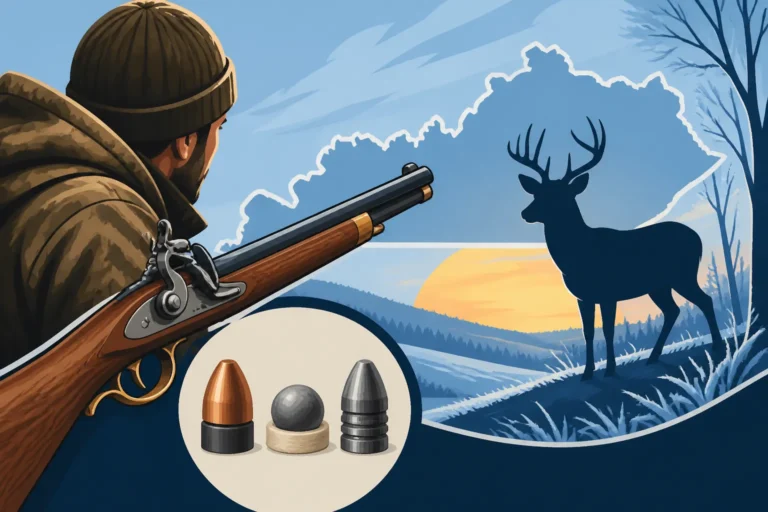
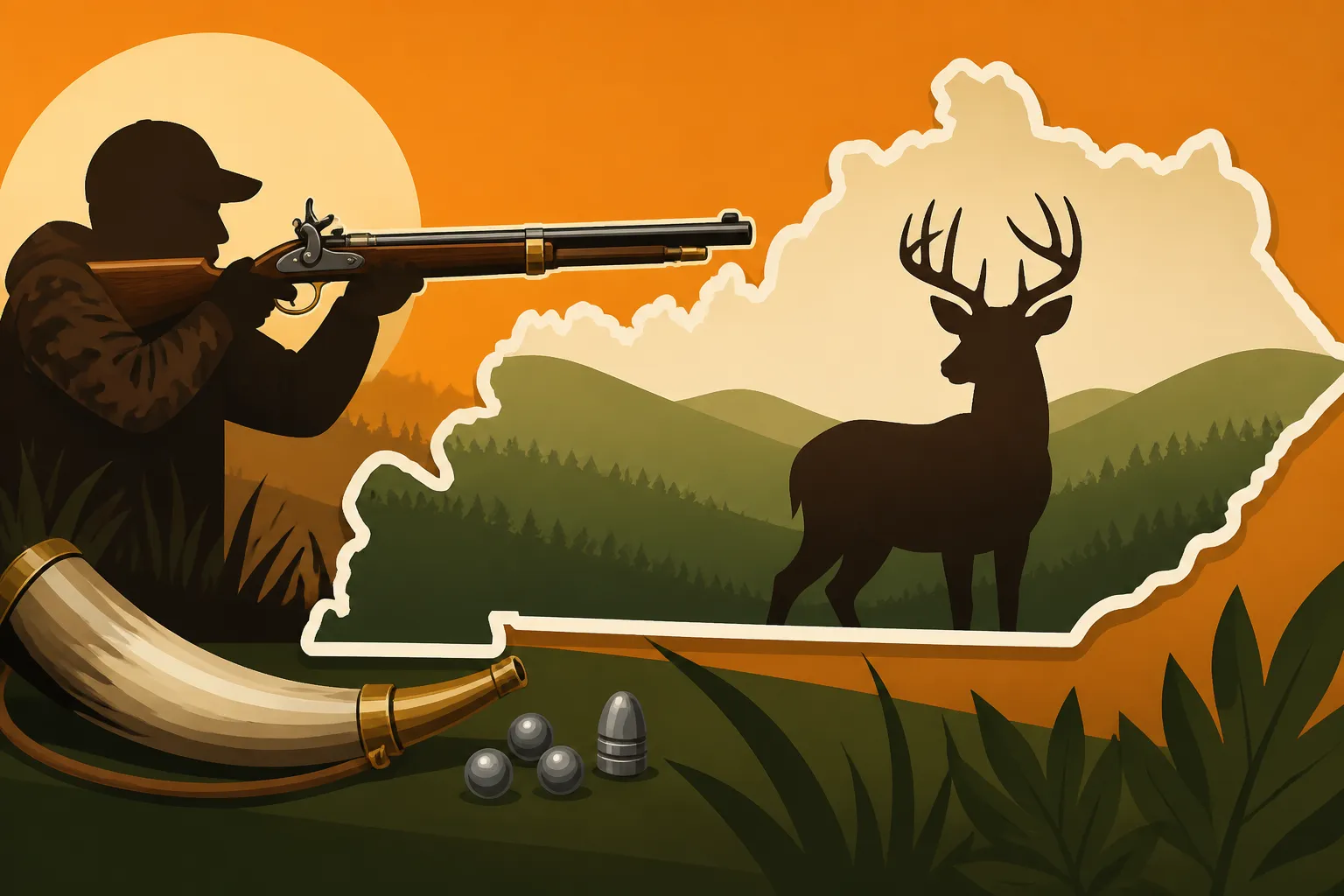
When Kentucky's regulations refer to "muzzleloaders," they generally encompass both traditional flintlock and percussion cap firearms. These are the historical workhorses of black powder hunting. Flintlocks, as the name suggests, use a piece of flint striking a steel frizzen to create a spark that ignites the powder in the pan, which then flashes through a touchhole to the main charge. Percussion caps, a later invention, use a small, self-contained primer that is struck by a hammer, sending a flash into the barrel's breach plug. Both types embody the spirit of traditional hunting, requiring careful loading and a deep respect for the art of shooting. For these firearms, you're typically looking at patched round balls or conical projectiles loaded with loose black powder or a suitable substitute. There’s a certain charm and challenge to hunting with a traditional piece, from the smell of the black powder to the satisfying "thump" of a well-placed shot. Many hunters find immense satisfaction in connecting with the past through these methods, appreciating the simplicity and skill required. These are often the only types allowed in "Pioneer Weapons Only" zones, truly leaning into that heritage.
In-Line Muzzleloaders and Sabots
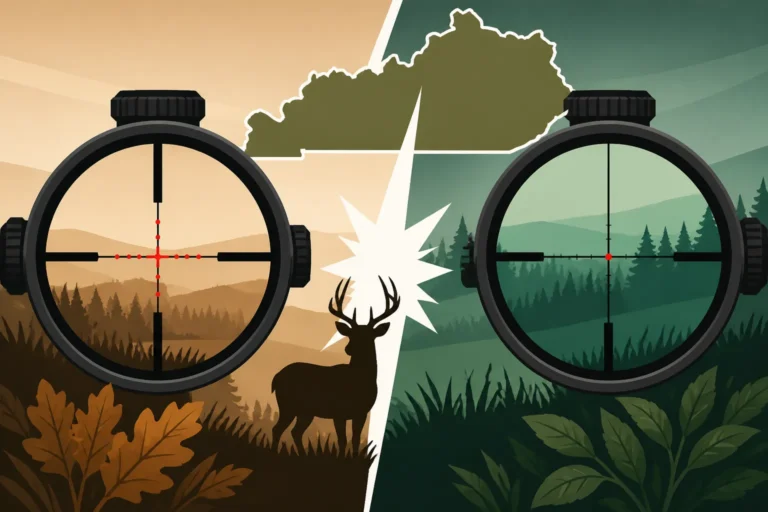
The landscape of muzzleloading has evolved significantly with the advent of in-line muzzleloaders. These firearms are designed for improved reliability, accuracy, and ease of use compared to their traditional counterparts. They feature a modern breach plug system where the primer (often a shotgun primer or a specialized muzzleloader primer) is directly "in-line" with the powder charge, leading to more consistent ignition. Many in-line muzzleloaders also come equipped with rifle scopes, which significantly extends their effective range and precision. Kentucky's regulations allow for in-line muzzleloaders during the general muzzleloader seasons, making them a very popular choice for many hunters. With these, you're often using modern projectiles like sabots, which are plastic sleeves holding a smaller, often jacketed, bullet (like a .45 caliber bullet inside a .50 caliber sabot). This allows for flatter trajectories and better ballistic performance. However, it's essential to understand that while in-lines offer modern conveniences, they are still muzzleloaders, meaning they must be loaded from the muzzle. The regulations clearly differentiate them from cartridge firearms, and it's your responsibility to ensure your specific setup falls within the legal definitions for the season you're hunting. When preparing, many hunters use mapping tools like GoHunt to scout areas that might be conducive to the longer shots an in-line can offer, especially in more open country, while still being mindful of the limitations of a single-shot firearm.
Caliber Restrictions and Ammunition
Kentucky has specific regulations regarding legal calibers and ammunition for muzzleloaders used during deer season. Generally, muzzleloading rifles must be .40 caliber or larger, while muzzleloading handguns must be .50 caliber or larger. This ensures sufficient knockdown power for ethical harvesting of deer. For projectiles, you'll typically be limited to single, non-jacketed projectiles or sabots. What does that mean in practice? It means you won't be using birdshot or buckshot in your muzzleloader for deer hunting. Traditional hunters will often use a patched round ball or a pure lead conical bullet appropriate for their bore. In-line enthusiasts will lean towards sabots that house a rifle-style bullet. The key is to avoid anything that resembles a modern rifle cartridge or shotshell in terms of its payload. Always double-check the Kentucky Fish and Wildlife Resources (KDFWR) hunting guide for the absolute latest and most precise wording on caliber and projectile rules, as these can sometimes be updated. Understanding these nuances is not just about staying legal, but also about ethical hunting, ensuring that your equipment is capable of a clean kill. Don't skimp on researching the best projectile for your specific muzzleloader and practicing extensively with it to understand its capabilities. When considering Sabot Versus Conical for Deer, you'll find there are definite performance differences to weigh.
Here's a quick comparison of common muzzleloader types and their general characteristics under Kentucky rules:
| Muzzleloader Type | General Use in KY | Typical Projectile | Ignition Type | Common Sights | Modernity |
|---|---|---|---|---|---|
| Flintlock | All Muzzleloader Seasons, Pioneer Zones | Patched Round Ball, Conical | Flint/Frizzen | Open Sights | Traditional |
| Percussion Cap | All Muzzleloader Seasons, Pioneer Zones | Patched Round Ball, Conical | Percussion Cap | Open Sights | Traditional |
| In-Line | General Muzzleloader Seasons | Sabots, Conical | 209 Primer | Open/Scope | Modernized |
Required Gear and Preparation for Muzzleloader Hunting
Beyond the firearm itself, successful muzzleloader hunting in Kentucky demands a specific set of gear and a rigorous preparation routine. It's not just about showing up with a gun; it's about being ready for the unique challenges that black powder hunting presents, especially when facing Kentucky's diverse terrain and unpredictable weather.
Essential Muzzleloader Accessories
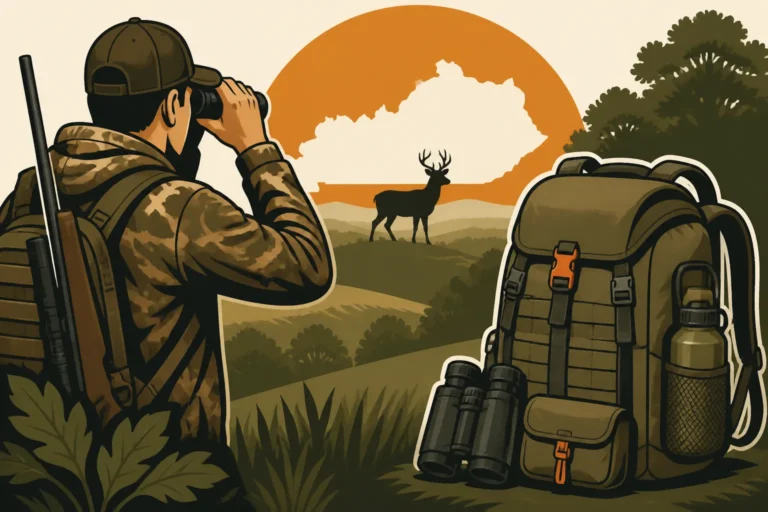
A muzzleloader hunter's kit is a bit different from a modern rifle hunter's. First and foremost, you'll need your powder. Whether it's traditional black powder or a synthetic substitute, ensure it's fresh and stored properly. Then comes your priming system: flint, frizzen, and pan powder for flintlocks; percussion caps for cap-and-ball rifles; or 209 primers for in-lines. Next, your projectiles – be it patched round balls, conicals, or sabots – along with the appropriate patches or sabots themselves. You'll definitely need a powder measure for consistent loads and a powder horn or flask for safe, controlled dispensing. A short starter is invaluable for getting your projectile seated just right, followed by a sturdy ramrod for seating it firmly against the powder charge. Don't forget cleaning supplies specific to black powder; residues can be corrosive if not dealt with promptly. A nipple pick or vent pick is crucial for clearing obstructed flash channels. Many experienced hunters also carry a bullet puller just in case a hunting trip goes sideways and they need to safely unload the rifle. Having all these items organized in a dedicated muzzleloader bag or pouch means you won't be fumbling when it matters most, whether in the field or at the range.
Bore Sighting and Range Practice
Before you ever step foot in the woods, your muzzleloader needs to be properly sighted in. Unlike modern firearms where you might only need a few shots to confirm zero, muzzleloaders, especially traditional ones, can demand a bit more patience. Start with bore sighting, which can get you on paper quickly. Then, head to the range and take your time. Muzzleloaders are typically single-shot, meaning each shot involves a full reloading process. Don't rush it. Take several shots, allowing the barrel to cool between shots if necessary, and meticulously clean the bore after every few shots to maintain accuracy, especially with black powder. Pay close attention to consistency in your loading procedure – how you measure powder, how you seat the projectile – as variations can drastically affect accuracy. Practice at various distances relevant to Kentucky's hunting environments, whether it's 50 yards for thick timber or out to 100 or 150 yards for more open field edges. Understand your muzzleloader's maximum ethical range, which is often considerably shorter than a modern rifle's. Knowing precisely where your projectile will hit at different ranges is critical for making an ethical shot when a deer steps out. For deeper understanding, you might also want to consult Muzzleloaders for a Kentucky December.
Keeping Powder Dry in Kentucky's Weather
Kentucky weather is famously unpredictable. One day it's mild and sunny, the next it's a cold, driving rain, or a wet snow. For muzzleloader hunters, keeping your powder dry isn't just a saying; it's absolutely essential for reliable ignition. Moisture is the enemy of black powder and primers. For flintlocks, this means ensuring your pan powder is protected and perhaps carrying a small, waterproof container of extra priming powder. For percussion caps, having a waterproof cap dispenser and ensuring the caps are seated tightly can prevent issues. In-line muzzleloaders with 209 primers are generally more forgiving, but even they aren't immune to extreme moisture. Many hunters use electrical tape over the barrel and muzzle, or a specialized rubber "muzzle cover" to prevent moisture from entering the bore. A small piece of tape over the percussion cap or primer can offer added protection. Carrying your powder and primers in waterproof containers is a must. If you're using a powder horn or flask, ensure it has a tight-fitting stopper. When sitting on stand in a downpour, try to keep your muzzleloader tucked under your rain gear or covered by a stand umbrella. A misfire due to damp powder is a frustrating and potentially season-ending event. For more specific tactics to combat the elements, check out Keeping Powder Dry in Wet Weather.
Navigating Public and Private Land with a Muzzleloader
Hunting Kentucky's diverse landscape with a muzzleloader offers fantastic opportunities, but whether you're on public land or private, understanding the specific rules and how to access these areas is key. The type of land you choose can significantly influence your hunting strategy and success.
WMA Rules for Muzzleloaders
Kentucky's Wildlife Management Areas (WMAs) offer some incredible public hunting opportunities, but they often come with their own set of specific regulations, which can sometimes differ from statewide rules. When it comes to muzzleloaders, you'll need to pay close attention to the WMA's particular deer hunting seasons and approved weapon types. Some WMAs might have special quota hunts or youth hunts where muzzleloaders are allowed, while others might restrict them to specific dates or even disallow them in favor of archery-only periods. Always check the individual WMA's regulations in the annual Kentucky hunting guide, or use resources like the Kentucky Department of Fish and Wildlife Resources' (KDFWR) online map tool. This tool, much like premium mapping services from GoHunt, can often highlight specific WMA boundaries and regulations, preventing any unintentional infractions. Don't assume statewide rules apply everywhere; WMAs are managed intensively and often have tailored approaches to meet their unique conservation and recreational goals. Understanding these specific rules ensures a smooth and legal hunt. For general information on where to go, a broader resource is Kentucky Wildlife Management Areas.
Daniel Boone National Forest Considerations
The Daniel Boone National Forest (DBNF) offers vast tracts of public land, a dream for many hunters seeking solitude and challenging terrain. Muzzleloader hunting here is generally permitted during the statewide muzzleloader seasons, but the sheer scale and ruggedness of the forest demand extra preparation. Navigation can be tough, with steep hollows, dense timber, and winding ridge lines. A good GPS unit or a reliable mapping app on your phone, loaded with offline maps, is an absolute must. Services like GoHunt can be invaluable for pinpointing old logging roads, identifying potential bedding areas, or marking productive ridge-top saddles. Since the DBNF is so large, hunting pressure can vary wildly. You might find areas near main roads quite busy, but if you're willing to hike deep into the backcountry, you can often find unpressured pockets of deer. Remember that blaze orange requirements still apply during any firearm season, including muzzleloader. Treestand and ground blind regulations are also in effect on public lands, so be sure your setup adheres to those rules. Hunting the DBNF with a muzzleloader is a true wilderness experience, requiring physical stamina and robust woodcraft skills, but the rewards of connecting with a deer in such a pristine environment are unparalleled. For more specific tactics for this region, consider reading Daniel Boone National Forest Hunting.
Securing Private Land Access
Hunting private land with a muzzleloader offers its own distinct advantages, often presenting less pressure and potentially higher deer densities. However, securing that access requires respectful communication and adherence to Kentucky's trespass laws. Always obtain explicit permission from the landowner before you hunt. Verbal permission is legally sufficient in Kentucky, but many experienced hunters prefer to get written permission, specifying dates, permitted game, and weapon types. This can prevent misunderstandings down the road. When approaching landowners, present yourself well, be polite, and offer to help with chores if appropriate. Often, farmers appreciate help with maintaining fences, bush hogging, or other tasks. Muzzleloaders, being single-shot and having a shorter effective range than many modern rifles, can sometimes be viewed favorably by landowners concerned about safety on smaller tracts or near homes. Be sure to discuss this with the landowner. Respecting their property, closing gates, picking up any trash, and sharing a bit of your harvest can go a long way in building a lasting relationship. The freedom to scout and hunt unpressured private ground during the muzzleloader season can be incredibly rewarding, but it all starts with building trust and being a responsible guest.
Tips for Muzzleloader Success in Kentucky
Muzzleloader hunting is a unique pursuit that combines traditional skills with modern hunting strategy. To consistently find success in Kentucky's diverse landscapes, you need to hone specific techniques and understand the inherent limitations and advantages of your chosen firearm.
Shot Placement and Tracking
With a single-shot muzzleloader, making your first shot count is absolutely paramount. Unlike a modern rifle where a quick follow-up shot might be possible, a misfire or a poorly placed shot with a muzzleloader often means the deer is gone. This puts an immense emphasis on shot placement. Aim for the vital zone – the heart and lungs – which offers the largest margin for error and ensures a quick, ethical kill. Practice extensively at the range to understand your muzzleloader's trajectory and your own proficiency. Know your maximum effective range, and stick to it. If a deer presents an iffy shot, wait for a better opportunity. After the shot, unless you see the deer drop, it's generally wise to wait. A minimum of 30 minutes for a good lung shot, and an hour or more for a questionable shot, is a good rule of thumb. This gives the animal time to bed down and expire, making tracking much easier.
Kentucky's terrain, with its dense undergrowth, leaf litter, and steep hollows, can make tracking a challenge. Mark your last known point of the deer and the point of impact. Look for blood, broken twigs, or disturbed leaves. A good headlamp is indispensable if tracking extends into twilight or darkness, and consider a partner to help with the trail. Always assume a wounded animal has gone further than you think, and keep searching diligently. It's a matter of ethical responsibility. If you're curious about the process, Tracking a Deer Through Kentucky Leaf Litter offers excellent advice.
Cold Weather Considerations
Kentucky's late muzzleloader season can be brutally cold, and that cold affects both you and your equipment. For the hunter, layering is key. Start with moisture-wicking base layers, add insulating mid-layers like fleece or wool, and top it off with a waterproof and windproof outer shell. Don't forget insulated boots, warm gloves or mittens, and a good hat, as most body heat escapes through your head. Hand warmers can be a lifesaver on long sits. For your muzzleloader, extreme cold can affect powder ignition and performance. Some black powder substitutes can become less reliable in frigid temperatures. Ensure your primers are fresh and your firing mechanism is clean and free of old grease that might stiffen in the cold. Keep your rifle as dry as possible to prevent condensation from freezing on critical components. A neoprene scope cover can protect your optics from moisture and temperature fluctuations. When choosing a firearm, Choosing a Muzzleloader for December Cold can offer insights into what works best. The cold also makes field dressing and dragging a deer more challenging, so plan your recovery strategy beforehand.
The Ethical Shot Window
Every hunter has an ethical responsibility to make the cleanest, most humane kill possible. For muzzleloader hunters, this translates directly to understanding and respecting the "ethical shot window" for their specific firearm. This window isn't just about what your gun can do, but what you can do with it under hunting conditions. While a modern in-line muzzleloader might be capable of 150-yard shots on the range, can you consistently make that shot in low light, with a pumping heart, when a deer is quartering away slightly through patchy cover? Be honest with yourself.
Factors that influence your ethical shot window include:
- Your personal proficiency: How well do you shoot under pressure?
- The firearm's accuracy: What's the tightest group you can consistently shoot?
- Ammunition performance: Does your projectile perform reliably at distance?
- Environmental conditions: Wind, rain, snow, and low light all reduce your effective range.
- Target presentation: Is the deer broadside, quartering, or facing you? Is the shot clear?
It's always better to pass on a marginal shot and wait for a closer, cleaner opportunity. Respect for the animal means recognizing your limitations and only taking shots that offer the highest probability of a swift, humane harvest. This discipline is a hallmark of truly ethical hunting, and it's especially critical when hunting with a muzzleloader.
Disclaimer
This article is for general informational purposes only and does not constitute professional advice. Laws, prices and regulations vary by location and change over time. Consult a qualified professional for guidance on your specific situation.