Kentucky Cow Firearm Elk Season Dates
Trying to keep track of all the different hunting season dates in Kentucky can feel like navigating a maze, especially when you're specifically targeting something as coveted as a cow elk. It's frustrating when you're passionate about getting out in the woods but feel bogged down by dense regulations. This guide is here to untangle the specifics of the Kentucky cow firearm elk season dates, walking you through not just when to hunt, but also the crucial steps to apply and what to expect in the field.
Understanding the Kentucky Cow Firearm Elk Season Dates
When it comes to hunting elk in Kentucky, knowing the exact dates for your specific permit type is paramount. The Kentucky Department of Fish and Wildlife Resources (KDFWR) meticulously structures these seasons to manage the herd effectively, aiming for a healthy population balance and sustainable hunting opportunities. For cow firearm elk permits, these dates are incredibly precise and often split, which can easily confuse even seasoned hunters if they don't double-check.
Key Dates for Cow Firearm Elk Hunts
The cow firearm elk season in Kentucky is typically divided into two distinct periods, usually spanning a week or so each. These dates are absolutely critical for anyone hoping to pursue elk, as missing them means missing your only chance for the year. Generally, you'll find the first segment of the cow firearm season taking place in late September or early October, and the second segment usually occurring in mid-to-late December. For instance, in recent years, the first season might run from the last Saturday in September for eight days, and the second season could kick off around the second Saturday of December for another eight days. These specific windows are set well in advance, and you'll find them listed clearly on the KDFWR website and in the annual hunting guide.
It’s not just about knowing the month, but the specific days and times. Imagine planning your vacation days, lining up your gear, and getting excited, only to realize you mixed up the weeks. That's a heartache no hunter wants. These precise dates are essential for coordinating with hunting partners, booking any accommodations, and making sure your schedule aligns with the legal hunting window. The seasons can also differ slightly year to year, so always confirm the most current dates directly from the KDFWR official publications as soon as they are released.
Why the Dates are Structured This Way
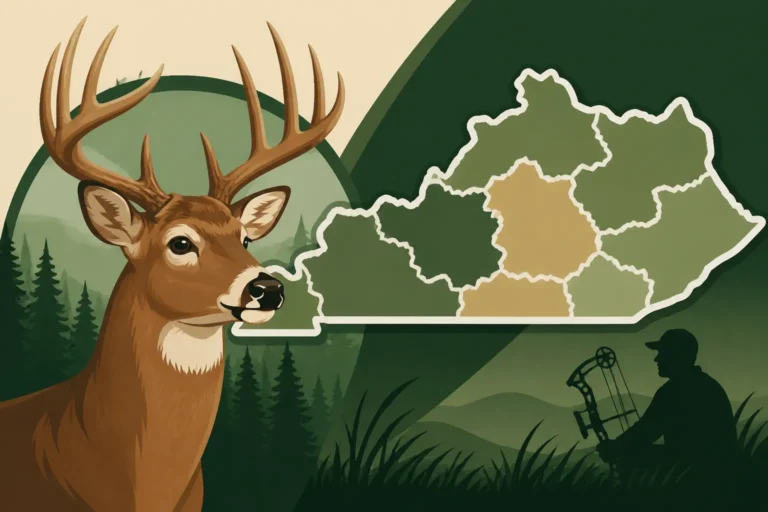
The KDFWR doesn't just pull these dates out of a hat; there's a significant amount of scientific reasoning and herd management strategy behind them. Splitting the season into an early fall and a late fall/early winter period serves multiple purposes. The early season often coincides with cooler weather after the peak of the rut, when cows might be slightly less wary but still active. This period also allows for some harvest pressure before winter truly sets in. The later December season, on the other hand, targets elk when they are often concentrated in wintering grounds, providing another opportunity for harvest. This dual approach helps the KDFWR achieve specific harvest goals for antlerless elk, which is a vital component of managing the overall herd population and ensuring its long-term health. Think of it like a carefully calibrated instrument; each season, each permit, plays a role in the grander scheme of wildlife conservation, similar to how they apply specific harvest rules in various Kentucky Deer Management Zone Rules.
This careful scheduling also takes into account other hunting seasons, minimizing conflicts and ensuring a smooth experience for all hunters. For example, by the time the December cow elk season rolls around, many of the deer firearm seasons might be winding down or have already concluded, reducing pressure on public lands and potential interactions between different types of hunters. It’s a delicate balance, and these specific dates are the result of years of data collection and expert analysis aimed at maintaining Kentucky's thriving elk population.
Navigating the Kentucky Elk Permit Application Process
The dream of hunting a Kentucky elk begins long before you set foot in the woods; it starts with the application. Getting a permit, especially for a cow firearm elk, is a competitive process, and understanding every step is crucial. There's nothing worse than missing a deadline or making a mistake on your application, so pay close attention to the details.
Applying for a Cow Firearm Permit
The application period for Kentucky elk permits, including cow firearm tags, typically runs for several months each spring. It's usually from late April through early June, but you absolutely must check the official KDFWR website for the exact Kentucky Elk Application Window Dates each year. Missing this window means you're out of luck for the entire season, no exceptions. The application is entirely online through the KDFWR’s licensing portal. You’ll need to create an account if you don't already have one, or log in if you do.
When applying, you'll select the type of permit you're after. In this case, you'll specifically be looking for a "Cow Firearm" permit. Be careful not to accidentally select a bull or either-sex permit if your goal is a cow. The cost for a Kentucky Elk Permit Cost is generally a non-refundable application fee, which contributes to the state's wildlife conservation efforts. While applying, you'll also have the option to apply for multiple categories (bull, cow, either-sex, archery, firearm, etc.), but each selection usually incurs a separate application fee. Many hunters find using resources like GoHunt incredibly helpful during this planning phase, as they can provide insights into draw odds and unit breakdowns to inform your application strategy.
The KDFWR issues around 500 elk permits annually across various categories, which means competition is stiff. After the application period closes, a random drawing is held. If you're successful, you'll be notified, and your permit will be available. For unsuccessful applicants, there's always next year, and in Kentucky, your application helps build preference points, subtly improving your odds in future drawings, though the state's system focuses heavily on pure chance.
Understanding Your Chances for a Cow Tag
Let's be real: drawing an elk tag in Kentucky is tough. It's a lottery, plain and simple. However, understanding the nuances of the draw can help manage expectations. While the overall odds for any elk permit can be quite low, specific categories like "Cow Firearm" might sometimes have slightly better odds than "Bull Firearm" due to management goals. The KDFWR wants to control herd growth, and harvesting cows is a key component of that strategy. They aim to issue a certain number of cow permits to maintain a healthy bull-to-cow ratio and prevent overpopulation in specific areas.
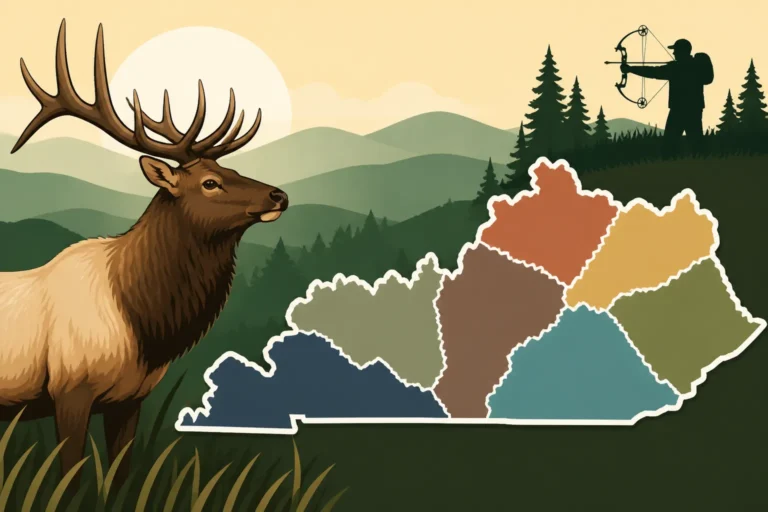
The exact number of cow firearm permits issued each year fluctuates based on herd health assessments and management objectives across Kentucky's Seven Elk Hunting Units. It's not uncommon for there to be thousands of applicants for only a couple hundred cow tags, or even fewer, depending on the year. This is where patience and persistence become truly valuable traits for a Kentucky elk hunter. Don't get discouraged if you don't draw in your first few attempts. Many dedicated hunters apply for years before finally getting their chance. Using tools like GoHunt to analyze past draw statistics, though largely a random draw, can give you a ballpark idea of the competition and help set realistic expectations for your application.
| Permit Type | Application Period (Typical) | Draw Notification (Typical) | Average Annual Permits Issued (Approx.) | Odds (General) |
|---|---|---|---|---|
| Bull Firearm | Late April – Early June | Late June – Early July | 150-200 | Extremely Low (1-2%) |
| Cow Firearm | Late April – Early June | Late June – Early July | 150-200 | Low (2-4%) |
| Either-Sex Archery | Late April – Early June | Late June – Early July | 100-150 | Very Low (1-3%) |
| Either-Sex Crossbow | Late April – Early June | Late June – Early July | 50-75 | Very Low (1-3%) |
Note: These numbers and odds are approximate and can vary significantly each year based on KDFWR management decisions and applicant numbers.
Strategies for a Successful Cow Firearm Elk Hunt
Congratulations, you've drawn a tag! Now the real work begins. Hunting a cow elk during the firearm season requires specific strategies tailored to their behavior and the terrain. It’s not just about getting a permit; it's about being prepared for the hunt of a lifetime. Many of the tactics for hunting deer apply, but elk are a different beast entirely. This is where your preparations for Hunting a Cow Firearm Elk Season truly come into play.
Pre-Season Scouting and Habitat Focus
Effective pre-season scouting is arguably the most critical component of a successful cow elk hunt. During the firearm seasons, cow elk will typically be found in larger herds, often with calves, and sometimes accompanied by younger bulls. Their primary focus will be on food sources and security. This means concentrating your scouting efforts on areas with abundant forage, such as reclaimed mine lands, clear-cuts, and even agricultural fields adjacent to dense timber or thick cover. They'll also frequent areas with reliable water sources.
The steep, rugged terrain of Kentucky's elk zone, particularly in the southeastern coalfields, means you'll need to be in good physical shape. Start using mapping tools like GoHunt to digitally scout potential areas. Look for south-facing slopes, which often melt snow faster and provide early green-up. Identify pinch points, saddles, and benches that elk might use for travel. In areas like the Daniel Boone National Forest, logging roads and old skid trails can offer access into otherwise impenetrable areas and are often used by elk as travel corridors. Don’t be afraid to put boots on the ground long before the season opens, looking for fresh tracks, droppings, and feeding areas. Pay attention to bedding areas, which will typically be on secure, north-facing slopes with dense cover, providing protection from the elements and predators.
Firearm and Gear Considerations
Choosing the right firearm and accompanying gear is essential for an ethical and successful elk hunt. For Kentucky elk, a rifle chambered in a cartridge suitable for large game, such as a .270, .30-06, .308, or even a 6.5 Creedmoor, is recommended. Check the Kentucky Legal Firearms for Deer Hunting rules, as these generally apply to elk as well, ensuring your chosen caliber meets any minimum requirements. While a .243 might be effective on smaller deer, for elk, you want something with more knockdown power and energy retention at longer ranges, as shots can sometimes stretch beyond what you'd typically take on a whitetail. Practice shooting from various positions and at different distances to ensure you're confident in your shot placement.
Optics are another non-negotiable item. High-quality binoculars (10×42 or 12×50) are invaluable for picking apart distant hillsides and spotting elk in dense cover, especially when Optics for Glassing Reclaimed Mine Land. A reliable rangefinder is also a must-have for confirming distances before taking a shot, especially in varied terrain where distances can be deceiving. Don't skimp on a good rifle scope with excellent low-light performance, as prime elk movement often occurs at dawn and dusk. Beyond your rifle and optics, pack a comfortable, supportive backpack, plenty of water, high-energy snacks, a first-aid kit, and good navigation tools (GPS or a robust mapping app on your phone, possibly supplemented by GoHunt's offline maps). The terrain can be unforgiving, and being prepared for all contingencies is vital.
Ethical Hunting and Meat Care
Once you've located a cow elk and have a clear, ethical shot opportunity, aim for the vitals (heart-lung area). A clean, humane kill is paramount. Elk are incredibly tough animals, and a poorly placed shot can lead to a long, arduous tracking job, or worse, a lost animal. After the shot, give the animal time, if possible, before tracking. Even if it looks like a good hit, waiting 15-30 minutes can make a world of difference in recovery. When you approach the downed elk, confirm it's expired before handling it.
Field dressing an elk is a significant undertaking, especially compared to a deer. Given the size and weight, you'll want a sharp, sturdy knife, a bone saw (or knowledge of the gutless method), and plenty of game bags. Consider the temperature; if it's warm, getting the hide off and the meat cooled down quickly is crucial to prevent spoilage. You might need assistance to quarter the animal and pack it out, especially if you're deep in the backcountry. Having appropriate Meat Care Gear for Kentucky Hunters, like large game bags, a sturdy pack frame, and even a small hoist, can be a game-changer. Remember, you're not just harvesting an animal; you're harvesting a substantial amount of high-quality meat, and proper care ensures it doesn't go to waste.
Important Regulations and Post-Harvest Procedures
Kentucky has specific regulations for elk hunting that all hunters must follow to ensure safety and proper management of the herd. Knowing these rules intimately will save you headaches and potential legal trouble.
Required Hunter Orange and Safety Measures
During Kentucky's firearm elk seasons, blaze orange requirements are strictly enforced. All hunters, and anyone accompanying them, must wear solid, unbroken fluorescent orange (or fluorescent pink, an approved alternative) on their head, back, and chest. This isn't just a suggestion; it's the law. The legal requirement is generally to wear at least 500 square inches of solid blaze orange or fluorescent pink material, visible from all sides. This includes a solid blaze orange or pink hat or head covering. Even if you're an experienced hunter, it's easy to overlook this detail, but it's crucial for your safety and the safety of others in the field. Double-check the current Kentucky Blaze Orange Requirements to ensure you comply.
Beyond hunter orange, basic firearm safety is paramount. Always treat every firearm as if it's loaded, keep the muzzle pointed in a safe direction, keep your finger off the trigger until ready to shoot, and be sure of your target and what's beyond it. Hunting the rugged terrain of the elk zone can be physically demanding, leading to fatigue. Stay hydrated, know your limits, and hunt with a partner if possible, especially when covering challenging ground. Remember that most Kentucky Public Land Hunting Hours are from one half-hour before sunrise to one half-hour after sunset.
Reporting Your Harvest and Carcass Transport
After a successful hunt, reporting your harvest is a mandatory step. Kentucky uses a Telecheck system, similar to what you'd use for deer. You must report your elk harvest via the KDFWR website or phone system by 12:00 AM (midnight) Eastern Time on the day the animal is harvested. Failing to Telecheck a Kentucky Deer Harvest (or elk, in this case) is a serious violation. You will receive a confirmation number, which you must record and keep with the carcass until it is processed.
Additionally, Kentucky has specific rules regarding the transportation of elk carcasses, especially concerning Chronic Wasting Disease (CWD). While Kentucky's elk herd has not had a detected case of CWD, adjacent states have, and precautions are in place to protect the herd. Generally, you cannot transport an entire elk carcass out of the elk zone without first removing the brain and spinal cord, or having it processed by a licensed taxidermist or meat processor within the zone. You can typically transport boned-out meat, cleaned skull plates, or taxidermy-ready hides with an intact skull, but always check the most current KDFWR regulations regarding carcass movement. These rules are in place to safeguard the health of Kentucky's incredible elk herd for future generations.
Disclaimer
The information provided in this guide is for general informational purposes only and is subject to change. Hunting regulations, season dates, and permit requirements are established by the Kentucky Department of Fish and Wildlife Resources (KDFWR) and can be modified annually. Always consult the official KDFWR hunting guides, regulations, and website for the most current and accurate information before planning any hunting trip. Compliance with all applicable laws and regulations is the sole responsibility of the hunter.