Running a Trapline in Rural Kentucky
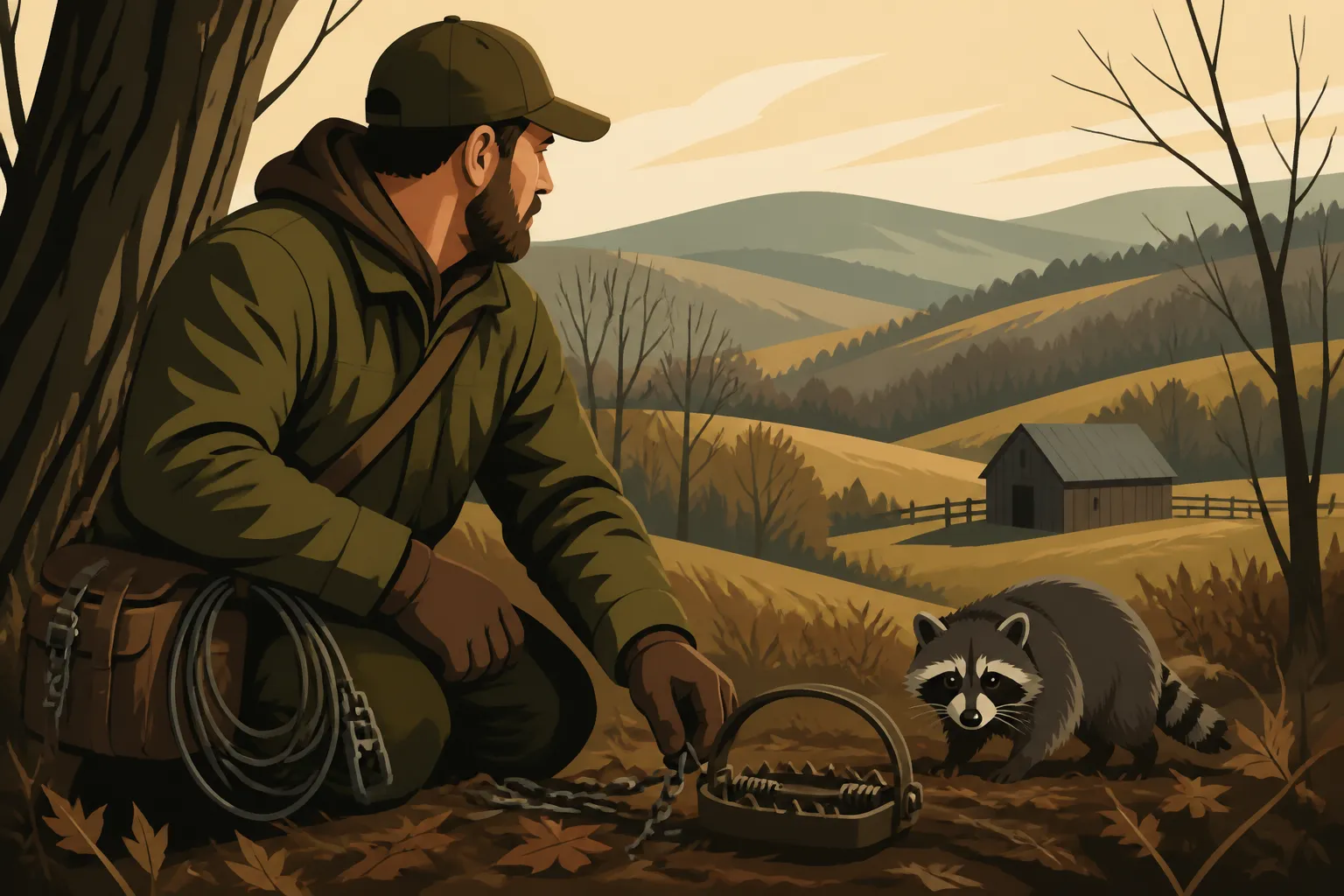
Navigating the world of trapping in rural Kentucky can feel like a daunting challenge, especially for those just starting out or looking to refine their methods. It's not just about setting a trap; it's a deep understanding of wildlife, terrain, and the ever-changing regulations that govern this age-old pursuit. Many aspiring trappers get bogged down in the intricacies of legal trap types, optimal set locations, and the best baits to use without running afoul of the law or disrupting the natural balance. This comprehensive guide will equip you with the knowledge needed to confidently and effectively run a trapline in Kentucky, covering everything from essential regulations and gear to strategic set placement and ethical practices.
Understanding Kentucky's Trapping Regulations and Ethics
Before you even think about buying your first trap or scouting a promising creek bottom, it's absolutely vital to grasp the regulatory landscape in Kentucky. Our state has clear guidelines to ensure sustainable furbearer populations and responsible hunting and trapping practices. Ignoring these rules isn't just a minor oversight; it can lead to serious fines, loss of privileges, and damage to the reputation of all trappers. Taking the time to understand these nuances upfront will save you a lot of headache down the line.
Licensing and Permit Requirements
First and foremost, you'll need the proper paperwork to legally trap in Kentucky. For residents, this typically means a valid annual statewide hunting license, often coupled with a furbearer permit. It's not a "one or the other" situation; you generally need both to be fully compliant, especially if you plan to target species that fall under furbearer regulations.
Non-residents looking to experience Kentucky's trapping opportunities will face slightly different, and often higher, fees for their licenses and permits. Regardless of residency, it's always wise to check the current year's Kentucky Department of Fish and Wildlife Resources (KDFWR) hunting and trapping guide, as regulations and costs can occasionally shift. Young trappers also have specific age requirements and potential apprentice license options, so if you're bringing a junior along, be sure to look into those specifics. For a deep dive into the specifics, you can check out the details on Kentucky Trapping License Requirements.
Legal Species and Seasons
Kentucky is home to a diverse array of furbearers, offering trappers a variety of targets. Common species include coyotes, red and gray foxes, bobcats, raccoons, opossums, striped skunks, muskrats, and beavers. Each of these animals plays a unique role in our ecosystem, and as such, they have specific regulations.
The open seasons for these furbearers can vary significantly. For instance, while coyotes can often be trapped year-round under certain conditions, other species like foxes and bobcats have much more restricted windows. Knowing the precise dates is crucial; setting a trap even a day too early or too late for a specific species could lead to legal trouble. It's also important to note that harvest limits might apply to certain species, particularly bobcats, which are managed carefully. For specific dates and regulations, you'll want to review the current guide for Kentucky Fox and Bobcat Trapping Season, When Kentucky's Raccoon Season Opens, and even Trapping Kentucky Muskrat and Beaver. Always have the current KDFWR guide with you, or at least access to the KDFWR website, when you're out on the line. Beyond specific furbearers, you'll also want to understand the Kentucky Coyote Hunting Season Rules if you plan to pursue them through hunting methods as well.
Ethical Considerations and Best Practices
Trapping isn't just about catching animals; it's about doing so responsibly and ethically. One of the cornerstone principles in Kentucky is the requirement for daily trap checks. This means every single trap you set must be checked at least once every 24 hours. This practice ensures that any animal caught is either humanely dispatched or released quickly, minimizing stress and suffering.
Beyond the legal requirement, ethical trappers strive to avoid non-target catches. While it's impossible to completely eliminate incidental catches, careful set placement, trap selection, and lure choice can significantly reduce the likelihood of catching animals you aren't targeting. If you do catch a non-target species, knowing how to safely and quickly release it is part of being a responsible trapper. Humane dispatch methods for target animals are also a critical skill, ensuring a swift and respectful end. Taking the time to learn proper techniques is not just a courtesy to the animal, but a responsibility.
Essential Gear and Trapline Planning
Just like any other outdoor pursuit, successful trapping hinges on having the right tools for the job and a solid plan before you ever step foot in the woods. You wouldn't go deer hunting without your rifle and binoculars, and you shouldn't run a trapline without the appropriate traps, auxiliary gear, and a well-scouted area. This preparation saves time, increases efficiency, and ultimately contributes to a more productive and enjoyable trapping experience.
Choosing the Right Traps for Kentucky Furbearers
The world of traps is diverse, and selecting the right one depends heavily on the target species, local regulations, and your personal preference. Kentucky permits a variety of trap types, each with its own advantages and disadvantages.
For canines like coyotes and foxes, coil spring or long spring foot-hold traps are popular choices. Brands like Duke, Bridger, and Victor offer robust options in various sizes, but you must ensure they meet Kentucky's legal jaw spread limits. These traps are designed to hold an animal by the foot, allowing for dispatch or release. For raccoons and opossums, "dog-proof" traps (often called DP traps) have become incredibly popular. These tube-like traps are designed to be raccoon-specific, requiring the animal to reach in and pull a trigger, which significantly reduces non-target catches. For aquatic furbearers like beaver and muskrat, drowning sets using foot-holds or specialized body-gripping traps (like Conibear-style traps) are common. However, body-gripping traps have strict size and placement regulations on land, often requiring them to be submerged or set in specific cubbies to avoid accidental capture of larger animals or domestic pets. Always double-check the legal trap sizes and specific regulations outlined by the KDFWR. When you're trying to figure out where to place these, tools like GoHunt can be invaluable. Its satellite imagery and topo maps can help you identify terrain features that might concentrate furbearer movement, giving you a serious edge in trap placement.
Auxiliary Gear for Your Trapline
Beyond the traps themselves, a successful trapper relies on a suite of supporting gear that makes the process smoother, safer, and more efficient. Think of it as your field kit, tailored specifically for the demands of trapping.
First, a good pair of trapping gloves is essential. Not only do they protect your hands, but they also help minimize the transfer of human scent to your traps and sets, which can deter wary animals. Setting tools, like specialized levers or clamps, make the job of compressing powerful springs much safer and easier. A sturdy pack basket or five-gallon bucket is invaluable for carrying traps, stakes, lures, and other supplies. Speaking of lures, a variety of scents and baits will be your secret weapon, tailored to the species you're targeting – from musky canine gland lures to sweet, curiosity-inducing concoctions for raccoons. You'll also need a reliable trowel or small shovel for digging dirt holes and preparing set locations, a hammer for driving stakes, and wire cutters for various on-the-spot adjustments. Flagging tape can be useful for marking your trap locations, though discretion is often preferred. Finally, a humane dispatch tool, such as a small caliber handgun or a sturdy club, is a non-negotiable part of your kit. And don't forget good, waterproof boots! Navigating Kentucky's hollows and creek bottoms can be wet and muddy work.
Scouting and Location Strategy
Successful trapping is less about luck and more about strategic placement, and strategic placement comes from thorough scouting. This is where you become a detective, reading the subtle signs of the landscape and the animals that inhabit it.
Start by identifying key features that concentrate furbearer movement. Creek bottoms, particularly those with gradual banks or narrow points, are natural travel corridors for many species, especially raccoons, muskrats, and coyotes. Field edges, fencerows, and timber lines act as highways for canines and other terrestrial furbearers. Look for culverts under roads, drainages, and even old logging roads as prime locations. The KDFWR often manages land for various species, so familiarizing yourself with Kentucky Wildlife Management Areas (WMAs) in your region can also point you to good starting points for scouting.
Once you have a general area in mind, get down to specifics by identifying fresh animal sign. Look for tracks in mud or soft earth, scat (droppings), chewed vegetation (especially for beaver and muskrat), and potential dens or slides. Scent posts, where animals routinely urinate or defecate to mark territory, are absolute gold mines for trap placement. This is where modern tools really shine. Apps like GoHunt, with their detailed satellite imagery and topographic maps, are incredibly helpful for identifying these pinch points, historical travel routes, and water features even before you step out of your truck. You can overlay property lines (crucial for ensuring you're on public land or land where you have permission) and analyze terrain features to predict where animals are most likely to travel. Much like a deer hunter uses maps to find ideal deer bedding areas, you can use these tools to find prime trapping spots. For more general scouting tips that apply surprisingly well to trapping, consider learning about Reading Aerial Photos for Eastern Kentucky Deer or even Reading Kentucky Mud for Fresh Deer Movement.
| Furbearer | Primary Habitat | Ideal Trap Types (Common) | Common Set Locations | Season (General) |
|---|---|---|---|---|
| Coyote | Diverse; fields, forests, edges | Coil/Long Spring Foot-hold, Snare | Field edges, logging roads, pinch points, crossings | Open year-round (often) |
| Fox | Fields, mixed forests, brush | Coil/Long Spring Foot-hold | Field corners, fencerows, timber edges, brush piles | Fall/Winter |
| Bobcat | Dense cover, rocky outcrops, timber | Coil/Long Spring Foot-hold, Snare | Heavily wooded areas, rocky ledges, dense thickets | Fall/Winter |
| Raccoon | Waterways, bottomlands, farm fields | Dog-proof (DP) Traps, Foot-hold | Creek banks, culverts, log crossings, den entrances | Fall/Winter |
| Opossum | Woodlands, agricultural areas, urban fringes | Dog-proof (DP) Traps, Foot-hold | Similar to raccoon, often near refuse/food sources | Fall/Winter |
| Muskrat | Marshes, ponds, slow-moving streams | Conibear, Foot-hold | Runs, push-ups, den entrances, submerged channels | Fall/Winter |
| Beaver | Rivers, large creeks, ponds, lakes | Conibear, Foot-hold, Snare | Slides, dam breaks, castor mounds, main channels | Fall/Winter |
Note: Always consult the current KDFWR Furbearer Hunting and Trapping Guide for exact season dates, legal trap sizes, and specific regulations, as these can change annually.
Setting Your Traps and Running the Line
Once you've done your homework, gathered your gear, and identified promising locations, the real work of trapping begins: setting your traps and diligently tending your trapline. This is where your understanding of animal behavior, camouflage, and consistency truly pays off.
Effective Set Types for Key Kentucky Species
Knowing where to set a trap is one thing, but knowing how to set it for maximum effectiveness and minimal non-target catches is another. Different species respond best to different presentations.
For coyotes and foxes, the dirt hole set is a classic for a reason. It mimics a small animal's cached food or a natural burrow. You dig a sloped hole, place a small amount of bait (like tainted meat or a commercial bait paste) inside, and then carefully bed your foot-hold trap in front of the hole, blending it perfectly with the surrounding earth. A flat set is simpler, often used near a natural object like a clump of grass or a rock, where a dab of lure is placed to draw the animal's attention. A post set uses a prominent object like a fence post or stump that canines naturally scent-mark. The trap is bedded subtly nearby, and a gland lure is applied to the post. The key to all these canine sets is meticulous blending and scent control.
For raccoons and opossums, dog-proof (DP) traps are incredibly effective and selective. These are often baited with sweet treats like marshmallows, corn, or a commercially prepared Coon Getter bait. Simply push the trap into the ground, bait the trigger, and often raccoons will eagerly reach in. For more traditional sets, a pocket set involves digging a small "pocket" into a bank near water, baiting it, and bedding a foot-hold trap at the entrance. Cubby sets use a natural or constructed enclosure, often with a large body-gripping trap (like a Conibear) placed inside, but always ensure it's in a location where non-target animals are unlikely to enter and is compliant with size and placement regulations.
Beaver and muskrat trapping relies heavily on their aquatic habits. Drowning sets are common for foot-hold traps set for beaver, ensuring the animal quickly submerges and expires. These are often placed on beaver slides (where they enter and exit the water), near fresh cuttings, or on castor mounds (their scent-marking spots). Conibear traps are devastatingly effective for beaver when placed in their main travel channels or at pinch points in their dams. For muskrats, small Conibear traps can be placed in their runs or at the entrances to their push-ups (mounds of vegetation they build in water). The effectiveness of these water sets lies in understanding the animal's underwater pathways and daily routines.
Lures, Baits, and Scent Control
The best trap set in the world won't catch anything if an animal doesn't investigate it, and that's where lures and baits come in. Lures are designed to attract through scent, mimicking food, curiosity, or the presence of another animal (gland lures). Baits are actual food items used to draw the animal in.
For canines, food-based baits often include tainted meat (e.g., beaver, skunk, or commercial formulations), while gland lures mimic the scent of another coyote or fox, appealing to territorial instincts or breeding curiosity. For raccoons, sweet baits like fruit, marshmallows, or anise-scented corn are irresistible. Muskrats respond well to root vegetables or specific muskrat lures.
Scent control is paramount, especially for canines. Wear clean gloves, avoid touching anything but your tools and the traps, and consider using earth-scented or scent-eliminating sprays on your equipment. Human odor, exhaust fumes, or even strong cologne can spook wary furbearers. The goal is to make your set look and smell as natural as possible, an inviting spot for the target animal to investigate without suspicion. Avoid over-luring; a small amount of a quality lure is often more effective than a large, overpowering blob.
Daily Checks and Maintenance
Kentucky law mandates that all traps must be checked at least once every 24 hours. This isn't just a rule; it's a cornerstone of ethical trapping. It ensures that animals are not left to suffer and that you can address any issues with your line promptly.
When approaching your traps, do so carefully. You never know what you might find, and a trapped animal, even a small one, can be dangerous if handled improperly. If you find your target species, humane dispatch is the next step. Learn proper techniques that are quick and minimize suffering. If you catch a non-target animal, and it's not injured, release it carefully and quickly. Sometimes you'll find an empty trap, perhaps sprung by a passing non-target animal or simply missed by your quarry. In this case, you'll need to reset the trap, making sure it's functioning properly and re-camouflaged. If a spot isn't producing, don't be afraid to pull the trap and move it to a more promising location. Being flexible and responsive to activity (or lack thereof) is key to a productive trapline. The same principles of careful handling and attention to detail that apply to big game, like those discussed in Field Dressing a Deer in Cold Weather, are equally important when dealing with furbearers on the trapline.
Post-Harvest Processing and Marketing
Catching furbearers is certainly exciting, but the work isn't done until the fur is properly handled and, for many trappers, marketed. Turning a raw catch into a valuable pelt is an art form in itself, requiring patience and skill.
Skinning and Pelting Techniques
Proper pelting is crucial for maximizing the value of your furs. The two primary methods are "cased" skinning and "open" skinning. Cased skinning involves peeling the hide off like a sock, leaving the fur side out or in, depending on the buyer's preference. This is typically used for canines, raccoons, bobcats, and muskrats. Open skinning involves slitting the animal down the belly, often used for beaver, as their broad, flat hides don't lend themselves to cased methods.
After skinning, the next critical step is fleshing, which involves removing all fat and muscle tissue from the hide. This prevents spoilage and "grease burn" which can damage the fur. Various fleshing knives and beams are available to make this task easier. Once fleshed, the hide is stretched and dried, typically on wire stretchers or wooden boards shaped to the animal's dimensions. Proper stretching ensures a uniform, attractive pelt. Cleanliness, symmetry, and thorough drying are paramount; a poorly prepped pelt will fetch a significantly lower price.
Marketing Your Furs in Kentucky
The fur market is dynamic and can fluctuate year to year based on fashion trends, international demand, and other factors. However, Kentucky trappers still have avenues to sell their hard-earned pelts.
Many trappers sell directly to local fur buyers who travel through the state or have established buying locations. These buyers often offer cash for furs, providing an immediate return, though sometimes at a slightly lower price than you might get through other channels. Regional fur auctions, often held in states bordering Kentucky, can sometimes yield higher prices, especially for prime pelts, but require more effort to attend and navigate. Online sales platforms and direct-to-consumer sales can also be options, particularly for unique or high-quality pelts, but this requires a bit more marketing savvy on your part. Connecting with experienced trappers in your area through local trapping associations or online forums can provide invaluable insights into current market conditions and reputable buyers. While the fur market might not be what it once was, the effort of running a trapline and preparing the furs remains a rewarding aspect of Kentucky's rich outdoor tradition.
Disclaimer
Please note: The information provided in this guide is for general informational purposes only and is not a substitute for the official regulations published by the Kentucky Department of Fish and Wildlife Resources (KDFWR). Hunting and trapping regulations, season dates, and license requirements can change annually. Always consult the most current KDFWR Hunting and Trapping Guide or visit their official website before engaging in any hunting or trapping activities. Adherence to all local, state, and federal laws is the responsibility of the individual hunter or trapper.