Fishtrap Lake Wildlife Area Access
Finding solid, detailed information about accessing and hunting specific public land tracts can sometimes feel like a treasure hunt itself, especially when you're looking at a place off the beaten path like Fishtrap Lake Wildlife Area. It's frustrating to drive all that way only to find gates locked or no clear path to where you want to go. This comprehensive guide is designed to cut through that confusion, providing you with the essential knowledge you need to successfully access and hunt Fishtrap Lake WMA in eastern Kentucky.
Understanding Fishtrap Lake Wildlife Area
Fishtrap Lake Wildlife Area (WMA) is a significant public hunting and recreation area nestled in the rugged, beautiful terrain of Pike County, Kentucky. Unlike some of the sprawling national forest lands, WMAs are generally managed by the Kentucky Department of Fish and Wildlife Resources (KDFWR) specifically for wildlife habitat and public recreation, with hunting often being a primary focus. This particular WMA offers a unique blend of steep hills, dense timber, and hollows that define much of eastern Kentucky, all centered around the impressive Fishtrap Lake.
Location and General Characteristics
Fishtrap Lake WMA is situated in the heart of Kentucky's coalfield country, a region known for its dramatic topography and rich history. The WMA encompasses thousands of acres, primarily characterized by mature hardwood forests, some scattered pines, and numerous creek bottoms that feed into the lake. The terrain here is no joke; expect steep climbs and descents, making for physically demanding but incredibly rewarding hunts. It’s not uncommon to gain and lose hundreds of feet in elevation multiple times during a day's outing. The lake itself, formed by a dam on the Levisa Fork of the Big Sandy River, adds another dimension, influencing everything from waterfowl opportunities to microclimates in the surrounding hills.
The area is generally well-marked with WMA signs, but the sheer size and ruggedness mean that knowing your specific intended hunting area beforehand is crucial. You're deep in the Appalachian foothills here, and while scenic, it demands respect for its wild nature. Water sources are plentiful, often in the form of small creeks and seep springs, which can be critical for wildlife, especially during drier periods. This type of landscape is a stark contrast to the more open farmlands found in other parts of the state, requiring a different approach to scouting and hunting.
Habitat Diversity and Its Impact
The habitat at Fishtrap Lake WMA is incredibly diverse, which translates directly to a wide variety of hunting opportunities. You'll find mature oak and hickory stands on the ridge tops, providing crucial mast crops for deer, turkey, and squirrels. As you descend into the hollows, the vegetation often becomes denser, with thickets of rhododendron and mountain laurel providing excellent cover for bedding animals. Along the lake and major creek drainages, you might encounter sycamore, river birch, and even some patches of cane, which are vital for small game and offer different ambush points for deer.
This mix of mature timber, thick undergrowth, and aquatic influence creates a vibrant ecosystem. Deer will often utilize the dense cover for bedding and move to the ridge tops to feed on acorns or other forage. Turkeys will roost in the tall trees along the slopes and spend their days scratching for food in the more open hardwoods. Small game like squirrels thrive in the abundant mast crops. Understanding this habitat mosaic is key to successful hunting here. It’s not just about finding deer; it’s about understanding why they are in a particular spot. When you're Reading Aerial Photos for Eastern Kentucky Deer, you'll notice how these different habitat types blend and how deer might transition between them.
Access Points and Navigating the Terrain
Getting into and around Fishtrap Lake WMA requires a bit of planning, especially if you're not accustomed to hunting rugged eastern Kentucky land. While there are main access roads, many of the best hunting spots require some legwork to reach.
Primary Entry Points
The primary access to Fishtrap Lake WMA is typically via roadways that parallel sections of the lake and its main feeder creeks. You'll often find parking areas, sometimes just pull-offs, along these roads. Routes like KY-1789 (State Highway 1789) or other local county roads can get you close to different sections of the WMA. It's not a single, cohesive block of land in all areas; rather, it often wraps around the lake and extends into the surrounding hills, so knowing which section you want to hunt is important.
Always look for designated parking areas or pull-offs where your vehicle won't impede traffic or block access for others. Remember, this is often winding, mountainous road territory, so be mindful of local traffic and other hunters. Pay attention to any signs indicating specific WMA regulations or parking restrictions. Sometimes, what looks like a good spot to pull over might actually be private property, so double-check your maps. This kind of nuanced access is why tools like onX Hunt are invaluable, as they clearly delineate WMA boundaries and public access points, helping you avoid accidental trespass or parking tickets.
Navigating by Vehicle and Foot
Once you've parked, the real navigation begins. Vehicle access within the WMA itself is often restricted to main gravel or dirt roads, with many trails and logging roads being foot traffic only. This is where your preparedness for steep terrain becomes paramount. Many of the most productive hunting areas at Fishtrap Lake WMA are not directly adjacent to main roads; they require a significant hike into the backcountry. You'll be climbing, descending, and traversing steep sidehills.
For those planning to hunt deeper within the WMA, a good pair of sturdy, broken-in boots is non-negotiable. Consider trekking poles for stability, especially when coming down steep, leaf-covered slopes. Always carry more water than you think you'll need. While creeks exist, they aren't always reliable or easily accessible. Familiarize yourself with topographical maps or GPS before you head in. Understanding the contour lines, drainages, and ridge lines will give you a significant advantage in figuring out Where Daniel Boone Forest Bucks Bed and how they move through similar mountainous habitat. Don't underestimate the physical challenge; this isn't a casual stroll.
Using Mapping Tools Effectively
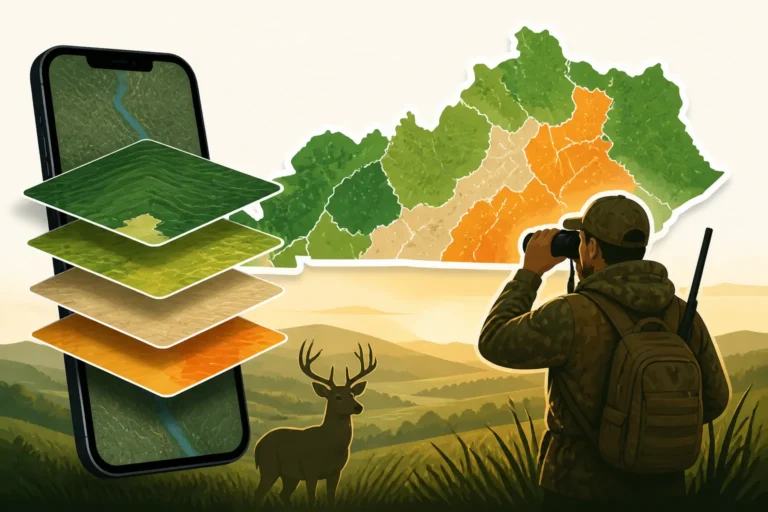
In rugged terrain like Fishtrap Lake WMA, relying solely on old-school paper maps can be daunting, especially when trying to pinpoint property lines or locate subtle terrain features. Modern mapping applications, like onX Hunt and GoHunt, are game-changers for public land hunters. These apps provide detailed satellite imagery, topographic maps, and crucially, property boundaries that show exactly where WMA land begins and ends.
Before your hunt, you should be pouring over these maps. Look for natural funnels, saddles along ridges, dense bedding cover, and potential food sources like oak flats. Download offline maps to your phone, as cell service can be spotty or nonexistent in remote eastern Kentucky hollows. You can drop waypoints for potential stand locations, scouting finds, or even your vehicle's parking spot to ensure you can navigate back safely after a successful hunt or a long day of scouting. Knowing you're on public land, and exactly where it is, eliminates a huge layer of stress and allows you to focus on the hunt. Scouting Kentucky Public Land Before Season becomes much more efficient when you can digitally mark key areas and plan your routes.
Hunting Opportunities and Key Species
Fishtrap Lake WMA offers a diverse range of hunting opportunities for various game species, reflecting the rich biodiversity of eastern Kentucky. Success here often hinges on understanding the specific behaviors of these animals within this unique mountainous and lakeside environment.
Deer Hunting at Fishtrap
White-tailed deer are the primary draw for many hunters at Fishtrap Lake WMA. The steep, timbered hillsides provide ample cover and diverse forage. While you might not see the sheer numbers of deer found in some of Kentucky's agricultural zones, the deer here are typically wilder and more challenging to hunt, offering a truly rewarding experience. Early archery season can be tough with thick foliage, but as the leaves drop, visibility improves, and the terrain becomes more readable. During the Kentucky archery season, a vertical bow or crossbow will be your primary tool.
Focus your deer hunting efforts on ridge tops, especially those with good mast crops like acorns. Deer will also travel saddles that connect ridges, using them as natural travel corridors. Look for fresh rubs and scrapes along these routes. Don't overlook the thick cover in hollows and along creek drainages; these areas can be prime bedding locations. During the gun seasons, deer drives can be effective, especially when working with a small group of hunters to push deer out of thickets or hollows. Deer Drives With Three or Four Hunters can be a great tactic for covering ground and increasing your chances. Keep an eye out for areas that might offer late-season food sources like greenbriar or honeysuckle, especially after hard frosts have eliminated other forage.
Turkey and Small Game Prospects
Fishtrap Lake WMA is also a fantastic spot for wild turkeys. The mature timber and diverse understory provide ideal habitat for these wary birds. Spring turkey season here can be exhilarating, with gobblers sounding off from steep roosts in the pre-dawn dark. Look for them roosting in tall trees along ridge lines or over steep hollows, where they feel safe. After they fly down, they'll often work their way through the hardwoods, feeding.
For small game hunters, squirrels are abundant, especially during years with good acorn crops. Squirrel Hunting a Kentucky Oak Ridge is a classic pursuit, and Fishtrap's expansive oak forests are perfect for it. Rabbits can also be found in thicker brushy areas, especially along old clear-cuts or fencerows if any are present on the WMA boundary. While grouse populations have seen declines in many parts of Kentucky, pockets might still be found in specific habitat types, particularly younger forest growth or dense laurel thickets, though this is a much harder hunt these days. Don't forget to check the regulations for specific seasons and bag limits for all small game species.
Waterfowl and Upland Birds
Given its namesake lake, Fishtrap Lake WMA can also offer some unique waterfowl hunting opportunities. While it might not be a traditional "duck factory" like some western Kentucky impoundments, the lake and its feeder creeks can attract various duck species, particularly during migration. Mallards, wood ducks, and even some diver ducks can be found here. Hunters might find success jump-shooting smaller creeks or setting up blinds in quiet coves, provided access allows. Always check the Kentucky Department of Fish and Wildlife Resources regulations for specific waterfowl zones and seasons.
For upland bird enthusiasts beyond turkeys and grouse, dove hunting can be available in certain areas, particularly if there are agricultural fields or managed dove fields nearby. However, the WMA's primary focus is often on timber and big game. Always consult the KDFWR hunting guide for specific seasons and opportunities, as these can vary annually.
Rules, Regulations, and Essential Considerations
Hunting on any WMA comes with a specific set of rules and considerations that go beyond general statewide regulations. Fishtrap Lake WMA is no exception, and being informed is key to a safe, legal, and enjoyable experience.
WMA-Specific Regulations
Wildlife Management Areas like Fishtrap often have unique rules concerning weapon types, hunting hours, harvest reporting, and even access. It's not uncommon for some WMAs to have specific archery-only zones or restrict certain types of firearms during particular seasons. Always, always check the current KDFWR Hunting and Trapping Guide or visit their website for the most up-to-date regulations for Fishtrap Lake WMA before you go. These rules can change from year to year, so relying on outdated information is a recipe for trouble. For instance, some WMAs might require a specific WMA permit in addition to your general hunting license and deer/turkey permits. Familiarize yourself with Kentucky Hunting Licenses and What They Cost well in advance.
Additionally, regulations regarding ATVs, camping, and even trail camera usage can differ from general public land rules. Most WMAs restrict vehicle use to designated roads and parking areas, and camping might only be allowed in specific spots or not at all. Treestand usage is generally permitted, but often requires them to be removed at the end of the season, and damaging trees is prohibited. Always confirm these details to avoid fines or losing your hunting privileges.
Safety and Preparation
Hunting in rugged eastern Kentucky terrain demands a strong emphasis on safety and preparedness. The steep, uneven ground can lead to falls, and the dense cover can make it easy to get disoriented. Always hunt with a buddy if possible, and if hunting alone, let someone know your exact hunting plan and expected return time. Carry a fully charged cell phone (with offline maps downloaded, as mentioned before), a first-aid kit, a headlamp, and emergency fire-starting supplies. Weather in the mountains can change quickly, so dress in layers and carry rain gear. Kentucky Blaze Orange Requirements apply to most firearm seasons, and it's always a good idea to wear some blaze orange even during archery season for visibility, especially if other hunters might be around.
Be aware of other users. Hikers, anglers, and even other hunters will be using the WMA. Practice proper firearms safety at all times, including being absolutely sure of your target and what's beyond it, especially in hilly terrain where shots can carry. When using treestands, always wear a safety harness and use a lifeline. The KDFWR provides excellent resources on Kentucky Hunter Education Requirements, which covers many of these essential safety practices.
Responsible Use and Conservation
As stewards of our hunting heritage, it's crucial to practice responsible use and contribute to conservation efforts while enjoying Fishtrap Lake WMA. This means adhering to all regulations, practicing ethical hunting methods, and leaving no trace. Pack out everything you pack in, and perhaps even a little more if you see trash left by others. Respect wildlife by only taking legal game and practicing good shot placement to ensure quick, humane harvests.
Report any suspicious activity or violations to the KDFWR. Their conservation officers work tirelessly to protect our wildlife and hunting opportunities. By being a responsible hunter, you help ensure that Fishtrap Lake WMA remains a quality hunting destination for generations to come. Your actions reflect on the entire hunting community, so set a good example.
Game Species and General Season Overview at Fishtrap Lake WMA
| Species | Primary Season(s) | Typical Habitat | Key Considerations |
|---|---|---|---|
| White-tailed Deer | Archery, Modern Gun, Muzzleloader | Ridge tops, hollows, thickets | Steep terrain, abundant mast, use saddles/funnels |
| Wild Turkey | Spring (Gobblers), Fall (Either-sex) | Mature hardwoods, roosts | Vocalizations, scouting roosts, challenging terrain |
| Squirrel | Fall, Winter | Oak/Hickory forests | Mast crops, limb-cutting, slow stalking |
| Waterfowl | Fall, Winter (Migratory) | Lake, creeks, quiet coves | Migration patterns, jump-shooting, checking water levels |
| Rabbit | Fall, Winter | Thickets, brushy edges | Requires dense cover, can be limited to certain areas |
Disclaimer
This article is for general informational purposes only and does not constitute professional advice. Laws, prices and regulations vary by location and change over time. Consult a qualified professional for guidance on your specific situation.