Dog Training on Kentucky Public Land
It can be incredibly frustrating to find the right spot to train your hunting dog in Kentucky. You want to give them real-world experience, build their skills, and reinforce good habits, but navigating public land rules can feel like a maze. Knowing where you can go, what's allowed, and how to stay safe for both you and your canine companion is paramount. This comprehensive guide will walk you through the specifics of training your hunting dog on Kentucky's public lands, helping you understand the regulations, choose the best locations, and implement effective, responsible training practices.
Understanding Kentucky's Public Land Dog Training Regulations
Training your hunting dog on public land isn't just about finding open space; it's about understanding and adhering to the Kentucky Department of Fish and Wildlife Resources (KDFWR) regulations. These rules are in place to ensure public safety, protect wildlife, and minimize conflicts between different user groups. Ignoring them can lead to fines, loss of privileges, and even harm to your dog or others.
General Rules and Restrictions
Kentucky's public lands, including Wildlife Management Areas (WMAs) and national forests, often have specific rules regarding dog use. While a general statewide license allows you to hunt most game species, dog training falls into a slightly different category. Typically, dogs must be under control at all times, whether by leash, voice command, or e-collar. This isn't just a suggestion; it's a critical safety measure, especially in areas with varying terrain or potential encounters with wildlife, livestock, or other people. Some WMAs might have stricter rules, such as requiring leashes in designated areas or during certain times of the year, so it's always smart to check the specific WMA regulations before you head out. These rules are often posted at access points or available on the KDFWR website.
For example, imagine you're training a young bird dog to hold a point, and it suddenly bolts after a deer. If it's not under immediate control, not only is your training session ruined, but that dog could spook deer for hunters, run onto private land, or encounter hazards. Responsible dog training on public land means you've got a solid handle on your dog's behavior, especially when it comes to responding to commands in high-distraction environments.
Seasonality and Conflicts with Hunting Seasons
One of the biggest considerations for training your dog on Kentucky public land is avoiding conflicts with active hunting seasons. While your dog might be a champion retriever, a deer hunter during the Kentucky's Statewide Modern Gun Season isn't looking for a dog to run through their stand location. During deer, turkey, or even small game seasons, public lands can become crowded with hunters who have invested time and resources into their pursuits. Training your dog in these conditions can be dangerous and disruptive.
It's absolutely critical to wear blaze orange or blaze pink when training during any firearm hunting season, even if you're not actively hunting. Your dog should also wear a blaze orange vest or collar to make them highly visible. This significantly reduces the risk of accidental encounters. Think about it: a hunter focused on movement might mistake a running dog for game in low light conditions. Checking the KDFWR hunting calendar for specific season dates is a must. Many trainers opt to focus their public land sessions during the off-season for major game, or during small game seasons where the presence of dogs is more common and expected, such as Rabbit Hunting Kentucky Fencerows or Squirrel Hunting Kentucky Bottomland Hardwoods.
Specific Dog Training Areas
While Kentucky doesn't have a vast network of dedicated dog training facilities on public land, many Wildlife Management Areas (WMAs) are excellent choices for training. The key is to understand that these areas are managed primarily for wildlife habitat and public hunting, so dog training is usually permitted as long as it doesn't interfere with those primary uses or violate specific WMA rules. Some WMAs might have designated fields or areas where certain types of dog training (like bird dog work with pigeons or quail) are more appropriate.
However, don't expect manicured fields specifically for retrieve drills in every location. Most of the time, "dog training areas" on public land means utilizing the natural terrain and cover to simulate real hunting conditions. This could be anything from timbered ridges in Eastern Kentucky to the vast bottomlands of Western Kentucky. You might find areas with dense cover perfect for flushing practice, or more open fields for long retrieves. Always look for signage or specific WMA brochures that might outline any unique rules for dog use or training.
Choosing the Right Public Land for Training Your Dog
Kentucky boasts a variety of public lands, each with its own characteristics and potential for dog training. Knowing which type of land best suits your training goals is crucial for both effectiveness and safety.
Wildlife Management Areas (WMAs)
Kentucky's Kentucky Wildlife Management Areas are generally excellent choices for dog training, especially for bird dogs and retrievers. These areas are specifically managed for wildlife and public recreation, often featuring diverse habitats like agricultural fields, timber blocks, and wetlands. Many WMAs are designed to hold good populations of small game, making them ideal for exposing your dog to natural scents and real-world scenarios.
For instance, if you're working with a retriever, WMAs with accessible ponds or slow-moving creeks offer great opportunities for water retrieves. If you're training a pointer, areas with successional growth, briar thickets, and field edges provide excellent cover for birds like quail or rabbits. However, always remember that WMAs are active hunting grounds. During open hunting seasons, especially for deer, you'll want to plan your training around peak hunting hours or seek out less-pressured corners. Some WMAs have specific rules regarding dog use, particularly related to off-leash activities or during sensitive wildlife nesting periods. It's not uncommon to find rules like "dogs must be leashed in parking areas" or "no dogs allowed in waterfowl impoundments during specific dates." Checking the KDFWR website or the WMA's specific page is always your best bet.
Daniel Boone National Forest and Other National Forests
The Daniel Boone National Forest Hunting offers vast expanses of rugged, mountainous terrain, primarily in Eastern Kentucky. This type of land is fantastic for endurance training, teaching your dog to navigate challenging landscapes, and exposing them to diverse forest scents. If you're training a tracking dog or a hound, the extensive timber and varied topography can provide an excellent training ground. The sheer size of the Daniel Boone National Forest (DBNF) means you can often find secluded areas, reducing the chances of encountering other recreational users.
However, the DBNF is also known for its steep hollows, dense undergrowth, and significant populations of deer, bear, and other wildlife. While this offers realistic scenarios, it also means a higher potential for your dog to encounter large game or get disoriented. GPS collars are almost a necessity here, especially if you're letting your dog range. Furthermore, regulations in national forests can differ slightly from state WMAs. For example, specific rules might exist regarding the use of motorized vehicles to access certain areas, which can impact how far you can drive in to start your training session. Always consult the U.S. Forest Service guidelines for the specific district you plan to visit.
Land Between the Lakes (LBL)
The Land Between the Lakes Hunting National Recreation Area, a sprawling peninsula bordered by Kentucky Lake and Lake Barkley, presents a unique training environment. LBL has a mix of open fields, dense timber, and extensive shoreline, offering diverse opportunities for various dog types. For waterfowl retrievers, the proximity to vast bodies of water and numerous coves is a significant advantage. The LBL is also known for its deer and turkey populations, providing realistic scent work for tracking dogs, although training during those specific seasons requires extreme caution and adherence to safety protocols.
Access to hunt or train in LBL often requires specific permits beyond a standard Kentucky hunting license, so make sure to check the LBL website for current requirements. Some areas may be restricted or designated for specific uses, so understanding the zoning within LBL is crucial. For example, certain areas might be designated "no hunting" or "day use only," which would impact your ability to train there. Given the high usage by various recreational groups – hunters, hikers, campers, and boaters – being extra mindful of other users is paramount in LBL.
Here's a quick comparison of these public land types for dog training:
| Public Land Type | Primary Habitat | Best For | Key Considerations |
|---|---|---|---|
| Wildlife Management Areas | Mixed (fields, timber, wetlands) | Bird dogs, retrievers, small game dogs | Check specific WMA rules; avoid peak deer season |
| Daniel Boone National Forest | Rugged forest, steep terrain | Scent hounds, endurance, wilderness exposure | GPS collars recommended; challenging access |
| Land Between the Lakes | Mixed forest, open fields, lakes | Waterfowl retrievers, versatile hunting dogs | LBL-specific permits; high recreational use |
Best Practices for Effective and Responsible Dog Training
Training a hunting dog is a rewarding endeavor, but doing it responsibly on public land requires more than just basic obedience. It demands careful planning, adherence to safety, and respect for the environment and other users.
Safety First: Gear and Awareness
Safety should always be your top priority when training your dog on public land. This means not only protecting your dog but also ensuring the safety of yourself and others. As mentioned, wearing blaze orange or blaze pink, and outfitting your dog with a highly visible vest or collar, is non-negotiable during hunting seasons. But even outside of those times, bright colors increase visibility to hikers, bikers, or other recreationalists.
E-collars, when used properly and humanely, can be invaluable tools for maintaining control, especially when your dog is ranging far out of leash distance. They provide a reliable way to reinforce commands and prevent dangerous situations, like chasing deer across a road or running into another hunter's setup. However, it's vital to know your E-Collar Use on Public Ground regulations. Always carry a first-aid kit for both yourself and your dog, equipped with essentials for cuts, scrapes, snake bites, or other common outdoor injuries. Additionally, ensure you have plenty of water for both of you, especially during warmer months, and a reliable means of communication like a fully charged phone or two-way radio. Being aware of your surroundings, listening for gunshots, and knowing where other people might be recreating can prevent unfortunate incidents.
Minimizing Impact and Respecting Other Users
Public lands are shared resources, and responsible dog training involves minimizing your impact and showing courtesy to everyone else enjoying the outdoors. This means picking up after your dog, packing out all trash (even biodegradable items like spent shotgun shells from training birds), and leaving no trace. No one wants to stumble upon dog waste or litter while enjoying nature.
Beyond physical impact, consider noise. Excessive barking or loud commands can disturb wildlife and disrupt the experiences of other hunters, birdwatchers, or hikers. Try to choose training locations and times where you're less likely to interfere with others. If you encounter other people, always leash your dog, even if they're friendly, to prevent any potential conflicts or fear. A simple "hello" and a respectful nod can go a long way in fostering good relationships with fellow public land users. Remember that a positive impression of dog trainers benefits everyone who enjoys bringing their canine companions afield.
Utilizing Mapping Tools for Scouting and Navigation
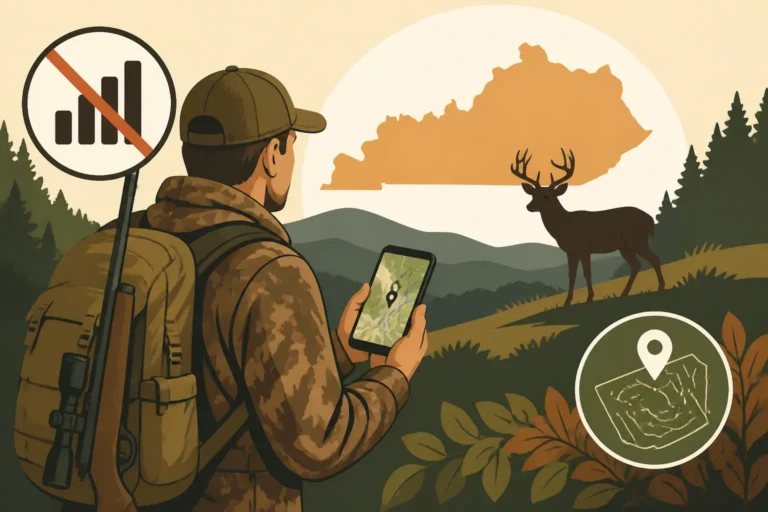
Before you even step foot on public land, good scouting can make or break your training session. This is where modern mapping applications really shine. Tools like onX Hunt or GoHunt allow you to visualize property boundaries, identify public versus private land, and scout terrain features from the comfort of your home. You can look for promising cover, water sources, natural funnels, or secluded areas that might be perfect for your specific training goals.
These apps often have layers that show topography, satellite imagery, and even recent timber cuts, which can reveal ideal habitat for the game your dog will be working. For example, you can use the satellite view to spot old logging roads for easy walking, identify thickets perfect for bird scent, or pinpoint ponds for water retrieves. Reading Aerial Photos for Eastern Kentucky Deer can give you an edge in understanding the lay of the land, even if you're training a bird dog. By using onX Hunt or GoHunt, you can drop pins at potential training spots, mark access points, and even track your movements during training sessions to review later. This pre-planning reduces wasted time and ensures you're training in the most effective and legal areas. Scouting Kentucky Public Land Before Season isn't just for hunters; it's invaluable for dog trainers too.
Troubleshooting Common Challenges
Even with the best planning, training a hunting dog on public land comes with its unique set of challenges. Being prepared for these can help you stay flexible and keep your training on track.
Dealing with Distractions and Wildlife Encounters
Public land is, by its very nature, full of distractions. You're likely to encounter other people, off-leash dogs (sometimes belonging to less-responsible owners), hikers, cyclists, and, of course, wild animals. For a hunting dog, the scent of a deer, a rabbit, or a wild turkey can be an overwhelming temptation. This is where consistent training and a strong recall become absolutely vital. Use these distractions as training opportunities. Can your dog hold a point when a squirrel runs past? Can they ignore another dog to retrieve a bumper?
When a strong distraction arises, such as a deer flushing, use your e-collar (if you've properly conditioned your dog to it) or a sharp, consistent verbal command to regain their focus. The goal isn't to punish the dog for being a dog, but to reinforce the idea that you are the most important focus, even when exciting things happen. Managing wildlife encounters also means knowing what to do if your dog corners a bear or other potentially dangerous animal. Keeping your dog under control is paramount for their safety and for avoiding conflicts with native wildlife.
Navigating Varying Terrain and Cover
Kentucky's public lands offer incredible diversity in terrain, from the rolling hills and river bottoms of the west to the rugged, steep mountains and dense forests of the east. This variation is fantastic for building a well-rounded hunting dog, but it also presents challenges. Thick briar patches, steep grades, rocky outcrops, and dense timber can be tough on paws and can make it difficult for your dog to move efficiently or for you to keep them in sight.
Ensure your dog's paws are conditioned for rough terrain; consider protective boots for especially rocky or thorny areas. Train them to navigate different types of cover safely. For example, teach them to "push through" thick brush rather than skirt around it, and to slow down on steep, uneven ground. Always carry a long lead for working in particularly dense cover where visual contact is limited, helping you guide them through tough spots. Knowing how to Reading a Ridge for Cumberland Deer can also inform where you might find less dense travel corridors for your dog.
Legalities of Training with Live Birds or Game
Training with live birds or game can provide invaluable, realistic experience for your hunting dog. However, there are specific legalities in Kentucky you must understand before doing so on public land. Generally, releasing live captive-reared birds (like pigeons, quail, or pheasants) for dog training is permissible on public lands in Kentucky, but there are often rules about the number of birds, tagging requirements, and avoiding hunting seasons for wild birds.
It's usually required that these birds be acquired from a licensed game bird propagator. You cannot simply catch wild birds for training purposes. Never release an exotic or non-native species that could establish a wild population, as this is illegal and harmful to native ecosystems. For actual game birds, ensure you're not training during the regular hunting season for that species if it could be mistaken for hunting. For instance, you can't be out in April with a shotgun and a dog "training" if that looks exactly like hunting wild turkeys during spring season. Always consult the most current KDFWR regulations specifically pertaining to "field trials" or "dog training with live birds" to ensure you are fully compliant. This helps maintain the integrity of hunting seasons and protects wild populations from unnecessary disturbance.
Disclaimer
This article is for general informational purposes only and does not constitute professional advice. Laws, prices and regulations vary by location and change over time. Consult a qualified professional for guidance on your specific situation.