Kentucky Wildlife Disease Monitoring
Kentucky wildlife disease monitoring tracks EHD and CWD threats to protect deer herds, elk, and wild turkey populations.
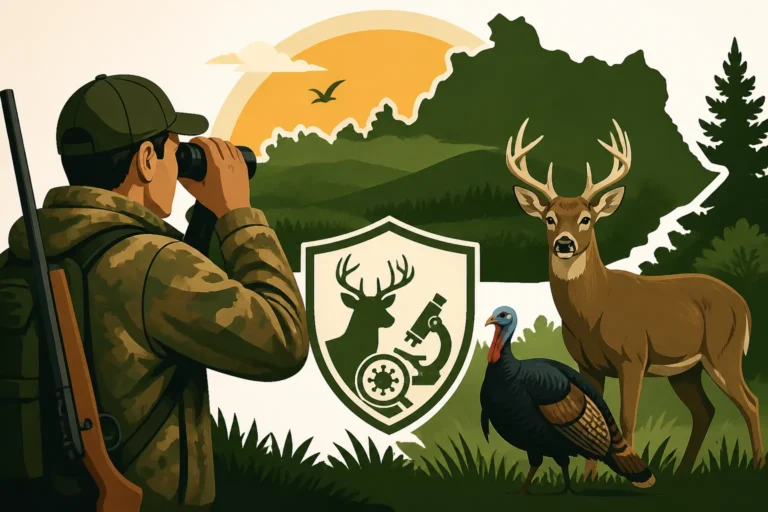
Kentucky wildlife disease monitoring tracks EHD and CWD threats to protect deer herds, elk, and wild turkey populations.
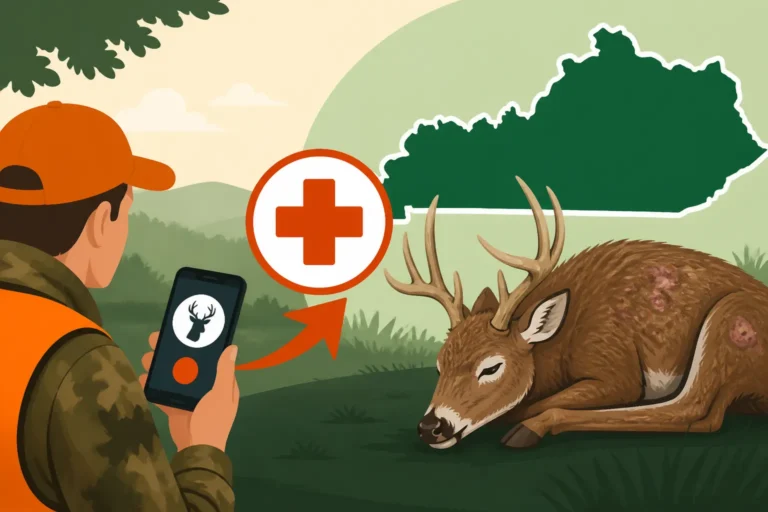
Reporting sick wildlife to the Kentucky Department of Fish and Wildlife Resources tracks diseases and protects public health.
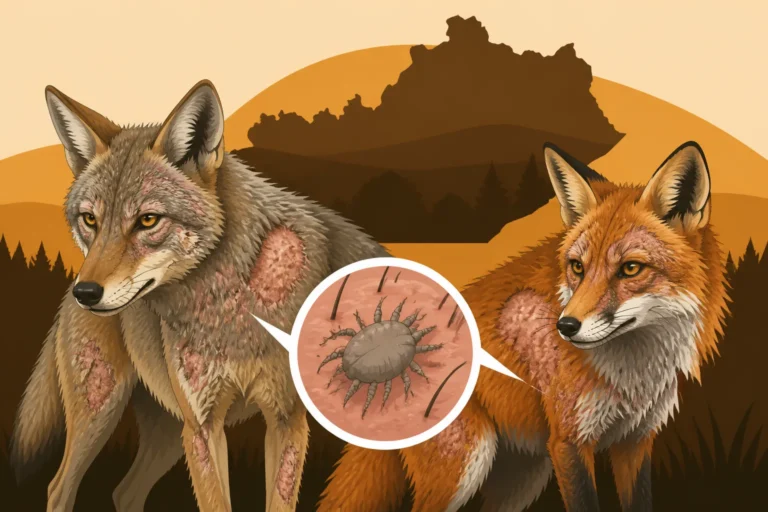
Sarcoptic mange in Kentucky coyotes and foxes causes severe hair loss through burrowing mites that spread between animals.
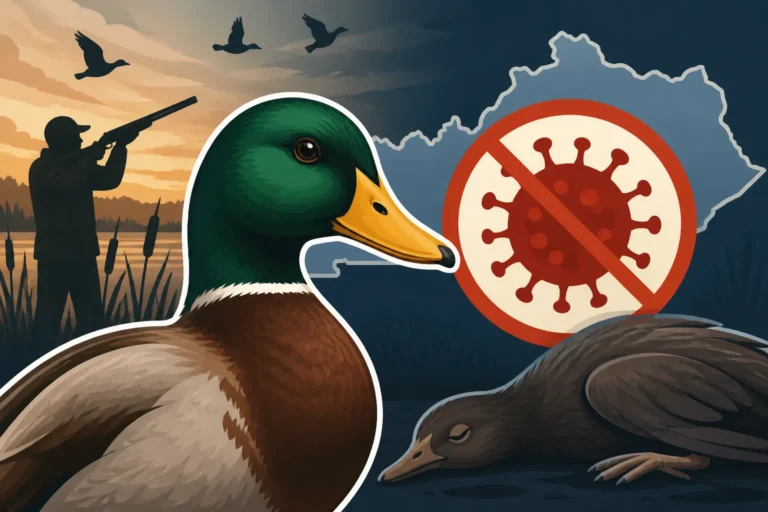
Avian Influenza in Kentucky birds explains virus strains, transmission through waterfowl, and safety guidelines for hunters.
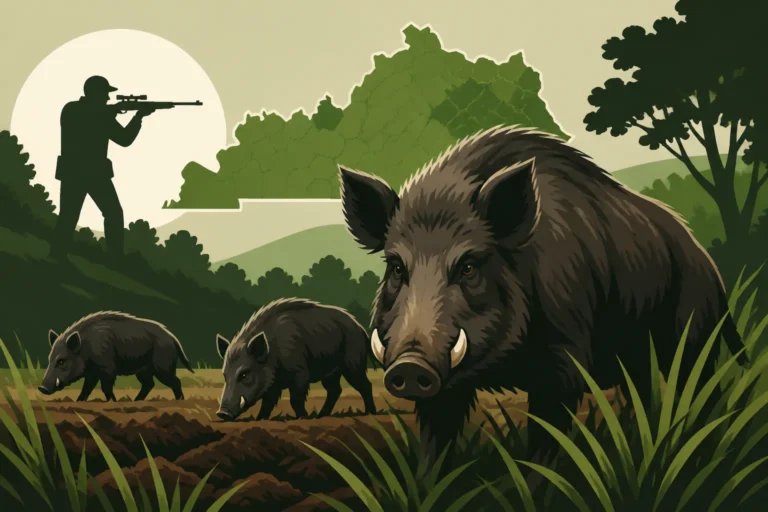
Feral swine sightings in Central Kentucky explain destructive animal behavior, rapid reproduction rates, and regional agricultural impacts.
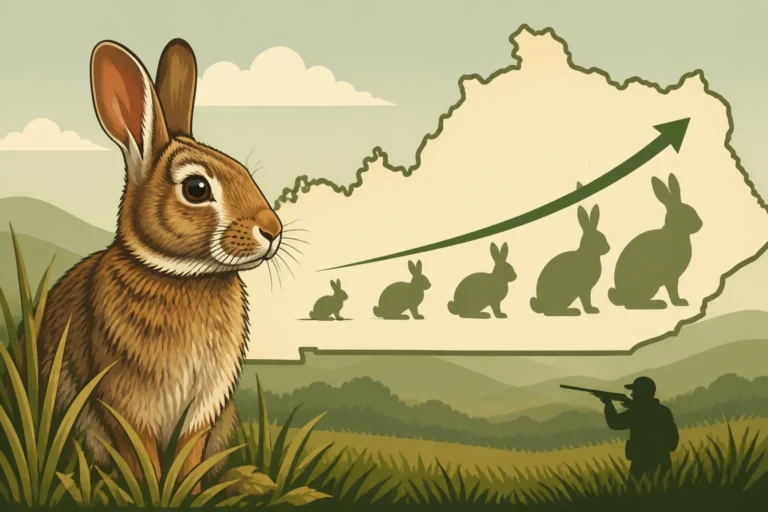
Kentucky cottontail population trends show a long-term decline caused by habitat loss, intensive agriculture, and urban development.
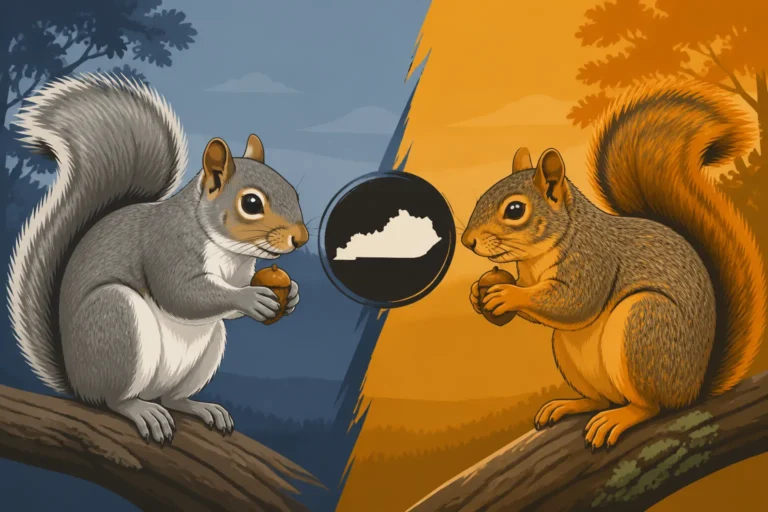
Kentucky gray and fox squirrels differ in size, coat coloration, facial markings, tree habits, and behaviors on the forest floor.
Kentucky squirrel harvest numbers provide statewide population estimates gathered through annual hunter surveys conducted by the KDFWR.
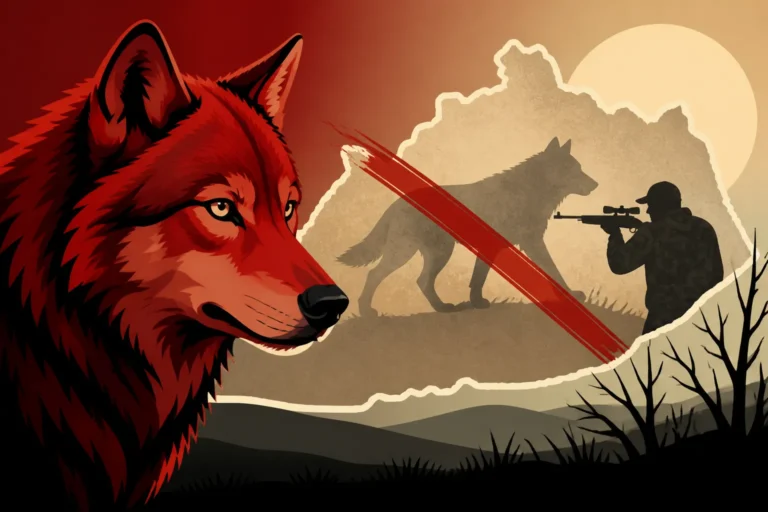
Red wolf history in Kentucky explains their historical range from the Cumberland Mountains to western rivers and the causes of their extirpation.
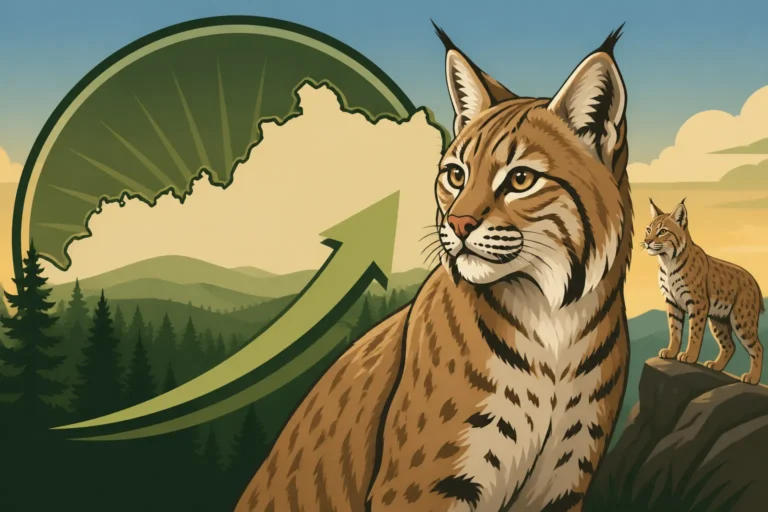
Kentucky bobcat populations are rebounding due to habitat regeneration, robust prey availability, and effective wildlife management.