Coyotes and Predators in Kentucky
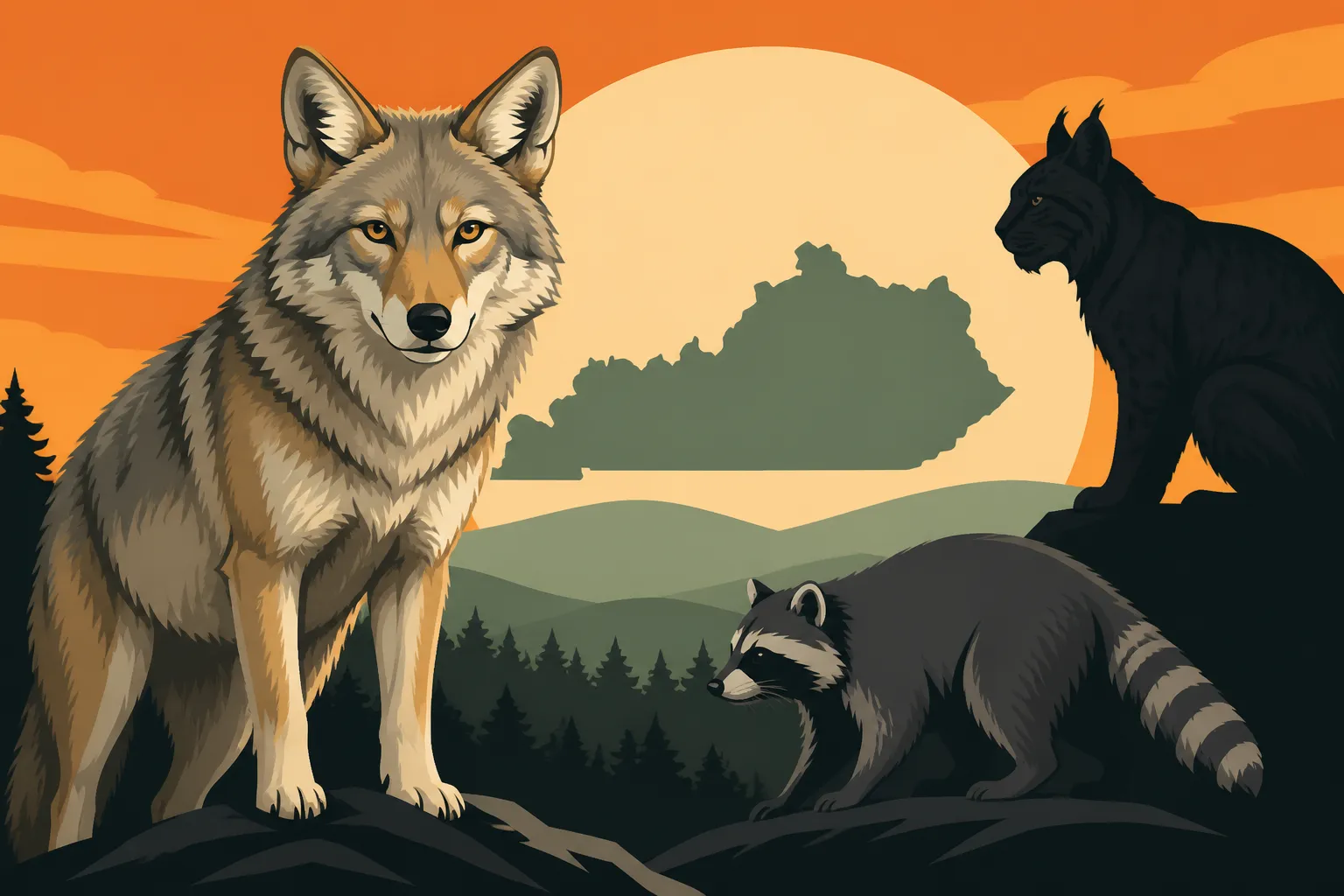
It can be incredibly frustrating to see your local deer and turkey populations seemingly dwindle, or to worry about the safety of your livestock and pets, and often, coyotes and other predators are the first suspects that come to mind. Whether you're a seasoned hunter, a landowner, or just someone who enjoys the Kentucky wilderness, understanding the role of predators in our ecosystem and how to manage their presence is crucial. This comprehensive guide will walk you through the world of coyotes, bobcats, bears, and foxes in Kentucky, covering their impact, hunting strategies, and ways we can all coexist with these often misunderstood animals.
Understanding Kentucky's Coyote Population
Kentucky, like much of the Eastern United States, has seen a significant increase in its coyote population over the past few decades. These highly adaptable canids have become an undeniable part of our wild landscape, influencing everything from local deer dynamics to the behavior of smaller furbearers. Their presence sparks a lot of conversation among hunters and landowners alike, and for good reason—they're smart, resourceful, and capable predators.
The Arrival and Expansion of Coyotes in Kentucky
Unlike some of our native species, coyotes weren't historically a prominent fixture in Kentucky. Their journey eastward began as early as the late 19th and early 20th centuries, primarily as they expanded their range from the western plains. This expansion was largely facilitated by the removal of larger predators like wolves, which historically kept coyote numbers in check, and by changes in land use that created ideal fragmented habitats. As forests were cleared for agriculture and human settlements, it created a mosaic of open fields, brushy edges, and woodlots—perfect cover and hunting grounds for coyotes. They are incredibly opportunistic, thriving in areas where other species struggle, from remote wilderness to suburban fringes. Today, you'd be hard-pressed to find a county in Kentucky that doesn't host a healthy population of coyotes. They’ve proven their resilience, navigating human development and establishing themselves as apex predators in many areas.
Their ability to adapt quickly to new food sources and environments has been key to their success. Whether it's deer fawns, rabbits, rodents, or even agricultural waste and domestic animals, coyotes are not picky eaters. This dietary flexibility allows them to sustain their numbers even when primary prey sources fluctuate, making them a consistent presence across the state. This westward expansion phenomenon is a fascinating study in wildlife ecology, demonstrating how changes in one part of the ecosystem can have ripple effects across an entire continent.
Coyote Behavior and Adaptations
Coyotes are incredibly intelligent and socially complex animals, generally living in family units or small packs. While they can be active at any time, they are often most active during dawn and dusk. Their communication is intricate, involving a range of yips, howls, and barks, which they use to communicate with other pack members, establish territory, and locate each other. These vocalizations are often what first alert people to their presence, especially during the breeding season in late winter and early spring, or when young coyotes are learning to vocalize in the summer.
Their physical adaptations are equally impressive. Coyotes possess keen senses of sight, smell, and hearing, making them formidable hunters. They can run at speeds up to 40 miles per hour and have incredible endurance, allowing them to chase down prey over long distances. Their fur coloration, typically grizzled gray or reddish-brown with a lighter belly, provides excellent camouflage in Kentucky's varied landscapes, from dense woodlands to open fields. Their intelligence also plays a significant role in their survival; they learn quickly from experiences, making them challenging for hunters and trappers to consistently outsmart. Many hunters can attest to a coyote seeming to disappear into thin air the moment you turn your head, only to reappear moments later far from where you expected.
The Impact of Coyotes on Kentucky's Ecosystem
The presence of a thriving coyote population naturally raises questions about their impact on other wildlife, particularly cherished game species. Coyotes are efficient predators of white-tailed deer fawns and wild turkey poults, especially during nesting and fawning seasons. While a healthy, robust deer herd can often withstand some level of fawn predation, high coyote densities in combination with other factors can certainly impact local deer recruitment. This is a common concern among hunters when discussing the overall Kentucky Deer Population Estimate.
Beyond deer and turkey, coyotes also prey on a variety of smaller mammals like rabbits and rodents, and birds. While this can sometimes be perceived negatively, it's also important to remember that they play a crucial role in maintaining ecological balance by culling sick or weak animals, thereby strengthening prey populations over time. However, their opportunistic nature also means they can shift their diet to whatever is most available, including livestock like sheep and calves, or even domestic pets, especially in more rural or suburban interface areas. The Kentucky Department of Fish and Wildlife Resources (KDFWR) monitors these impacts closely, understanding that a balanced ecosystem requires managing all components.
Hunting and Trapping Coyotes in Kentucky
For many Kentucky hunters, coyotes represent both a challenge and an opportunity. They offer a thrilling pursuit and can also serve as a form of predator management, potentially aiding local game populations. Unlike many other game animals, coyotes in Kentucky have a year-round, statewide open season, with no bag limits, reflecting the KDFWR's stance on managing their growing numbers.
Legal Seasons and Regulations for Coyote Hunting
The beauty of hunting coyotes in Kentucky is the lack of a closed season. You can pursue them any time of year, day or night, which makes them a fantastic target when other seasons are closed. There are, however, specific rules to be aware of, especially regarding night hunting and the use of certain equipment. While legal firearms for deer hunting might be common, you'll need to check specific regulations for night hunting, which often require special permits for certain light sources or thermal/night vision optics. This aligns with the specific rules for Night Hunting Rules for Kentucky Coyotes.
During deer or turkey seasons, if you're out pursuing those animals, you can take coyotes as incidental harvest, provided you're following all other regulations for that specific game season. It's always a good practice to review the most current KDFWR regulations pamphlet each year, as rules can sometimes change. Remember that possessing a valid Kentucky hunting license is always required, even for species with year-round seasons.
Effective Coyote Hunting Techniques
Hunting coyotes effectively requires a blend of stealth, patience, and often, calling skills. There are several popular methods, each with its own nuances and challenges:
- Calling: This is arguably the most popular and exciting method. Using electronic calls or mouth calls to mimic distress sounds (rabbit, fawn, bird) or coyote vocalizations (howls, barks) can draw coyotes in. Success often depends on wind direction, stand placement, and calling sequence. Setting up in an area with good visibility downwind is crucial, as coyotes often circle to approach from downwind to use their superior sense of smell. I've had incredible success calling coyotes in on clear, still mornings in January, especially if there's a fresh blanket of snow, making tracks easy to read and animals more visible. A good mapping app, like those offered by GoHunt, can help you scout and pinpoint perfect calling setups, showing you terrain features and wind direction to optimize your chances.
- Spot and Stalk: In more open terrain, like Western Kentucky bottomland fields or reclaimed mine lands, spotting coyotes from a distance and then carefully stalking within shooting range can be productive. Quality optics are key here.
- Ambush Hunting: Identifying common travel corridors, pinch points, or food sources (like recent deer gut piles or carcass dumps) and setting up an ambush can work well. This is often combined with calling.
- Incidental Harvest: As mentioned, many coyotes are taken by hunters targeting deer, turkey, or small game. Having your rifle ready, or even carrying a small caliber handgun, can lead to unexpected opportunities.
No matter the method, scent control, camouflage, and remaining absolutely still are paramount. Coyotes have an uncanny ability to detect even the slightest movement or human odor.
Trapping Coyotes for Management
For landowners experiencing significant depredation issues or those interested in furbearer management, trapping offers an effective method for controlling coyote numbers. Trapping requires specialized knowledge, equipment, and strict adherence to regulations. In Kentucky, furbearer trapping seasons are regulated, and those interested in Trapping Kentucky Furbearers should consult the KDFWR guide for specific dates, legal trap types, and reporting requirements.
Common trap types for coyotes include foot-hold traps (often coil-spring or long-spring) and snares. Proper trap placement, camouflage, and scent control are absolutely critical for success, as coyotes are notoriously trap-shy. Trappers often employ various lures and baits to attract coyotes to their sets. Trapping can be a very efficient way to remove specific problem animals or to reduce local populations, offering a more consistent take than hunting alone, especially in areas with dense cover. It's a skill that takes time and dedication to master, but for many, it's a vital tool in their wildlife management toolbox.
Other Significant Predators in Kentucky
While coyotes often dominate the conversation, Kentucky is home to several other fascinating predator species, each playing a unique role in the ecosystem. Understanding these animals—their populations, behaviors, and management—adds another layer to our appreciation of Kentucky's diverse wildlife.
Kentucky's Recovering Bobcat Population
Bobcats are a true success story in Kentucky. Once nearly extirpated from the state due to habitat loss and unregulated hunting, these secretive felines have made a remarkable comeback thanks to conservation efforts and reintroduction programs. Today, their population is stable and widespread, particularly in the rugged, forested regions of Eastern Kentucky and areas with good mixed habitat. Hunters pursuing Grouse and Small Game Hunting in Kentucky often report seeing them or their tracks.
Bobcats are highly efficient predators, primarily preying on rabbits, rodents, and birds, but they are also known to take fawns, especially during the spring. They are generally solitary animals, masters of camouflage, and primarily nocturnal or crepuscular (active at dawn and dusk). While their presence is exciting, they are notoriously difficult to spot, let alone hunt. Kentucky does have a regulated bobcat hunting and trapping season, often in the late fall and winter, providing opportunities for those interested in pursuing these elusive furbearers. The KDFWR carefully monitors their population to ensure sustainable harvest levels. For more in-depth information, you can read about Kentucky's Recovering Bobcat Population.
The Presence and Management of Black Bears
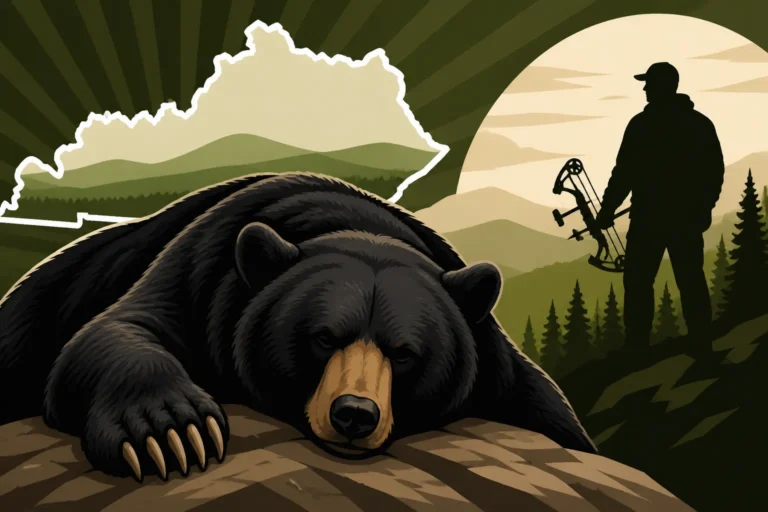
For many years, the sight of a black bear in Kentucky was a rare event, mostly limited to transient individuals wandering in from neighboring states. However, Kentucky now boasts a thriving and growing black bear population, primarily concentrated in the mountainous eastern counties, expanding from areas like the Daniel Boone National Forest. This resurgence is another testament to successful conservation and habitat recovery. You can learn more about Kentucky's Black Bear Population.
While black bears are omnivores, their diet consists primarily of berries, nuts, insects, and vegetation. They are opportunistic, however, and will readily consume carrion, small mammals, and, occasionally, livestock or garbage if accessible. Their predatory instincts are usually focused on weaker or smaller animals. The KDFWR actively manages the bear population through a combination of research, habitat protection, and a highly regulated hunting season. Bear hunting in Kentucky is typically done through a limited quota system, ensuring a sustainable harvest and promoting human-bear coexistence. Hunters in the bear zones, particularly in southeastern Kentucky, need to be mindful of baiting rules and other specific regulations for Hunting Kentucky's Bear Zone System.
Foxes: Red and Gray in Kentucky
Kentucky is home to two species of fox: the red fox and the gray fox. Both are smaller predators than coyotes or bobcats, but they play important roles in controlling rodent populations and scavenging.
- Red Foxes: These iconic canids are generally found in more open, agricultural landscapes and suburban areas. They are highly adaptable and known for their cunning. Red foxes primarily hunt rabbits, mice, and voles, but will also eat birds, insects, and fruits. They often have a reputation for preying on poultry, which can be a point of contention for rural residents.
- Gray Foxes: Preferring dense woodlands and brushy cover, gray foxes are unique among canids for their ability to climb trees, a valuable adaptation for escaping predators or reaching den sites. Their diet is similar to red foxes, with a strong preference for small mammals and insects.
Both fox species are important furbearers and can be hunted and trapped during designated seasons in Kentucky, typically running through the fall and winter months. Their populations are generally healthy, though habitat fragmentation and competition with coyotes can sometimes impact local numbers. Their presence adds another layer to the complex predator-prey dynamics across the state.
The Impact of Predators on Game Species
The relationship between predators and prey is a dynamic one, constantly in flux and influenced by a multitude of factors. For hunters and wildlife enthusiasts, understanding this relationship, particularly how coyotes and other predators affect game species, is paramount to appreciating the nuances of wildlife management in Kentucky.
Coyote Predation on Deer and Turkey
It's no secret that coyotes consume deer and turkey. Specifically, fawn predation by coyotes is a well-documented phenomenon. During the spring fawning season, young fawns are vulnerable, and coyotes are keenly aware of this window of opportunity. Does often leave their fawns bedded alone for extended periods, relying on the fawn's natural camouflage and lack of scent to protect them. However, a searching coyote with a keen nose can certainly locate and prey upon these vulnerable youngsters. The impact on the Kentucky Deer Herd Size can be localized and depends on several factors, including the density of both coyotes and deer, habitat quality, and the overall health of the deer herd. In some areas, high fawn mortality due to predation can indeed slow deer population growth.
Similarly, wild turkey poults are susceptible to coyote predation, especially in their early weeks of life. Turkey hens try their best to hide their nests and broods, but opportunistic coyotes, along with raccoons, opossums, and skunks, will readily raid nests or snatch poults. This can directly influence the Poult-to-Hen Ratios and What They Mean for overall turkey recruitment. While it's easy to point the finger solely at coyotes, it's crucial to remember that a healthy, well-managed habitat that provides ample escape cover for fawns and poults, along with a robust prey base, helps mitigate the overall impact of predation.
Managing Predator Impact on Small Game
Beyond deer and turkey, coyotes and foxes are also significant predators of small game species like rabbits and quail. Kentucky's Rabbit Hunting Thick Kentucky Brush often means navigating areas where coyotes also hunt. In areas where small game populations are already struggling due to habitat loss or other factors, increased predator pressure can exacerbate declines. This is a concern for species like the Bobwhite Quail, which have seen significant declines over the decades due to habitat changes, making them more vulnerable to predation.
Wildlife managers often emphasize a holistic approach to supporting small game, focusing on habitat improvements that provide dense cover, nesting sites, and diverse food sources. When habitat is robust, small game can often withstand natural predator cycles. However, in fragmented or degraded landscapes, predator control, sometimes through hunting or trapping, can become a tool in a broader strategy to help struggling small game populations rebound. For hunters who enjoy Grouse and Small Game Hunting in Kentucky, predator awareness is just part of the game.
Balancing Predator Control with Ecosystem Health
The discussion around predator management often sparks passionate debate. On one side are those advocating for aggressive predator control to boost game populations or protect livestock. On the other are those who emphasize the ecological role of predators and caution against indiscriminate killing. The truth, as often happens, lies somewhere in the middle. Predators are a natural and integral part of any healthy ecosystem. They help maintain balance by removing sick, weak, or old individuals, which can improve the overall genetic health and vigor of prey populations. They also prevent overpopulation of certain species, which can lead to habitat degradation.
The goal of responsible predator management isn't eradication, but rather to achieve a balance that allows for healthy populations of both predators and prey, while also addressing legitimate human-wildlife conflicts. This might involve localized, targeted efforts to reduce coyote numbers in specific areas experiencing high fawn mortality or livestock depredation, rather than a broad, sweeping approach. The KDFWR employs science-backed strategies to ensure any management actions contribute to overall ecosystem health.
Coexisting with Kentucky's Predators
As human populations expand and our footprint on the landscape grows, encounters with wildlife, including predators, become more common. Learning to coexist peacefully and safely with Kentucky's diverse predator population is an increasingly important skill for all residents, not just hunters.
Protecting Livestock and Pets from Predators
For farmers and rural homeowners, the threat of livestock or pet depredation by coyotes, and occasionally bears or foxes, is a very real concern. Proactive measures are often the most effective way to prevent these conflicts.
- Secure Fencing: For livestock, especially sheep, goats, or poultry, strong, woven wire or electric fencing can be highly effective. Burying the bottom of fences can prevent coyotes from digging underneath. Regular maintenance is crucial to ensure there are no weak points.
- Night Confinement: Bringing small livestock and pets into secure pens or barns at night greatly reduces their vulnerability. Coyotes are often most active during low-light hours.
- Guard Animals: Livestock guardian dogs, such as Great Pyrenees or Anatolian Shepherds, are bred to protect flocks and can be a powerful deterrent against predators. Llamas and donkeys can also be effective guardians in certain situations.
- Remove Attractants: Store pet food, garbage, and compost in secure, predator-proof containers. Don't leave pet food outside overnight. Clean up fallen fruit from trees. These attractants can draw coyotes and bears into residential areas.
- Supervise Pets: Keep dogs on a leash, especially during dawn and dusk, and never let cats roam freely, particularly in areas known to have coyotes. A small pet can easily become prey.
Taking these steps can significantly reduce the likelihood of a negative encounter, allowing both humans and wildlife to share the landscape with fewer conflicts.
Understanding Predator Encounters in the Wild
Encountering a predator in the wild can be a thrilling or sometimes unnerving experience. Most predators, including coyotes, bobcats, and bears, are naturally wary of humans and will typically avoid contact. However, understanding how to react if an encounter does occur is important for safety.
- Give Them Space: The most important rule is to never approach a wild animal, especially a predator. Give them a wide berth and respect their space.
- Make Noise and Look Big: If a coyote or bear does not immediately flee, make loud noises (yell, clap hands) and make yourself appear as large as possible. Wave your arms, stand tall. This often convinces the animal that you are not prey.
- Never Run: Running can trigger a chase response in many predators. Instead, back away slowly while maintaining eye contact.
- Protect Pets and Children: If you have children or pets with you, keep them close and pick up small children.
- Carry Bear Spray: In areas with known bear activity, carrying bear spray and knowing how to use it is a wise precaution. Bear encounters Around Eastern Kentucky Cabins are becoming more common.
Most encounters are brief, with the animal quickly disappearing. These animals are generally more afraid of you than you are of them, and understanding their natural behavior helps maintain a healthy respect for wildlife.
Reporting Predator Sightings and Concerns
The Kentucky Department of Fish and Wildlife Resources relies on public input and sightings to monitor wildlife populations and address conflicts. If you experience repeated issues with predators on your property, witness unusual behavior, or have concerns about an animal that appears sick or injured, it's important to report it.
You can contact your local KDFWR conservation officer or the KDFWR main office. Provide as much detail as possible about the location, time, and nature of the sighting or incident. This information helps wildlife biologists track movements, identify problem areas, and develop targeted management strategies. Never attempt to confront or capture a wild predator yourself, especially if it appears injured or aggressive. Leave that to trained professionals. Proper reporting is a cornerstone of responsible wildlife management in the Commonwealth.
Gear and Tactics for Predator Hunters
Successfully hunting coyotes and other furbearers in Kentucky hinges on having the right gear and understanding the tactics that exploit their behaviors and senses. It's a game of wits, and being well-prepared significantly ups your odds.
Essential Calling Gear for Coyotes
Calling is the bread and butter for many successful coyote hunters. Your choice of calls can make or break a hunt.
- Electronic Calls: These are incredibly versatile, offering a wide array of distress sounds (rabbit, bird, fawn, rodent squeaks) and coyote vocalizations (howls, barks, pup distress). Brands like Foxpro and Lucky Duck are popular for their realism and volume. The ability to control volume and switch sounds remotely is a huge advantage, allowing you to fine-tune your approach without moving. Many hunters swear by a distressed rabbit sound as a go-to, but varying your sequence and volume, especially in areas with pressured coyotes, can be key.
- Mouth Calls: For those who prefer a more hands-on approach, mouth calls—including open reeds, closed reeds, and howlers—are essential. They require practice but offer unmatched realism and the ability to instantly adapt sounds. Learning to use a howler effectively can draw in distant coyotes looking for a fight or a mate. For more tips on Rattling Volume in Thick Cover or Coyote Calling in Kentucky Farm Country, consider practicing various techniques.
- Decoys: A simple motion decoy, like a small faux fur flag or a spinning wing decoy, can draw a coyote's attention away from you and towards the perceived "prey," especially as they close the distance. This helps keep their focus off your setup, allowing for a better shot opportunity.
Beyond calls, a good pair of binoculars, like an 8x or 10x magnification, is invaluable for spotting approaching coyotes before they spot you. A rangefinder is also useful for confirming distances, as coyotes can appear closer or further than they actually are due to their size and speed.
Optics and Firearms for Predator Hunting
When it comes to putting down a coyote, precision is paramount. You need to be able to make a clean, ethical shot, often under varying conditions.
- Rifles: A flat-shooting, accurate rifle is ideal. Common calibers for coyotes in Kentucky include .223 Remington, .22-250 Remington, and .204 Ruger. These calibers offer good ballistic performance, minimal recoil, and are typically very accurate. For mixed hunting situations, a .243 Winchester or even a .308 Winchester can work, especially if it's the same rifle you use for deer. Remember to check Kentucky Legal Firearms for Deer Hunting as a reference for legal calibers in general. A good rifle scope with sufficient magnification (e.g., 3-9x or 4-12x) and decent low-light gathering capabilities is crucial, as coyotes are often active at dawn and dusk. For night hunting, special thermal or night vision optics, used in accordance with KDFWR regulations, are often necessary.
- Shotguns: While not the primary choice for long-range calling, a shotgun loaded with buckshot or heavy coyote-specific loads can be effective in thick cover or at closer ranges, especially when hunting at night or on drives. Pattern your shotgun beforehand to know its effective range and spread with your chosen ammunition.
- Handguns: Some hunters carry a handgun, like a .22LR or .22 Magnum, for close-range opportunities, particularly if they are primarily bowhunting or still-hunting for other species and don't want to carry a full-size rifle.
No matter your firearm choice, practicing your shooting from various positions and knowing your effective range for a clean kill is critical.
Scouting and Setup for Success
Coyote hunting success often begins long before you ever make a call. Thorough scouting and strategic setup are essential.
- Reading the Landscape: Coyotes utilize terrain to their advantage. Look for natural funnels, pinch points, creek bottoms, and ridge tops that coyotes might travel. Logging roads, field edges, and brush lines are also prime locations. Using mapping tools, such as those found on GoHunt, can help identify these features, show you access points, and even reveal bedding areas or den sites (though you should avoid disturbing dens). Pay attention to recent activity—tracks, scat, and fresh kills are all indicators of coyote presence.
- Wind Direction is King: Coyotes rely heavily on their sense of smell. Always set up so the prevailing wind is blowing from the direction you expect coyotes to approach, towards you, or parallel to your position. Never let the wind blow your scent into the area you are calling into. Check the wind constantly, as it can shift unexpectedly.
- Concealment and Cover: Coyotes have excellent eyesight. Choose a setup that provides good concealment, ideally with a backdrop that breaks up your silhouette. A ground blind, a dense thicket, or even a large tree can provide adequate cover. Remain absolutely still once you start calling; even small movements can spook an incoming coyote. Consider a comfortable seat or cushion for longer sits.
Knowing where to hang a camera on a logging road can reveal consistent coyote travel patterns, helping you pinpoint future stand locations.
By combining diligent scouting with the right gear and tactics, you'll greatly improve your chances of success and gain a deeper appreciation for the intelligence and adaptability of Kentucky's coyotes.
Future of Predator Management in Kentucky
The landscape of wildlife management is never static, and predator management in Kentucky is no exception. As populations of both predators and prey shift, and as human interactions with wildlife become more frequent, the strategies employed by the Kentucky Department of Fish and Wildlife Resources continue to evolve.
KDFWR's Approach to Predator Management
The KDFWR operates under a mandate to manage all of Kentucky's wildlife resources for the benefit of current and future generations. Their approach to predator management is typically science-based and data-driven, rather than emotionally driven. This means closely monitoring predator populations through various surveys, harvest reports, and research projects. For instance, understanding Kentucky Coyote Range and Density is crucial for making informed decisions.
The KDFWR recognizes the ecological importance of predators in maintaining healthy ecosystems. Therefore, their strategy often focuses on balancing predator numbers with prey populations and addressing specific human-wildlife conflicts rather than attempting broad-scale eradication. This often includes public education initiatives to help people coexist with predators, providing resources for preventing depredation, and allowing for regulated hunting and trapping seasons to help manage populations. The agency constantly evaluates data on game species like deer and turkey, along with predator trends, to determine if specific management interventions are necessary in certain areas. This might include liberalizing harvest limits or seasons if a predator population is deemed to be having an undue negative impact on a struggling prey species.
Hunter's Role in Population Control
Hunters and trappers play a vital, often understated, role in predator management in Kentucky. By participating in regulated hunting and trapping seasons, they contribute directly to population control efforts. For species like coyotes, which have year-round seasons and no bag limits, hunters effectively act as frontline managers, particularly in localized areas where high coyote densities might be impacting deer fawn survival or causing livestock issues.
Beyond the harvest itself, hunters also provide invaluable data to the KDFWR through harvest reporting and anecdotal observations from the field. This ground-level information helps biologists understand population trends and distribution. Additionally, by understanding and respecting ethical hunting practices, hunters ensure that predator management is conducted responsibly. The pursuit of predators, whether for sport, fur, or management, offers a unique opportunity to engage deeply with the ecosystem and contribute to its overall health. For new hunters, understanding Kentucky Hunter Education Requirements is the first step, ensuring responsible and ethical participation in all hunting activities.
Disclaimer
Please note that hunting regulations, seasons, and licensing requirements can change. Always consult the most current Kentucky Department of Fish and Wildlife Resources (KDFWR) hunting and trapping guide before engaging in any hunting or trapping activities. This information is for general guidance only and does not constitute legal advice. Adherence to all state and federal laws is the responsibility of the individual hunter or trapper.