Kentucky Elk Zone Nonresident Eligibility
It's incredibly frustrating when you dream of hunting Kentucky's majestic elk, only to find the application process for nonresidents feels like navigating a dense thicket without a compass. Every state seems to have its own labyrinth of rules, and Kentucky is no exception. This comprehensive guide will meticulously walk you through all the ins and outs of nonresident eligibility for Kentucky's highly sought-after elk quota hunts, ensuring you understand exactly what it takes to join the ranks of those chasing a Bluegrass State bugle.
Understanding Kentucky's Elk Restoration Program and Zones
Before we dive into the nitty-gritty of nonresident eligibility, it's really helpful to grasp why Kentucky even has an elk herd and how its management system works. Kentucky boasts the largest elk herd east of the Mississippi River, a truly incredible conservation success story. Once extirpated from the state, elk were reintroduced starting in 1997, and the herd has flourished, primarily in the rugged, reclaimed strip mine lands and timbered hills of the southeastern part of the state. This remarkable achievement has led to a highly anticipated annual hunting season, but with great success comes intense demand.
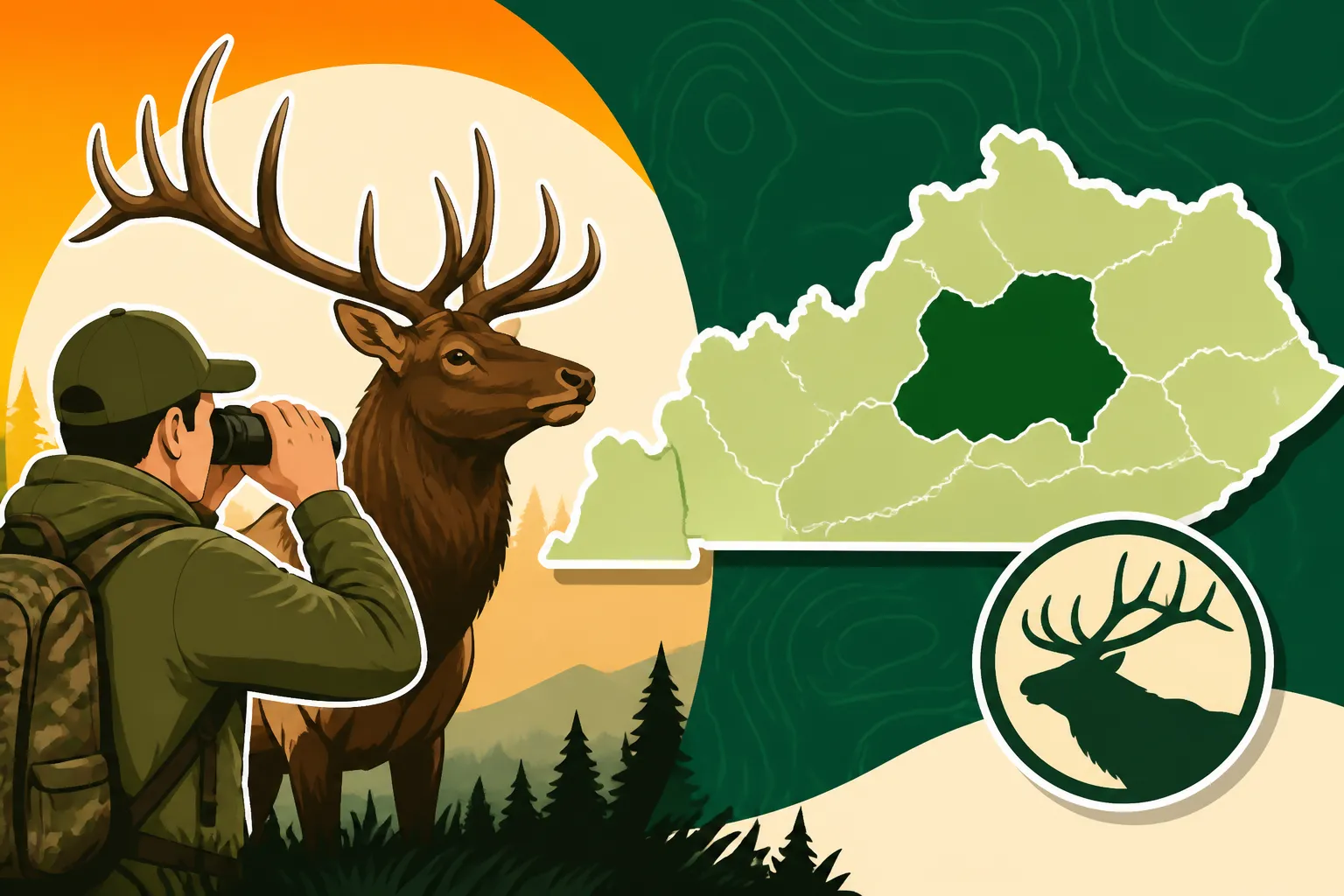
The state is divided into specific Elk Hunting Units (EHUs), which concentrate the hunting pressure and management efforts within the primary elk restoration zone. These units are carefully monitored by the Kentucky Department of Fish and Wildlife Resources (KDFWR) to maintain a healthy and sustainable population while providing hunting opportunities. Understanding these zones and the history behind them helps put into perspective the value and scarcity of an elk permit, particularly for those coming from out of state.
A Brief History of Kentucky's Elk Herd
Kentucky's elk journey is a testament to dedicated conservation efforts and the resilience of wildlife. After being wiped out in the 19th century, Kentucky began reintroducing elk from Western states like Kansas, North Dakota, Utah, and Arizona. The initial releases focused on the eastern coalfields, an area with ample habitat and relatively low human population density. Fast-forward to today, and the herd has grown significantly, exceeding 10,000 animals at its peak. This success story is why so many hunters from across the country now cast their eyes toward Kentucky for an elk hunting experience. The herd's growth has allowed for an annual quota hunt system, designed to manage herd numbers and provide recreational opportunities. It’s truly a remarkable testament to what focused wildlife management can achieve, turning a dream into a reality for many hunters.
Navigating Kentucky's Elk Hunting Units
Kentucky's elk restoration zone isn't just one giant hunting area; it's carved up into specific Elk Hunting Units (EHUs). Currently, there are seven distinct units, although not all are open for hunting every year, or they might have different quotas. Each EHU has its own unique characteristics, from dense timber to open reclaimed fields, impacting how you might approach a hunt. For instance, some units might favor calling tactics in thick cover, while others lend themselves more to glassing vast open areas. While the general rules for applying are statewide, knowing which counties fall inside the Elk Zone and understanding the terrain of specific EHUs can significantly influence your pre-application strategy and your hunt planning if you're lucky enough to draw a tag. Familiarizing yourself with these geographical distinctions is a critical step for any nonresident considering an application, as it helps tailor your expectations and scouting efforts.
Nonresident Elk Hunt Permit Application Requirements
Okay, let's get down to the core question: what do nonresidents actually need to do to apply for a Kentucky elk hunt permit? It’s not as simple as showing up and buying a tag over the counter; it’s a competitive draw, and there are specific steps you must follow to even be considered. The KDFWR wants to ensure that everyone applying meets the basic legal requirements before they're entered into the lottery for these highly coveted permits. Missing just one step can disqualify your application, which would be a real heartbreak after all the anticipation.
Essential Licenses and Permits for Nonresidents
First and foremost, to apply for any elk quota hunt in Kentucky as a nonresident, you must purchase a valid Kentucky Nonresident Annual Hunting License. This is your baseline requirement, your ticket to even enter the drawing. Think of it as purchasing the right to play the game. In addition to the annual hunting license, nonresidents must also purchase a Kentucky Nonresident Elk Permit. This permit is what actually gives you an entry into the drawing for one of the limited elk tags. Without both of these items, your application won't even be processed.
It’s crucial to understand that purchasing these doesn't guarantee you an elk tag; it merely qualifies you to participate in the drawing. Many nonresidents find keeping track of Kentucky's specific elk regulations and application periods can be streamlined using the comprehensive tools available on platforms like GoHunt, which often have state-specific application guides. The application window is typically in the spring, so you'll want to mark your calendar early to ensure you don't miss the deadline. Double-checking the current year's dates on the KDFWR website is always the safest bet.
Eligibility Criteria and Restrictions
Beyond the required licenses and permits, there are a few other eligibility factors that nonresidents need to be aware of. Generally, anyone 16 years of age or older can apply, but age minimums for hunting vary by specific weapon types and supervision requirements. Kentucky has apprentice hunter license rules that allow new hunters to get started, but for elk, most nonresidents will be seasoned hunters applying on their own.
One of the most significant restrictions for nonresidents is the sheer competition. Kentucky issues a limited number of elk permits each year, and a substantial majority of these are allocated to Kentucky residents. This means the draw odds for nonresidents are considerably tougher. While the specific number changes annually based on herd management goals, nonresidents typically compete for a much smaller percentage of the total permits. For example, out of the five hundred elk permits that draw so many applicants, only a small fraction will go to nonresidents. There are also specific rules about permit types (e.g., bull firearm, cow firearm, either-sex archery/crossbow), and nonresidents can apply for any of these, but again, the nonresident draw odds will be lower across the board. Ensure you understand the differences between these permits and apply for the one that best suits your hunting preference and strategy.
Navigating the Application Process and Draw Odds for Nonresidents
Applying for a Kentucky elk permit isn't just about paying the fees; it's about strategizing and understanding the system. Many nonresidents, myself included, spend countless hours poring over draw odds and looking for any edge they can get. It's a high-stakes game for a coveted tag, and knowing how the system works is half the battle. This part of the process often causes the most anxiety, especially when you consider the investment in time and money.
Step-by-Step Application for Nonresidents
The application process is entirely online through the KDFWR's official website. This usually opens in late spring and closes around April 30th. Here's a general breakdown of the steps for a nonresident:
- Purchase Your Licenses: First, you’ll need to buy your annual Kentucky Nonresident Hunting License. Following that, purchase the specific Kentucky Nonresident Elk Permit. Both are required before you can even access the elk draw application.
- Access the Online Application: Once you have your licenses, navigate to the KDFWR's elk quota hunt application portal. You'll typically log in using your customer ID.
- Select Your Permit Type: You'll be asked to choose which type of elk permit you want to apply for. This could be a bull firearm, cow firearm, or an either-sex archery/crossbow permit. Be absolutely sure of your choice, as you can only apply for one. Understanding the Bull, Cow and Either-Sex Elk Permit Types is crucial here.
- Confirm Information: Double-check all your personal information and ensure it matches your license details. Any discrepancies could invalidate your application.
- Submit and Pay (if applicable): While the permit fee is paid upfront, some states have additional small application fees. Kentucky rolls the application fee into the permit cost. Once submitted, you should receive a confirmation number. Keep this safe!
Many nonresidents turn to resources like GoHunt to analyze draw odds and strategize their application across multiple states, making sure they understand all the nuances of applying for a Kentucky Elk Quota Hunt. They provide excellent insights into the Kentucky Elk Application Window Dates and help break down the complexities.
Understanding Nonresident Draw Odds and Preference Points
This is where the rubber meets the road for nonresidents. Kentucky’s elk draw is famously tough, and for nonresidents, it's even more challenging due to the limited quota. While Kentucky does have a preference point system, it's not quite the same as some Western states where nonresidents have a separate, more favorable pool or a set percentage of tags.
In Kentucky, every year you apply and are unsuccessful, you accrue a preference point. These points increase your odds of drawing a tag in subsequent years, but they don't guarantee a tag. Essentially, applicants with more preference points have their names entered into the lottery more times than those with fewer points. For example, if you have five preference points, your name might be entered six times (one for the current year's application, plus five for your points). This system is designed to reward loyalty and persistence. However, because the number of nonresident tags is so small, even with a handful of preference points, the odds remain long. It often takes many years of applying to accumulate enough points to have a genuinely good chance, particularly for a bull tag. It's a game of patience and perseverance.
It's wise for nonresidents to realistically assess their chances. Don't go into it expecting to draw a tag in your first few years. View it as a long-term investment in a potential hunt of a lifetime. Tools like GoHunt can be invaluable for analyzing historical draw data and understanding the Kentucky Elk Preference Point System to help you make informed decisions about your application strategy.
Tips for Nonresidents Seeking a Kentucky Elk Hunt
Even with tough odds, the dream of hunting a Kentucky elk is very real for many nonresidents. It might take years, but the chance to pursue a massive bull or fill your freezer with prime cow elk meat in the picturesque hills of Kentucky is a powerful draw. Here are some practical tips to keep in mind as you embark on this exciting, albeit challenging, journey.
Strategic Application Advice
One of the most important things for a nonresident is consistent application. Don't skip a year! Even if you don't have time to hunt, applying each year to gain a preference point is critical for improving your long-term odds. The longer you apply, the more points you accumulate, and the better your chances become in the future. Remember, it's a marathon, not a sprint.
Another strategy is to consider which type of permit you apply for. Bull firearm tags are typically the hardest to draw, followed by cow firearm, and then often either-sex archery/crossbow. If your primary goal is simply to hunt elk in Kentucky, applying for a cow permit or an archery permit might increase your odds of drawing a tag sooner. While everyone dreams of a giant bull, a cow elk hunt still offers an incredible experience and delicious meat. Also, research the specific EHUs and their draw odds. Some units might be slightly less popular or have different quotas, which could marginally sway your chances. Using resources that break down the Kentucky's Seven Elk Hunting Units and their historical draw data can be a smart move.
Planning for the Hunt of a Lifetime
If you're lucky enough to beat the odds and draw a Kentucky elk tag, the real planning begins! This isn't your typical whitetail hunt. Kentucky's elk country, especially in the Daniel Boone National Forest and reclaimed coal lands, can be rugged and challenging. Nonresidents will need to prepare for steep terrain, dense cover, and unpredictable weather. Scouting, whether in person or remotely using mapping tools and satellite imagery, is paramount. Many hunters find success by glassing an Elk Restoration Zone Meadow at dawn or dusk, or learning to navigate the timbered hills.
Consider hiring a reputable outfitter if you're unfamiliar with the area or prefer a guided experience. They often have intimate knowledge of the terrain, elk behavior, and private land access, which can be invaluable. For those planning a DIY hunt, familiarize yourself with camping rules on Daniel Boone Forest land and be prepared for primitive conditions in some areas. Gear choices, from boots to optics, will be critical for success in this demanding environment. Remember, drawing the tag is just the first victory; the real work, and the real adventure, starts when you step foot in Kentucky's elk country.
| Permit Type | Resident Quota Allocation | Nonresident Quota Allocation | General Draw Difficulty (Nonresident) | Required Licenses/Permits for Nonresident Application |
|---|---|---|---|---|
| Bull Firearm | Highest | Very Low | Extremely High | Annual Hunting License + Nonresident Elk Permit |
| Cow Firearm | High | Low | Very High | Annual Hunting License + Nonresident Elk Permit |
| Either-Sex Archery/Xbow | Moderate | Moderate-Low | High | Annual Hunting License + Nonresident Elk Permit |
Additional Considerations for Out-of-State Hunters
Beyond the application and planning, there are a few other things nonresidents should keep in mind. Kentucky has specific rules regarding blaze orange requirements, even for archery hunters in certain seasons or during shared seasons. Always review the current year's hunting guide from the KDFWR. Additionally, if you harvest an elk, you'll need to understand Kentucky's Telechecking a Kentucky Deer Harvest requirements, which also apply to elk, and any specific rules regarding carcass transport, especially if you plan to take your animal out of the state.
Food and lodging are also important considerations. While some areas near the elk zone have established tourism infrastructure, many hunting spots are remote. Booking accommodations well in advance or preparing for primitive camping is essential. Finally, remember to practice good hunter ethics and respect private land boundaries. Getting private land permission in Kentucky can be challenging, so understand Kentucky Trespass and Permission Law thoroughly if you are hunting near private parcels. Kentucky offers an incredible elk hunting experience, and being prepared means enjoying it responsibly and successfully.
Disclaimer
Please be aware that hunting regulations, license fees, and season dates can change annually. It is your responsibility to always consult the official Kentucky Department of Fish and Wildlife Resources (KDFWR) website and the current year's hunting guide for the most up-to-date and accurate information before planning any hunting activity. This guide is for informational purposes only and does not supersede official KDFWR regulations.